Tadao Ando
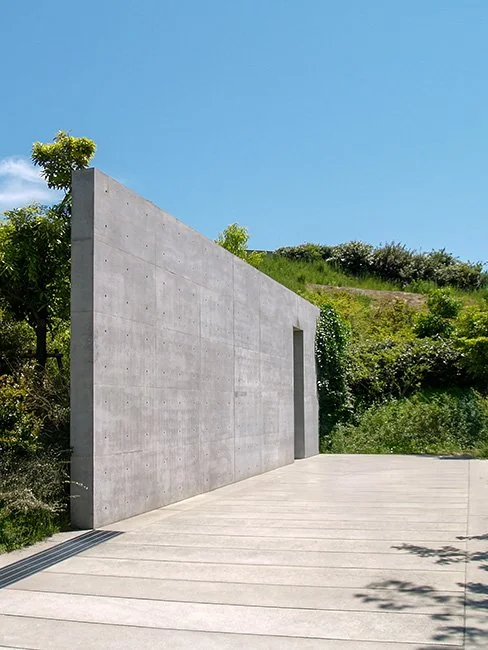
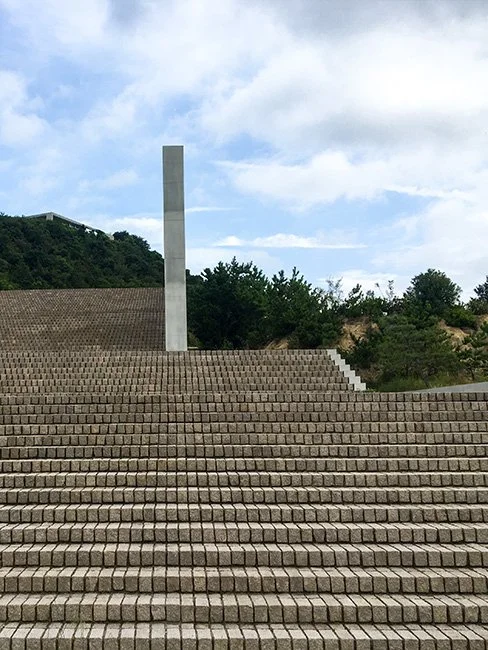
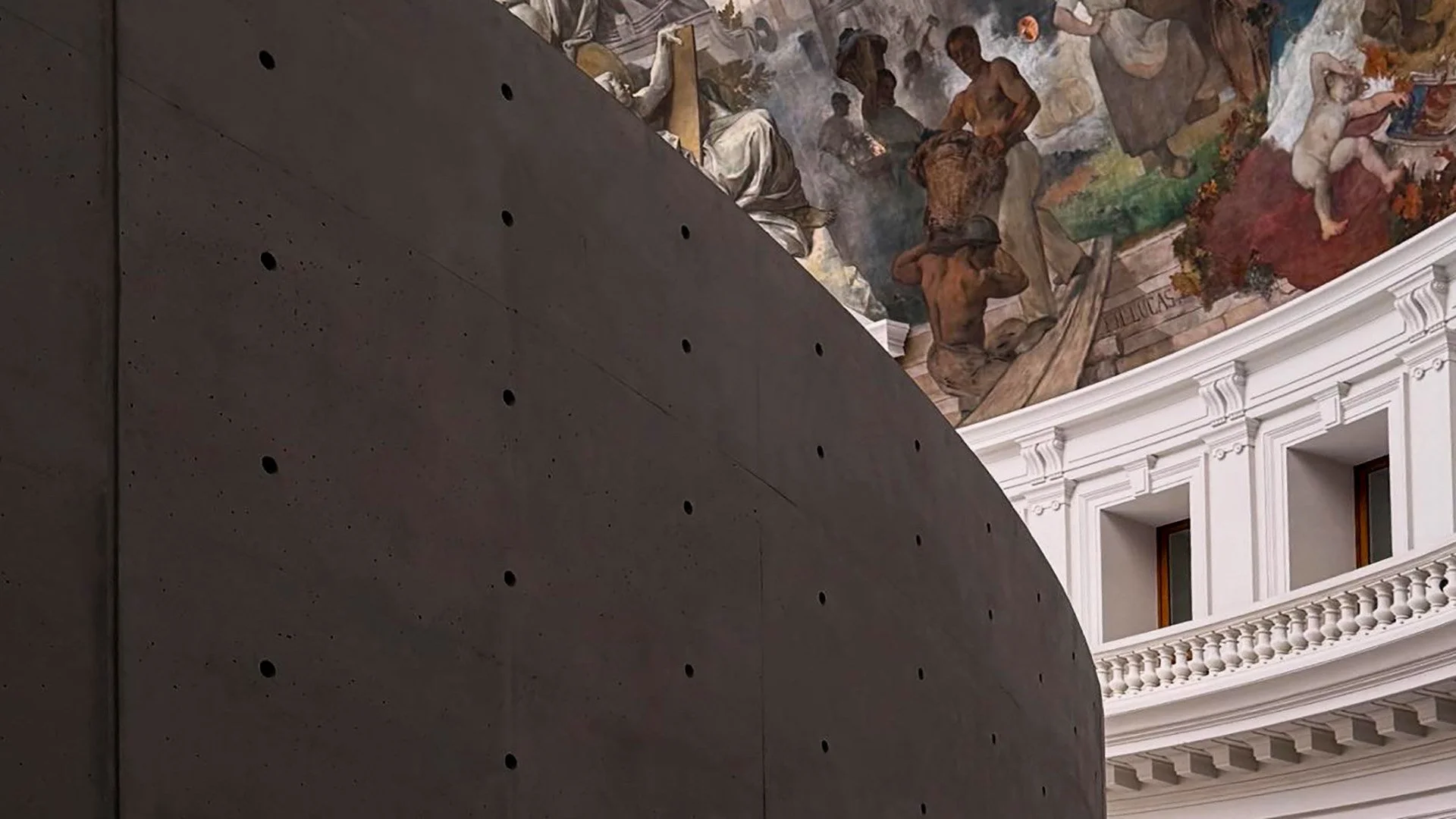
Tadao Ando is a Japanese architect known for a self-taught path that strongly shaped his design philosophy. Born in Osaka in 1941, he began his career outside formal architectural education, learning instead through travel, observation, and independent study. His work is widely recognized for its use of smooth exposed concrete, precise geometry, and carefully controlled natural light. Ando often designs buildings that encourage quiet reflection, using simple forms to create powerful spatial experiences. Nature plays a central role in his architecture, with elements such as water, sky, and landscape deliberately framed and integrated into his structures. Over decades of practice, he has completed influential projects worldwide, including museums, churches, and cultural institutions. His contributions to architecture were internationally acknowledged when he received the Pritzker Architecture Prize in 1995.
ABOUT THE ARCHITECT
PROJECTS:
ADDRESS:
Japan, 〒761-3110 Kagawa, Kagawa District, Naoshima, 本村736−2
ACCESS:
General: ¥700 | Under 15: FREE
HOURS:
Typically open daily (confirm on site) 10am-1pm and 2pm-4:30pm
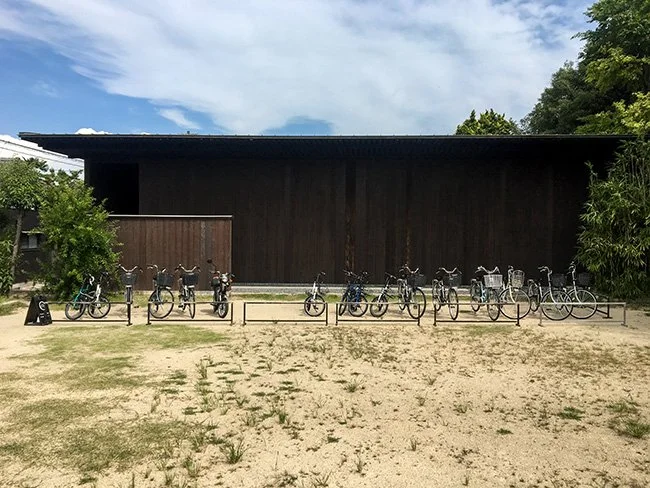
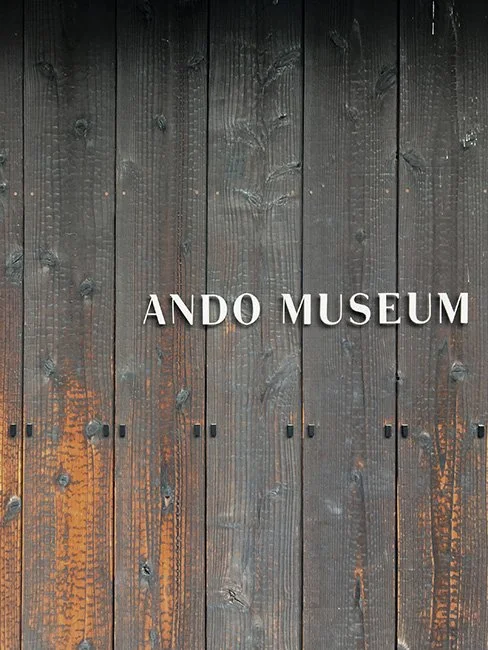
The Ando Museum in Naoshima is a small but significant architectural work by Tadao Ando that reflects both his design philosophy and his long involvement with the island. Opened in 2003, the museum was created by transforming a traditional wooden house into a concrete structure while preserving its original form. From the outside, it maintains the scale and character of local dwellings, blending quietly into the village setting. Inside, exposed concrete walls and controlled lighting introduce a contemporary atmosphere that contrasts with the historic shell. The museum focuses on Ando’s architectural ideas and his projects on Naoshima, using drawings, models, and photographs. Rather than functioning as a conventional art museum, it serves as a reflective space that connects architecture, history, and place.
DESCRIPTION:
his is a small but beautifully detailed museum. The building itself is a work of art, and a must visit for any those interested in contemporary architecture.
NOTES:
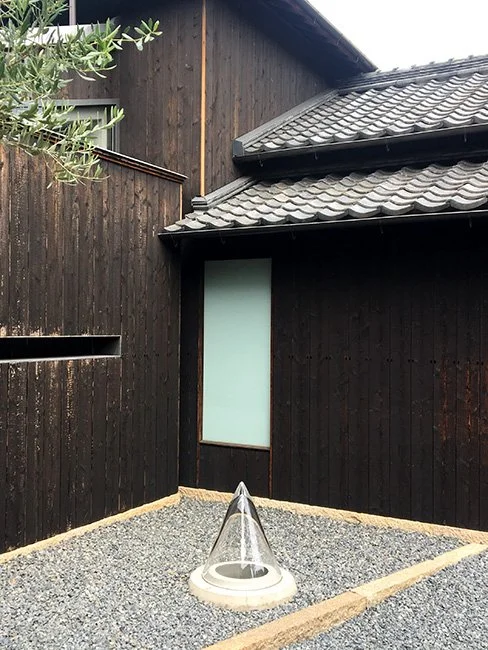
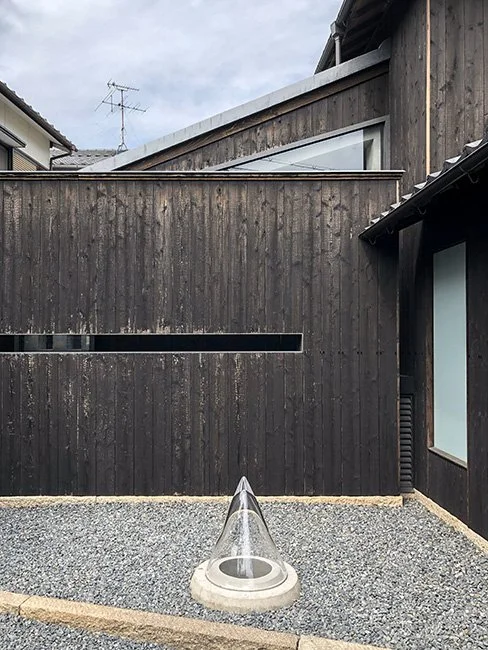
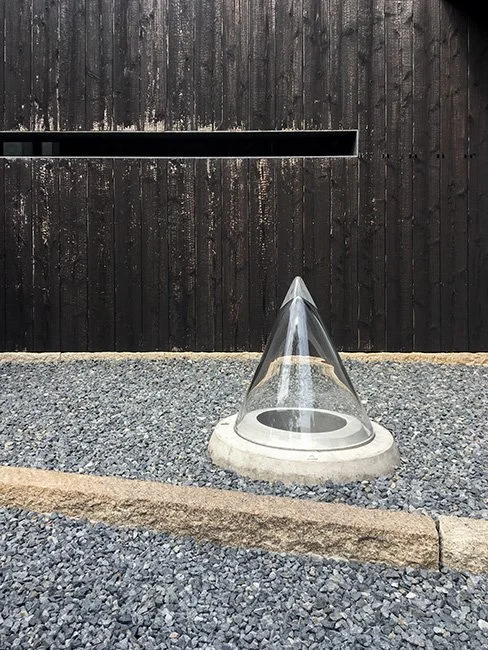
ADDRESS:
4-chōme-3-50 Kitakasugaoka, Ibaraki, Osaka 567-0048, Japan
ACCESS:
Currently access to the interior of the church is currently not permitted to non parishioners. Check the website before visiting to see if tours have resumed.
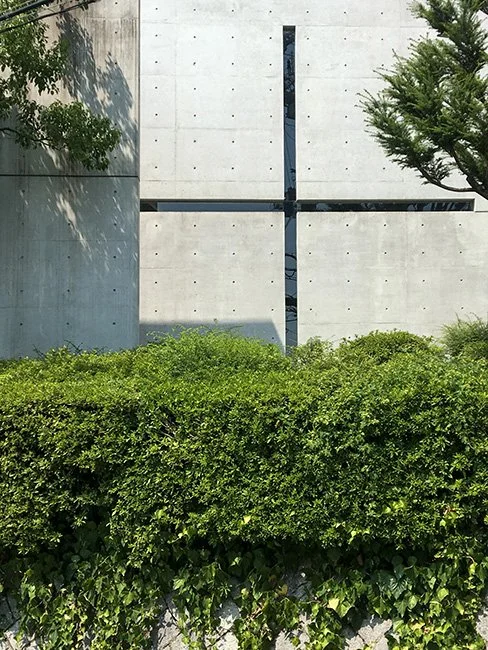
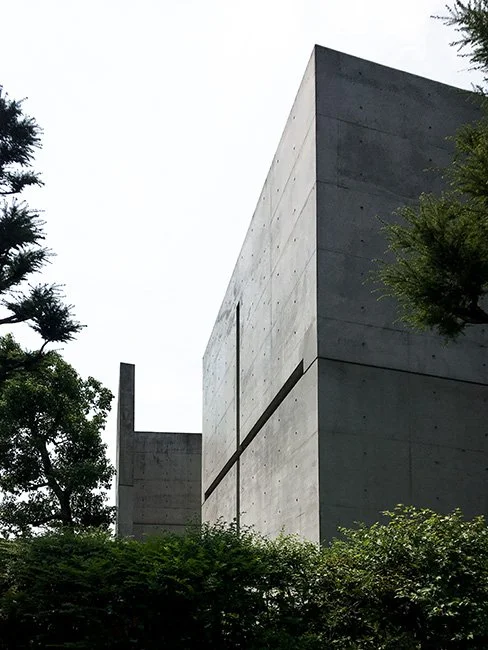
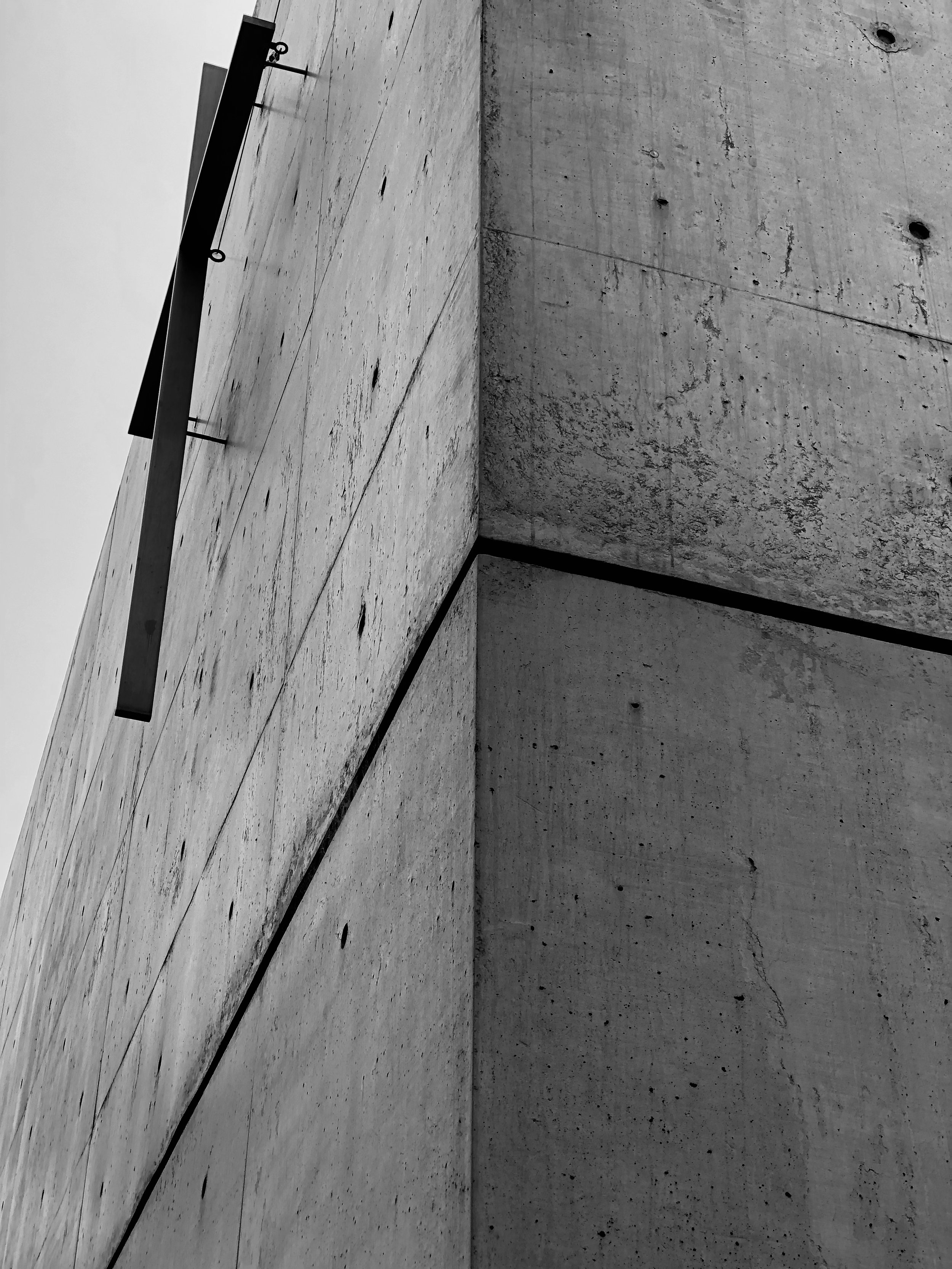
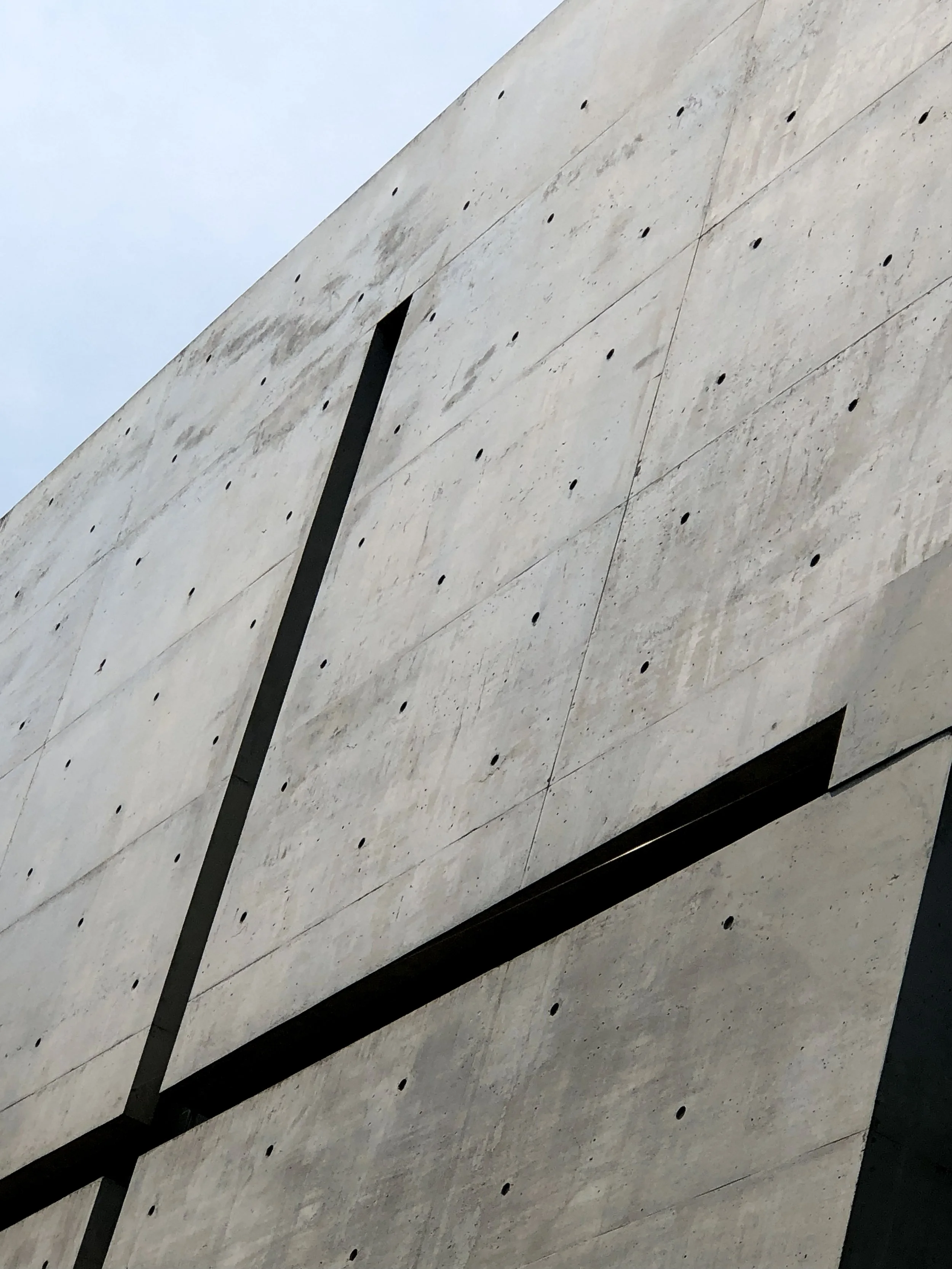
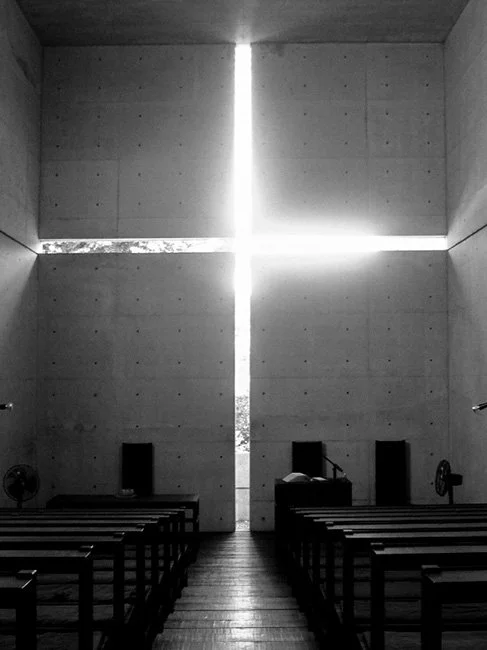
Tadao Ando’s Church of the Light in Ibaraki, Japan, completed in 1989, is a defining work of modern sacred architecture. The building is a modest, rectangular box of smooth, cast-in-place concrete, reflecting Ando’s commitment to simplicity and material honesty. Its most striking feature is a cross cut directly through the concrete wall behind the altar, allowing sunlight to enter and animate the space. This intentional play of light and shadow transforms the interior throughout the day, making illumination itself a central spiritual and architectural element. The church’s plan is minimal and introspective, encouraging quiet contemplation. Exposed concrete surfaces, restrained detailing, and the tension between solid mass and luminous void characterize Ando’s approach here. The design is widely studied for how it uses elemental forces—light, form, and material—to create a powerful sense of presence and serenity.
DESCRIPTION:
NOTES:
his is a small but beautifully detailed museum. The building itself is a work of art, and a must visit for any those interested in contemporary architecture.
IMAGE CREDIT:
(1-2) Wrot (3-4) Joanna Barrios (5) Bergmann -ja (Edited)
ADDRESS:
Shimogamo Hangicho, Sakyo Ward, Kyoto, 606-0823, Japan
ACCESS:
General: ¥200 | Students: ¥100 | 15 and under: FREE
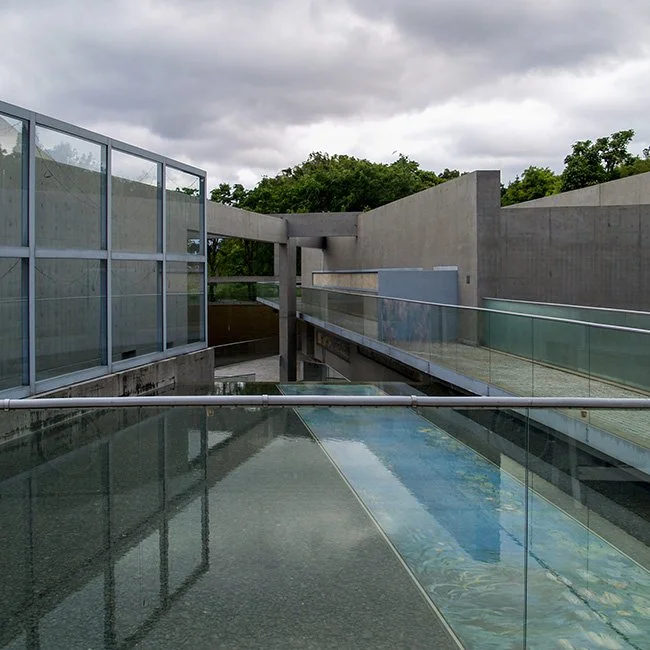
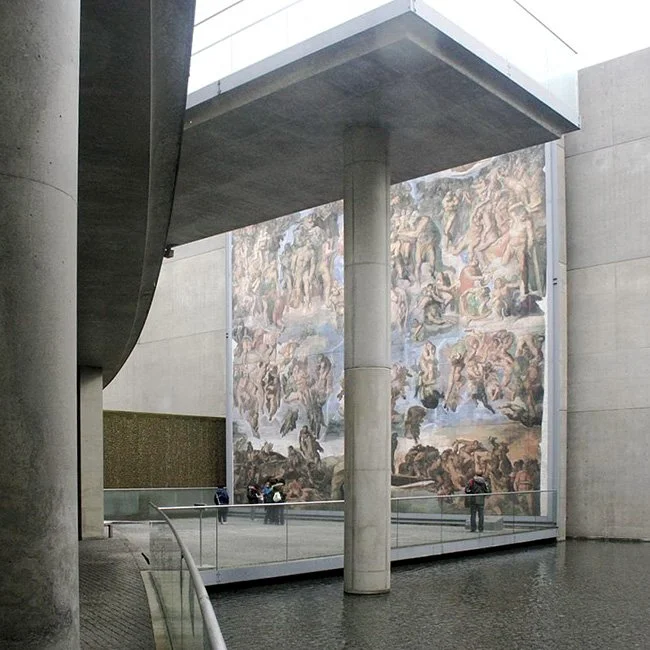
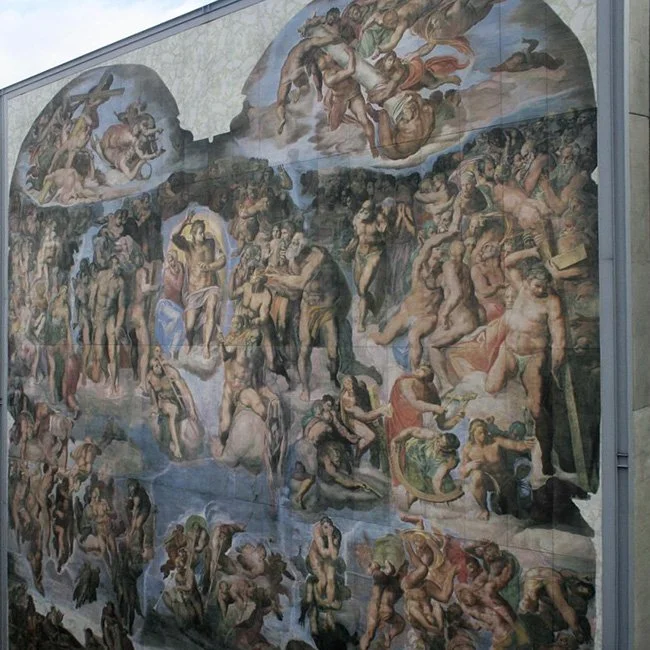
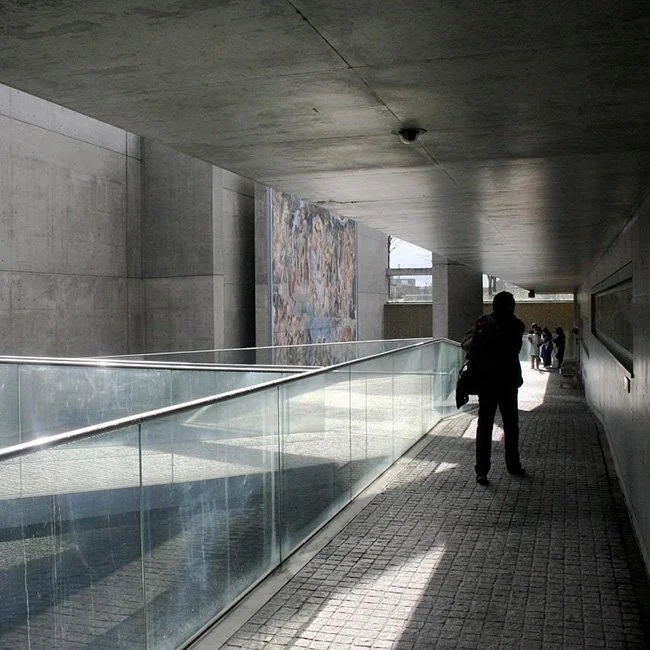
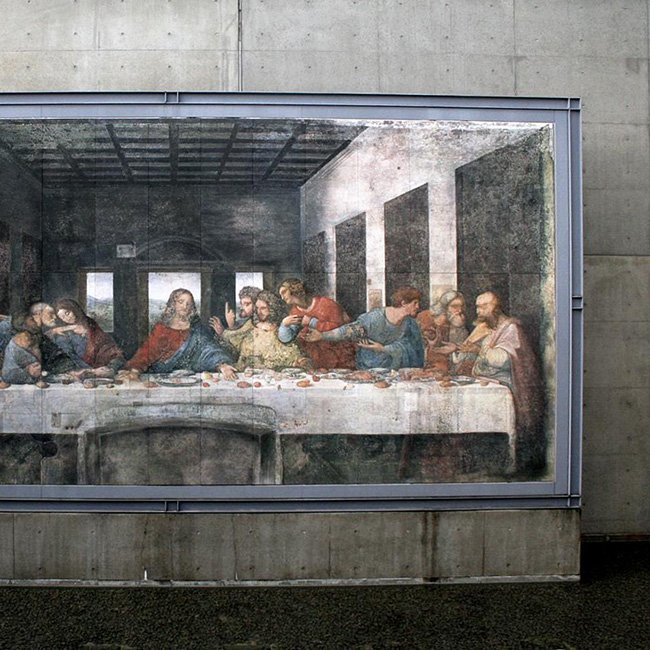
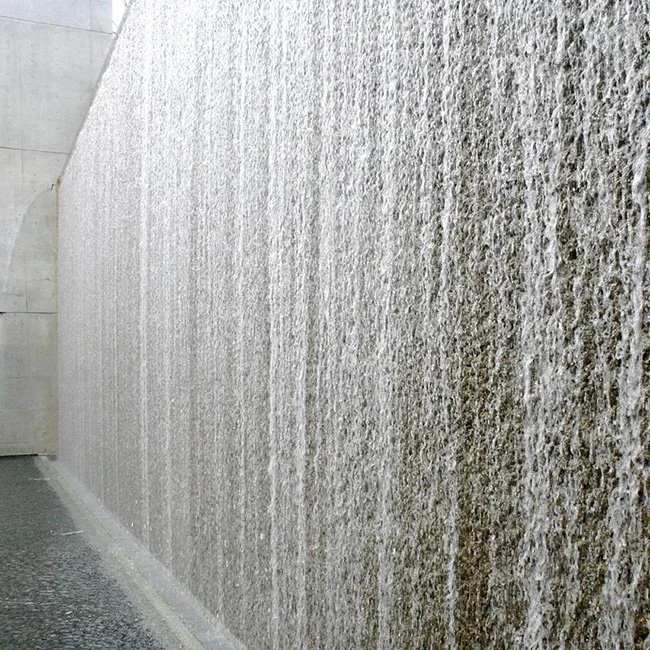
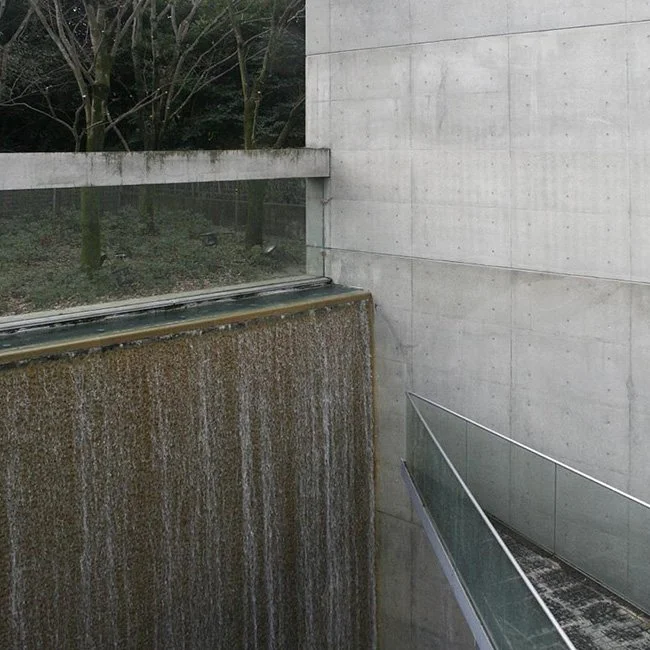
The Garden of Fine Arts in Kyoto is an open-air museum designed by architect Tadao Ando and completed in 1994. Built almost entirely from smooth concrete, the site is organized as a sequence of terraces, bridges, and ramps that guide visitors downward through layered spaces. Instead of housing original works, the garden displays large-scale ceramic reproductions of famous Western paintings, including pieces by Monet, Michelangelo, and Leonardo da Vinci. Water channels and thin waterfalls cut through the structure, creating reflections and soft sound that contrast with the sharp geometry of the walls. Natural light is central to the experience, shifting across surfaces throughout the day. Located beside the Kyoto Botanical Gardens, the project blends modern architecture with seasonal scenery.
HOURS:
Daily from 9am - 5pm
DESCRIPTION:
The artwork on displace are recreations of mostly classical and a few early modern works. The museum is more about the architecture and it’s integration of the artwork than it is the artwork itself.
NOTES:
IMAGE CREDIT:
FEATURED LOCATION: