
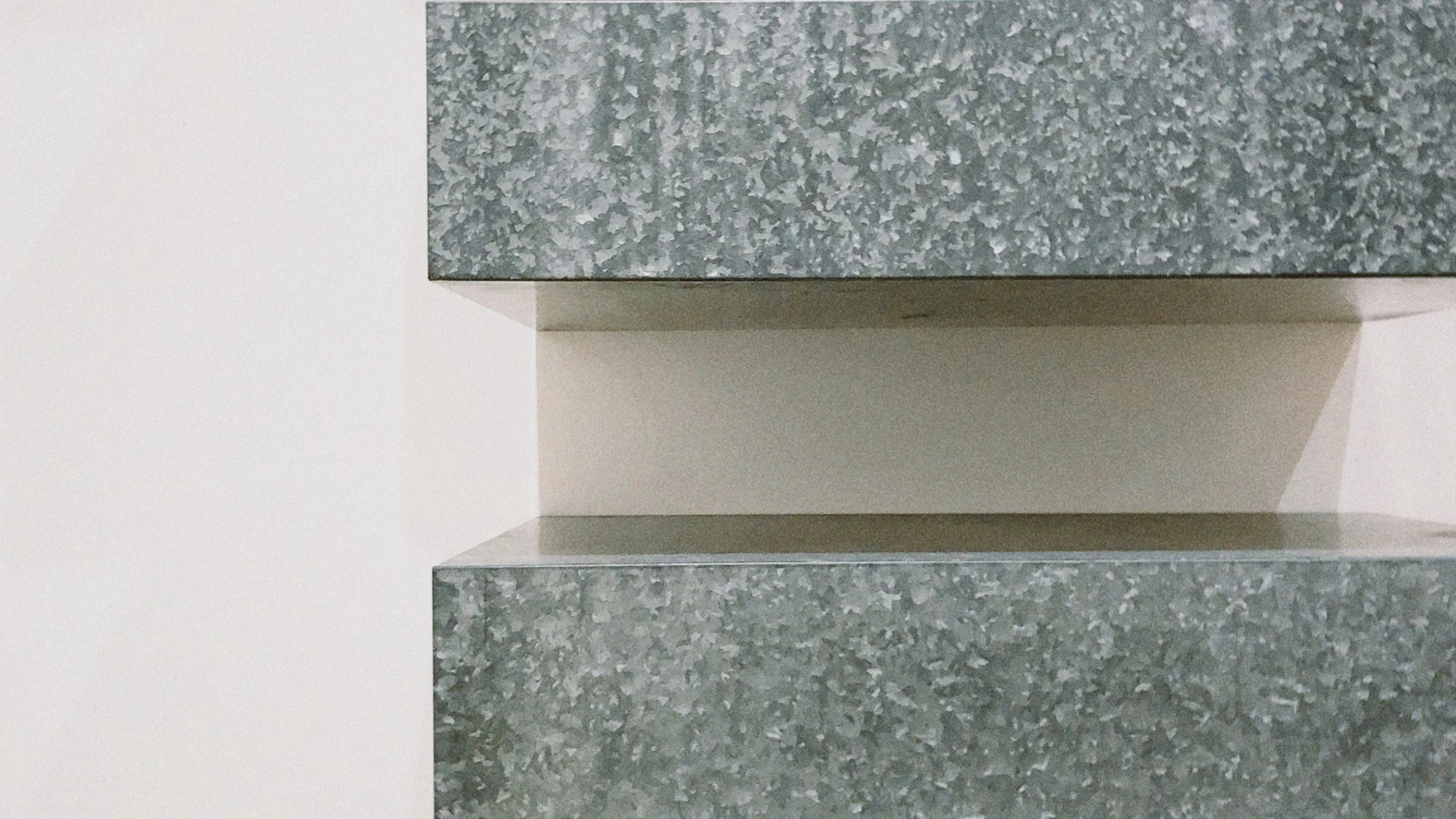
Donald Judd
ABOUT THE ARITST
Donald Judd was an American artist born in 1928 who became a leading figure in Minimalism. He began his career as a painter and art critic before turning to three-dimensional work in the early 1960s. Judd is known for creating simple, repeated forms made from industrial materials such as metal, plywood, and concrete. His works often feature clean lines, precise proportions, and open spaces, avoiding symbolism or emotional narrative. Judd believed that art should exist as a physical object in real space rather than represent something else. He frequently worked with fabricators to achieve exact finishes and construction. Later in his life, he focused on permanent installations and architectural-scale works, especially in Marfa, Texas. Judd’s approach changed how artists and audiences think about space, material, and the relationship between art and its environment.
PROJECTS:
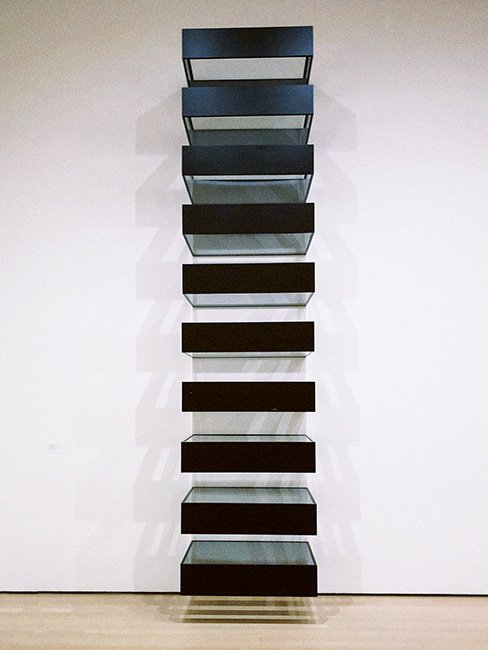
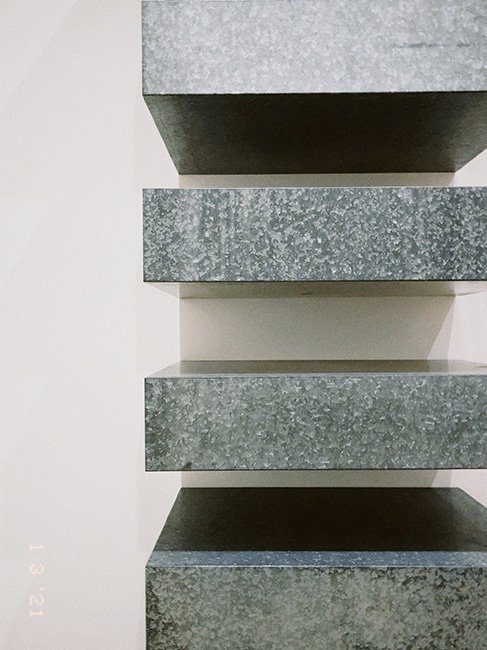
COLLECTION | MOMA
New York City, NY - United States
MoMA has numerous works by Donald Judd in their permanent collection. They do rotate which ones are on display occasionally.
UNTITLED | THE GLASS HOUSE
New Canaan, CT - United States
Judd’s first work in concrete is located at the Glass House by Philip Johnson. Constructed in 1971, it is one of the only permanent work not created by Johnson on the grounds.
The Judd foundation preserves both the works and important sites such as the homes and studios of the artist. Judd’s SoHo studio can be toured by booking through the site.
New York City, NY - United States