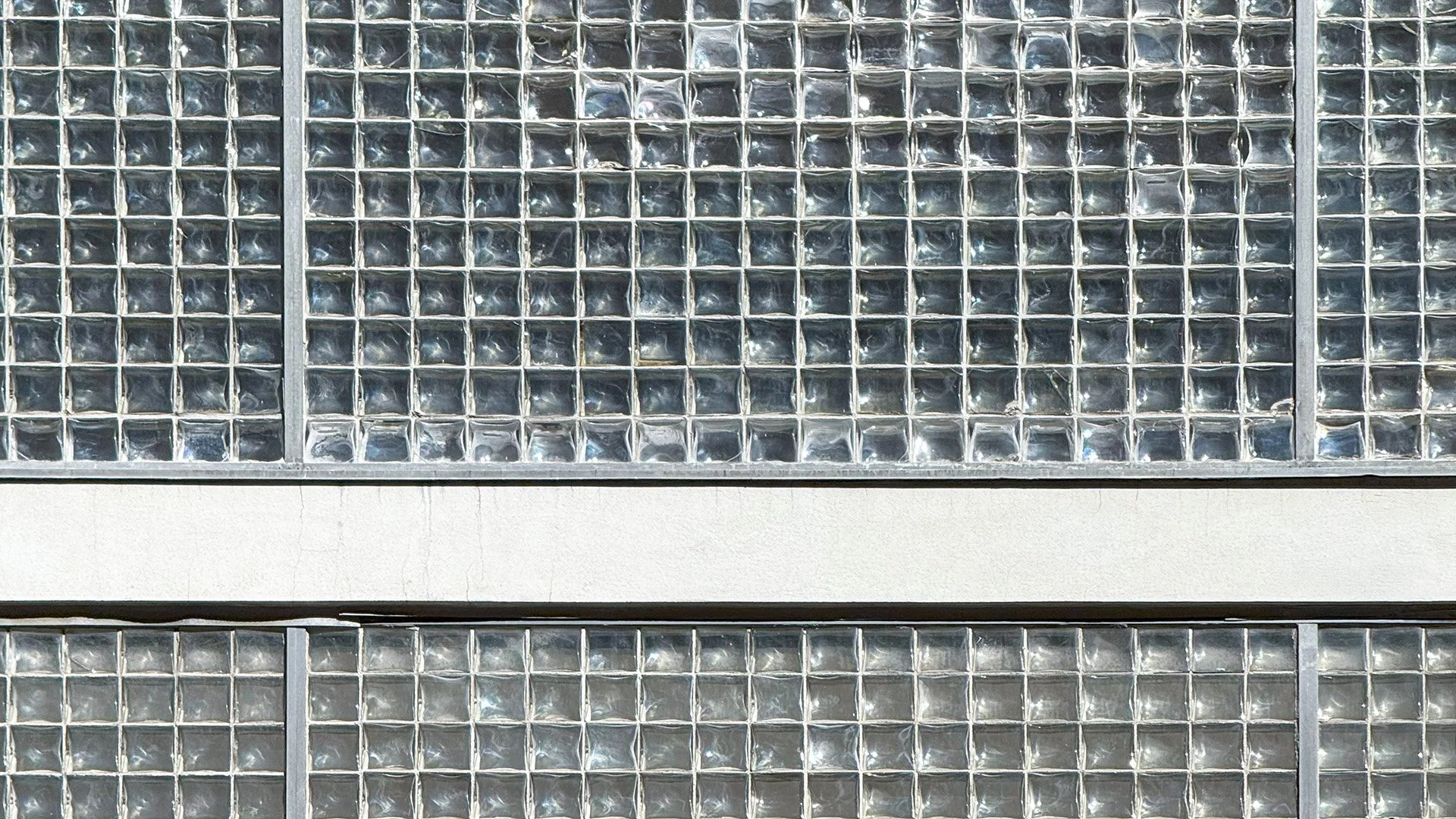
William Lescaze
ABOUT THE ARCHITECT
William Lescaze was a Swiss-born architect who became a key figure in introducing modernist design to the United States. Trained in Europe and influenced by the principles of the International Style, he settled in New York in the 1920s, where his work helped redefine the American urban landscape. Lescaze championed functionality, clarity of form, and the use of new materials such as glass block, steel, and reinforced concrete. His designs often integrated art, light, and structure into a unified whole. Among his most notable works are the Philadelphia Savings Fund Society (PSFS) Building, considered one of the first modern skyscrapers, and his own townhouse, one of New York’s earliest modernist residences. Through his architectural and planning projects, Lescaze advanced a vision of design rooted in efficiency, social progress, and a distinctly modern aesthetic suited to twentieth-century life.
PROJECTS:
LESCAZE HOUSE
New York City, NY - United States
ADDRESS:
211 E 48th St #39, New York, NY 10017
ACCESS:
This is a private residence and access is not permitted.
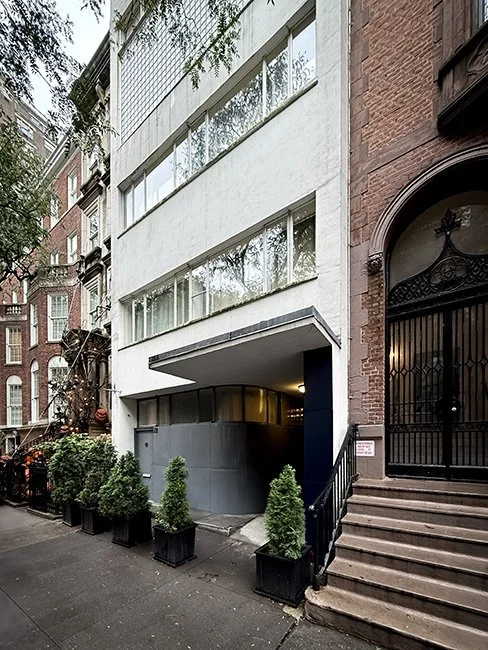
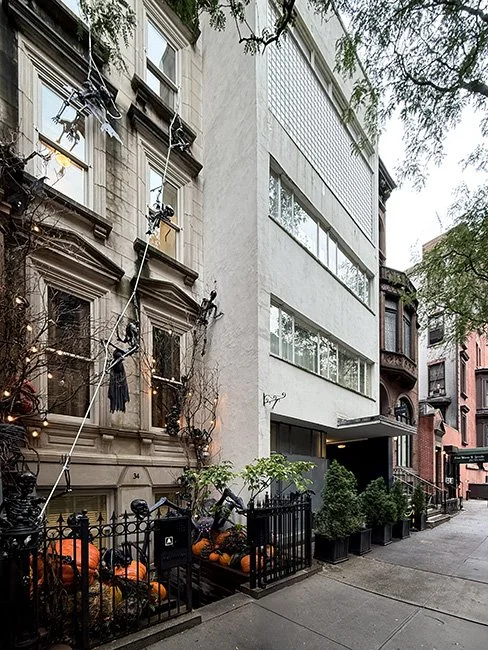
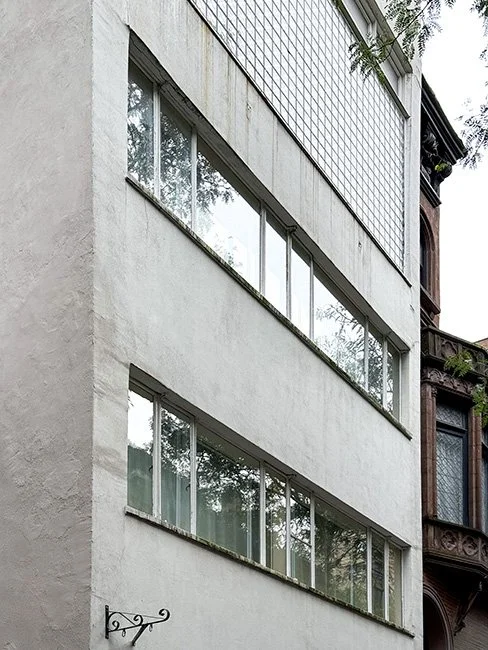
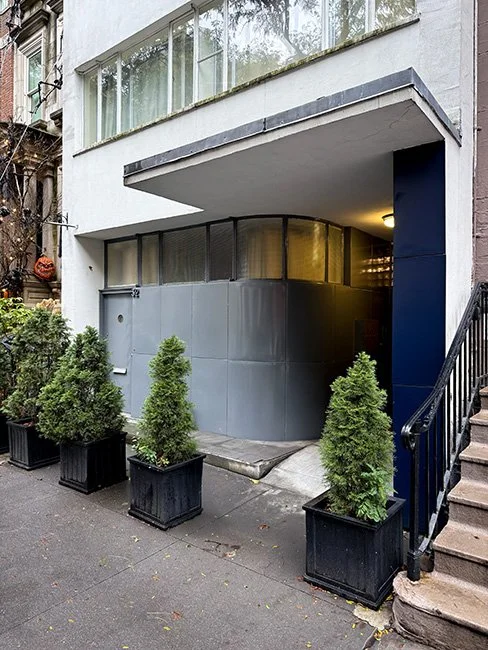
The William Lescaze House, completed in 1934 in Manhattan, stands as a pioneering example of modernist residential architecture in the United States. Designed by Swiss-born architect William Lescaze as both his home and studio, the building introduced many elements of the European International Style to American architecture. Its clean, rectilinear form, flat roof, and smooth white facade contrast sharply with the surrounding traditional brownstones. Notably, the house features horizontal ribbon windows and glass block walls, allowing for ample natural light while maintaining privacy. The use of industrial materials such as glass and steel emphasizes functionality and modernity. Inside, the layout is efficient and open, reflecting modernist ideals of simplicity and integration of form and function. The house broke away from ornamental design trends of its time, setting a precedent for modern urban living. It remains an important landmark in architectural history for its forward-thinking design and influence on mid-century modernism.
DESCRIPTION:
NOTES:
You should also visit 32 East 74th St, and 124 E 70th St, both by Lescaze as well.


32 EAST 74TH ST
New York City, NY - United States
ADDRESS:
32 E 74th St, New York, NY 10021
ACCESS:
This is a private residence and access is not permitted.
32 East 74th Street, designed by William Lescaze in the 1930s, stands as one of New York City’s earliest examples of modernist residential architecture. Set among traditional brownstones on the Upper East Side, the building breaks from its surroundings with a stark, geometric façade composed of white stucco, horizontal bands, and glass blocks. These elements emphasize light, simplicity, and functionality—core principles of the International Style. The use of glass blocks allows natural illumination while preserving privacy, reflecting Lescaze’s interest in merging aesthetics with practical living needs. Inside, open floor plans and built-in furnishings further express efficiency and modern comfort. The townhouse’s restrained design and industrial materials marked a radical shift from the ornamented architecture of its time. Today, 32 East 74th Street remains an important architectural landmark, illustrating how modernism first entered New York’s domestic landscape through experimentation and bold contrast.
DESCRIPTION:
NOTES:
You should also visit the Lescaze House at 211 E 48th St, and 124 E 70th St, both by Lescaze as well.
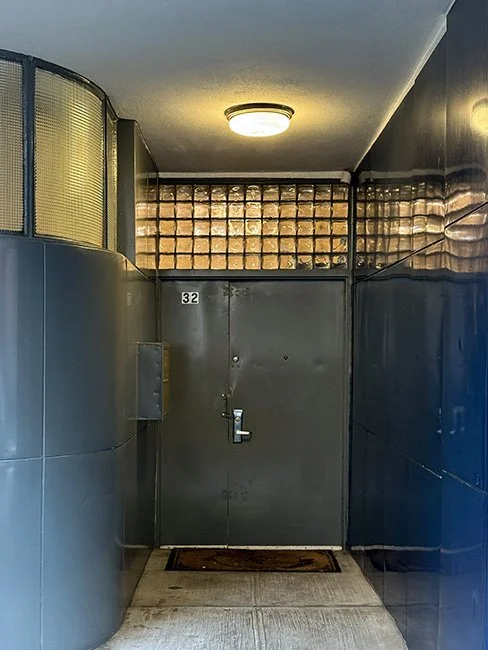
124 EAST 70TH ST
New York City, NY - United States
ADDRESS:
124 E 70th St, New York, NY 10021
ACCESS:
This is a private residence and access is not permitted.
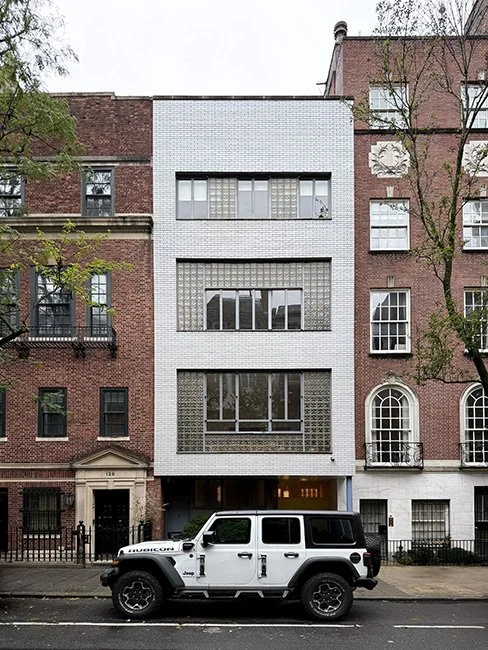
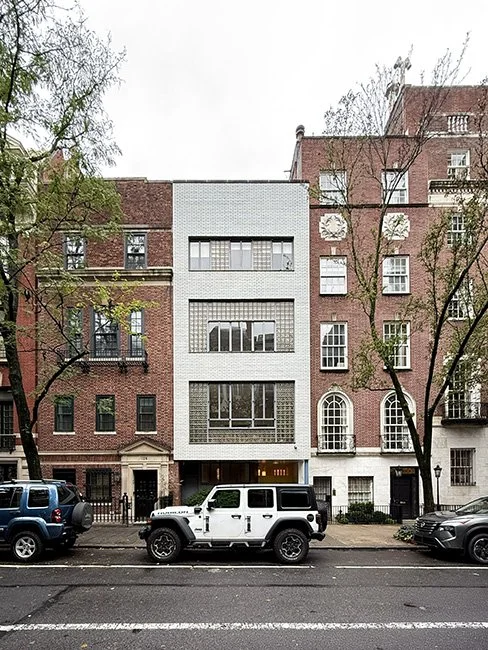
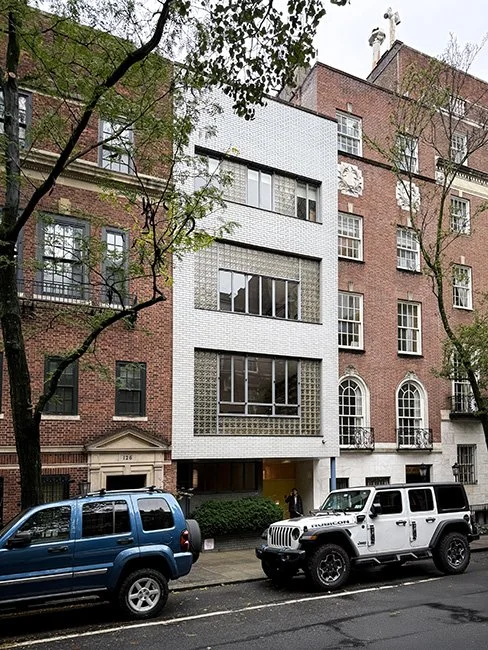
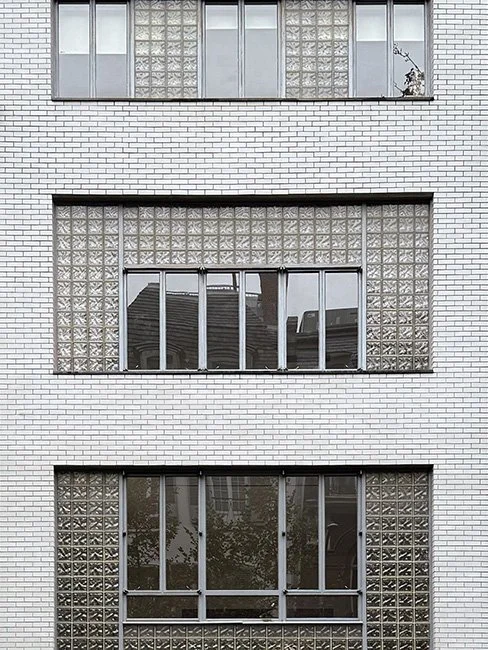
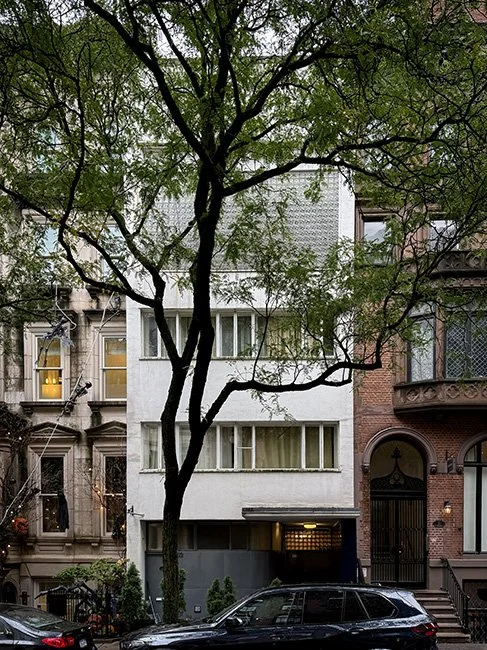
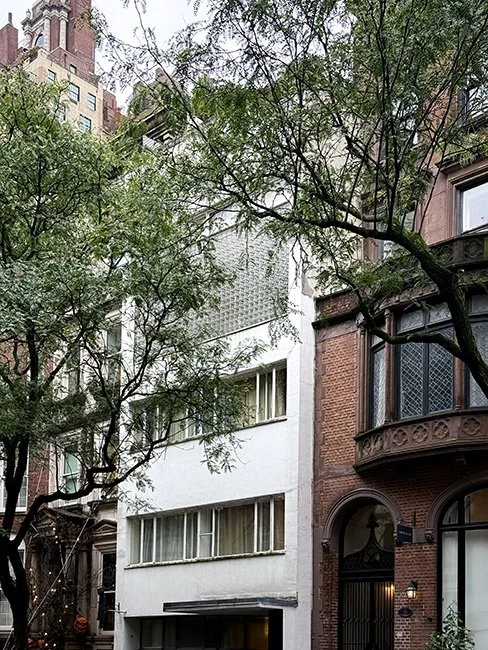
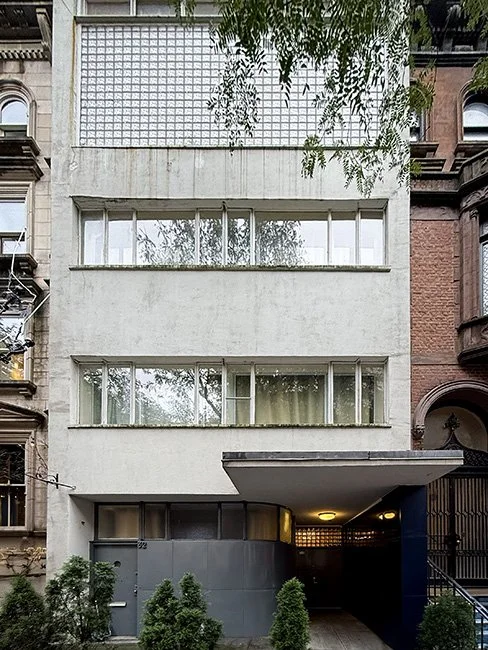
124 East 70th Street, designed by William Lescaze in the late 1930s, is a striking example of how modernist architecture could coexist within New York’s traditional townhouse setting. The building replaces the ornament and symmetry typical of its Upper East Side neighbors with a minimalist composition of smooth surfaces, horizontal lines, and precise geometric balance. Lescaze used materials such as stucco and glass block to create a façade that emphasizes light and spatial clarity while maintaining privacy. Inside, open floor plans, built-in furnishings, and an efficient layout reflect his belief that architecture should serve daily life through functional beauty. The design demonstrates Lescaze’s commitment to modernism’s social and aesthetic ideals, bringing European principles of the International Style into a distinctly urban American context. Today, 124 East 70th Street remains a defining example of early modern residential innovation in Manhattan.
DESCRIPTION:
You should also visit the Lescaze House at 211 E 48th St, and 32 E 74th St by Lescaze as well.
NOTES: