Toyo Ito
Toyo Ito is a Japanese architect recognized for experimental designs that explore lightness, transparency, and the relationship between architecture and the contemporary city. Born in Seoul in 1941 and raised in Japan, he studied architecture at the University of Tokyo before establishing his own practice in the early 1970s. His work often challenges conventional building forms by using innovative structures and materials to create fluid, adaptable spaces. Ito has designed a wide range of projects, from private houses and libraries to large cultural and civic buildings. Many of his designs emphasize openness and natural light, reflecting his interest in how people move and interact within space. His international influence was acknowledged in 2013 when he received the Pritzker Architecture Prize for his contributions to global architecture.
ABOUT THE ARCHITECT
PROJECTS:
ADDRESS:
2-chōme-1723 Yarimizu, Hachioji, Tokyo 192-0375, Japan
ACCESS:
FREE, portions of the library are accessible to the public. Some areas require a reservation or advanced planning to access.
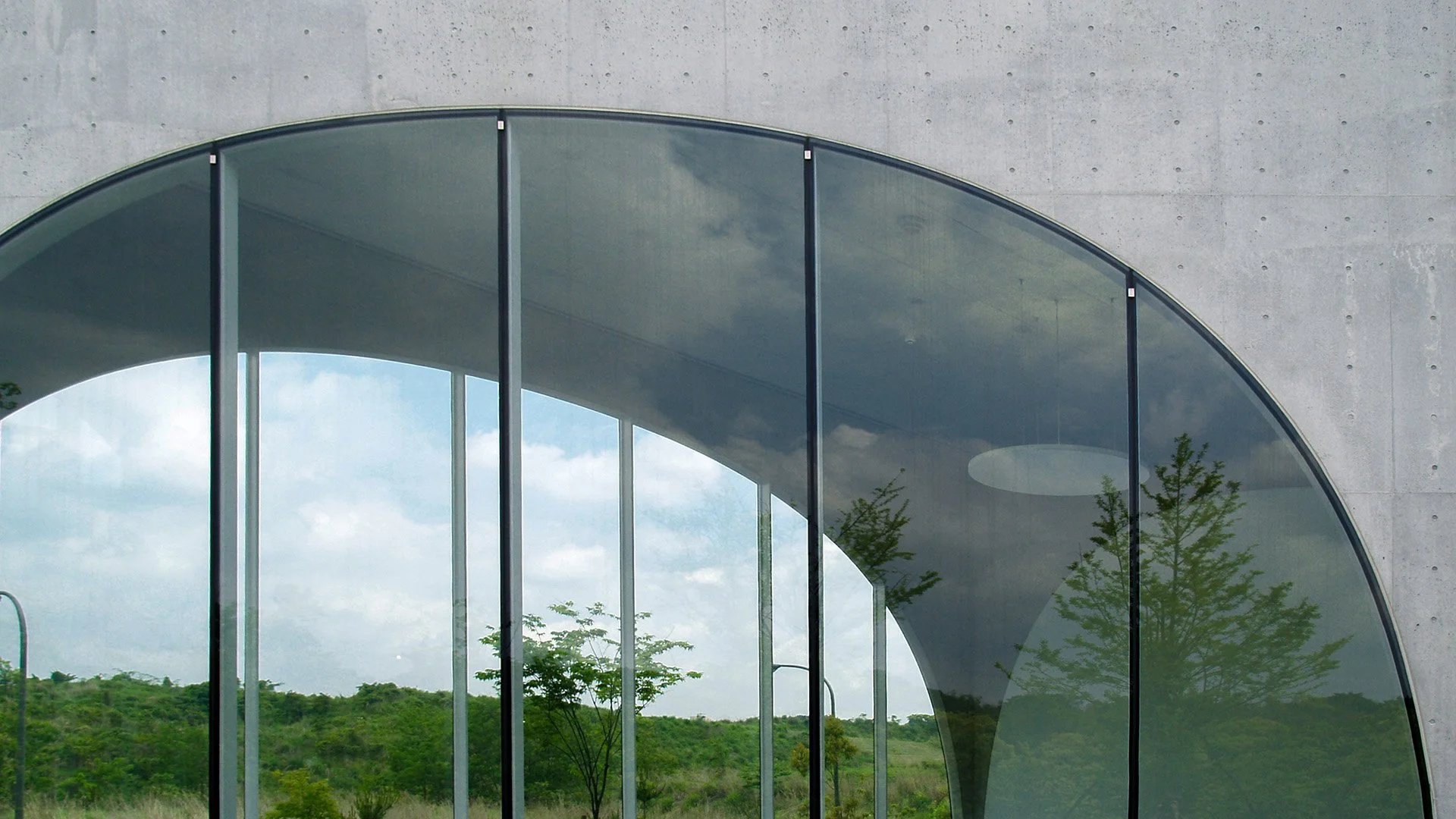
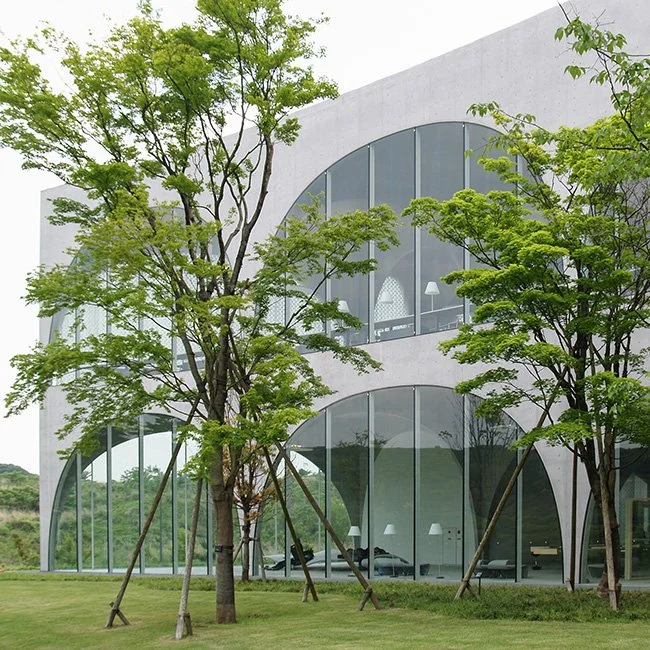
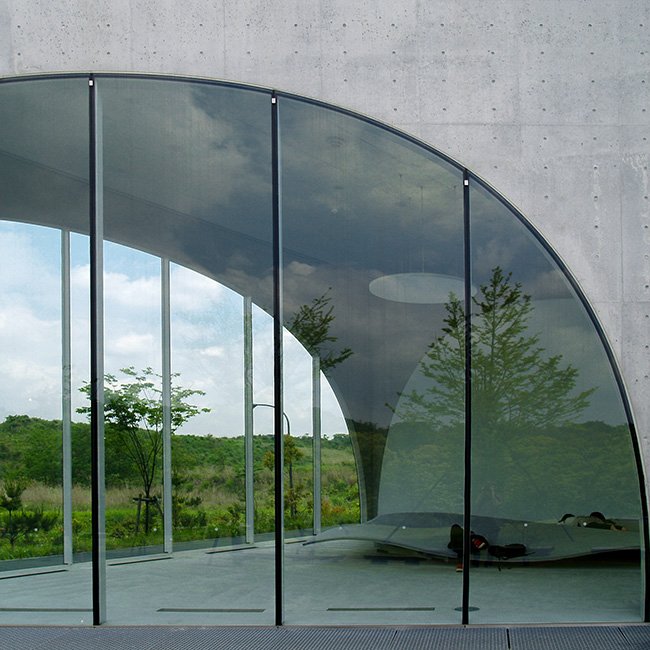
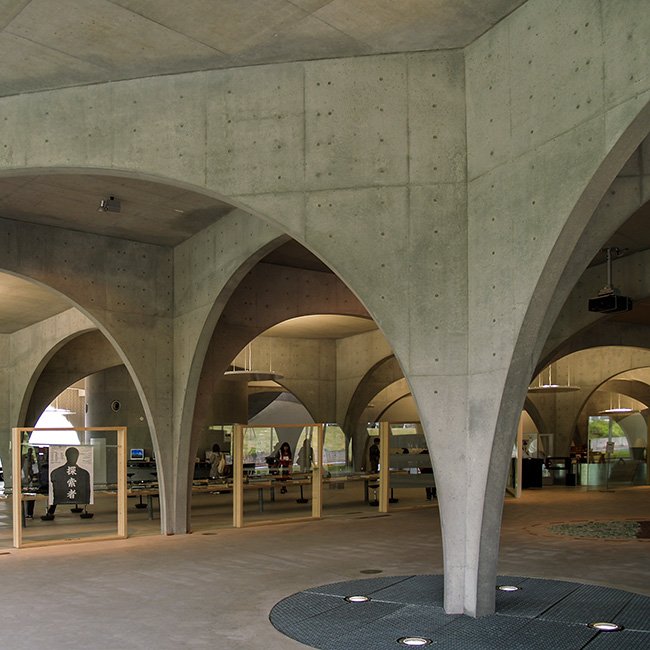
The Tama Art University Library in Tokyo is a distinctive academic building designed by architect Toyo Ito and completed in 2007. The structure is defined by a series of intersecting concrete arches that create a fluid, open interior rather than rigid rooms. These arches vary in size and span, supporting the building while shaping circulation and sightlines. Instead of traditional enclosed stacks, books and study areas are arranged within a continuous, flowing space that encourages movement and visual connection. Large glass walls line the exterior, allowing daylight to penetrate deep into the library and reducing the sense of separation between inside and outside. The combination of exposed concrete and transparency gives the building a light, almost porous character. Ito’s design reimagines the library as a social and spatial experience rather than a silent, compartmentalized institution.
DESCRIPTION:
While the form may seem simple at first glance, the complexity of managing all of the subtly curved surfaces is an impressive accomplishment. This is much more evident in person.
NOTES:
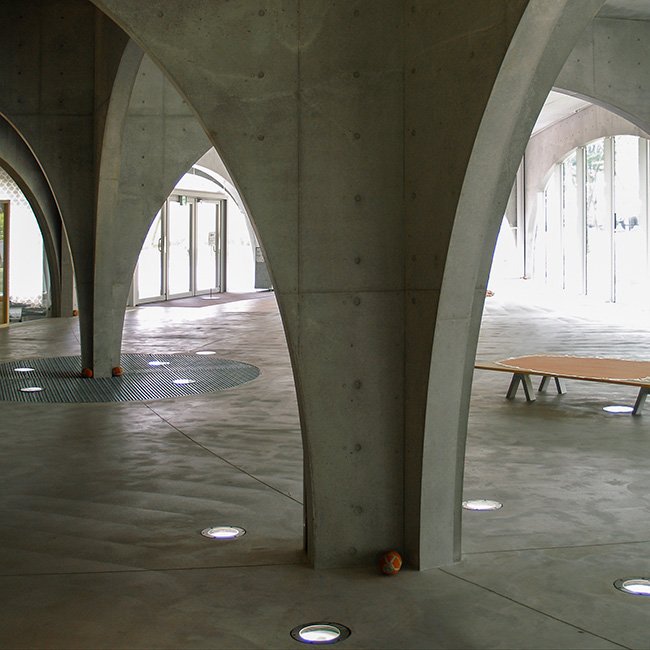
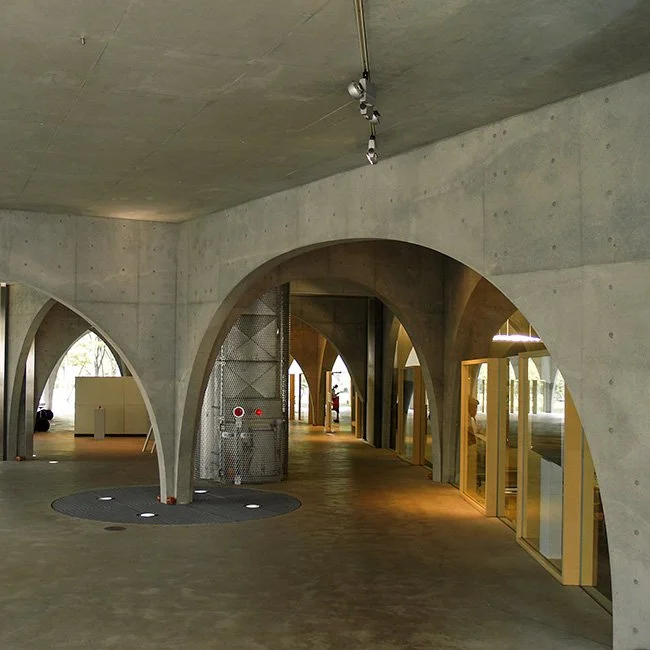
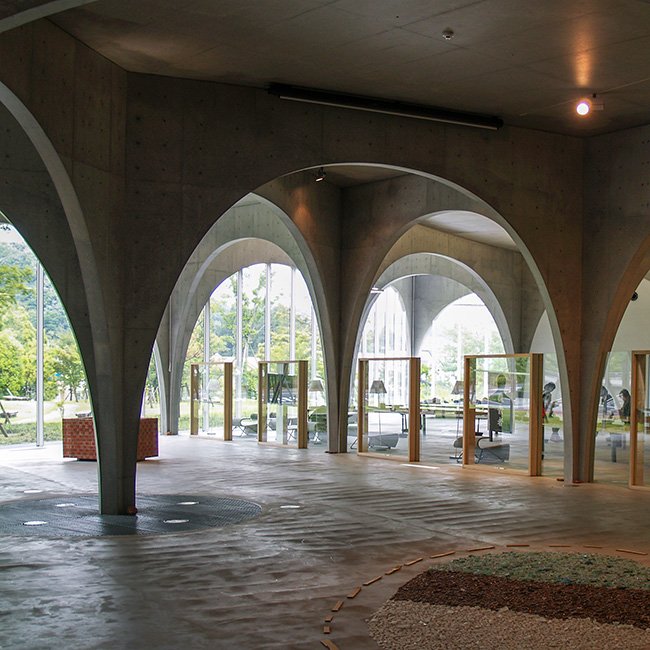
ADDRESS:
1-chōme-5-8 Jingūmae, Shibuya, Tokyo 150-0001, Japan
ACCESS:
FREE, as a retail building access is permitted to the public.
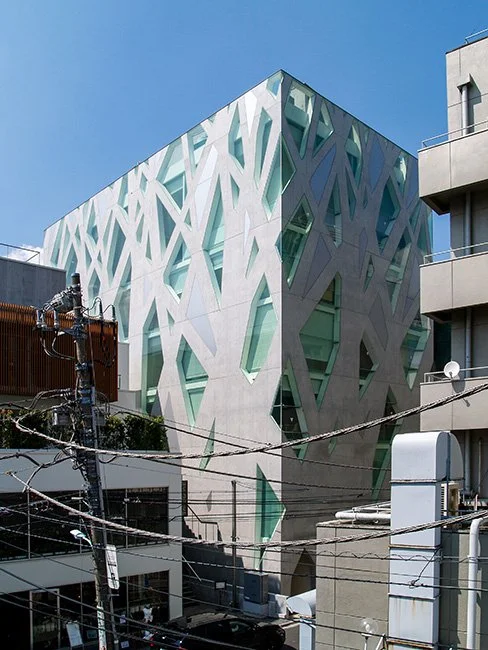
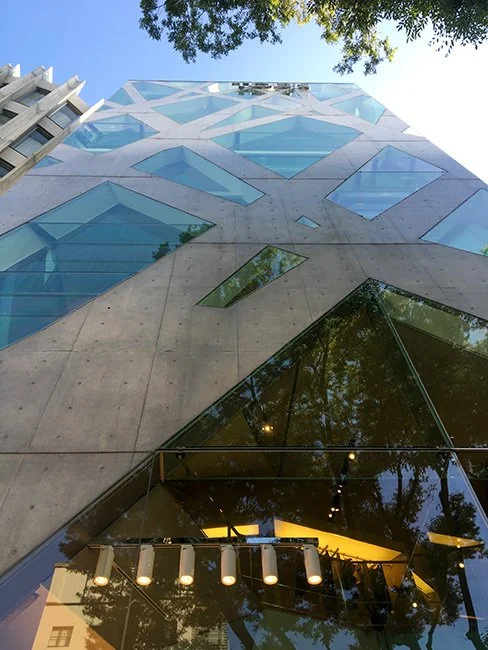
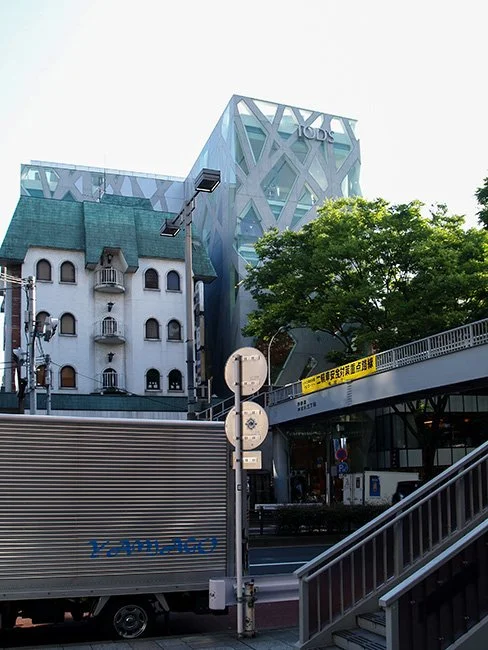
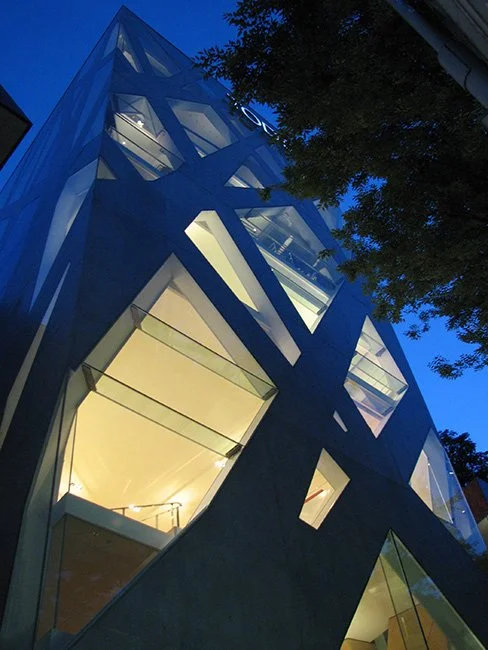
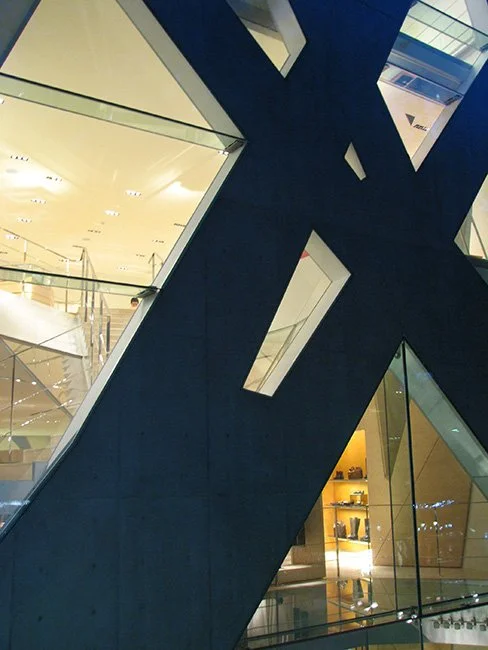
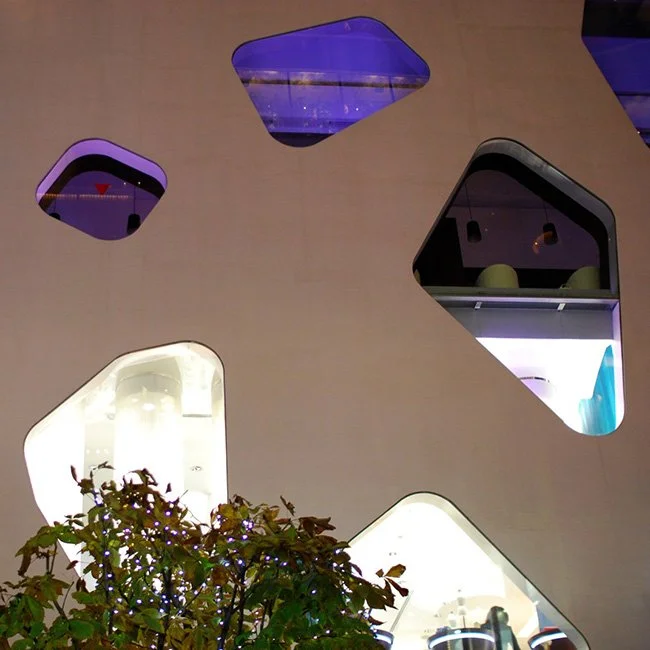
Tod’s Omotesando is a flagship retail building in Tokyo designed by Toyo Ito and completed in 2004. The architecture responds directly to the tree-lined Omotesando Avenue, translating the rhythm of branches into a bold structural concept. The building’s concrete and glass façade is formed by an irregular lattice that resembles overlapping tree limbs, which functions both as structure and enclosure. This external frame eliminates the need for interior columns, allowing flexible retail spaces inside. Glass panels fill the spaces between the concrete lines, bringing daylight into the interior while maintaining a strong visual connection to the street. The building rises several stories with a compact footprint, expressing verticality without overwhelming its surroundings. Ito’s design merges nature, structure, and commerce, making the façade a defining architectural identity rather than a decorative surface.
DESCRIPTION:
This is one of Toyo Ito's most noteworthy buildings in Tokyo. The effects of the design are most compelling at night.
NOTES:
IMAGE CREDITS:
Image: (1-3) WROT (4-5) Nikola Simic
ADDRESS:
V88 Building, 2-chōme-5-11 Ginza, Chuo City, Tokyo 104-0061, Japan
ACCESS:
FREE, as a retail building access is permitted to the public.
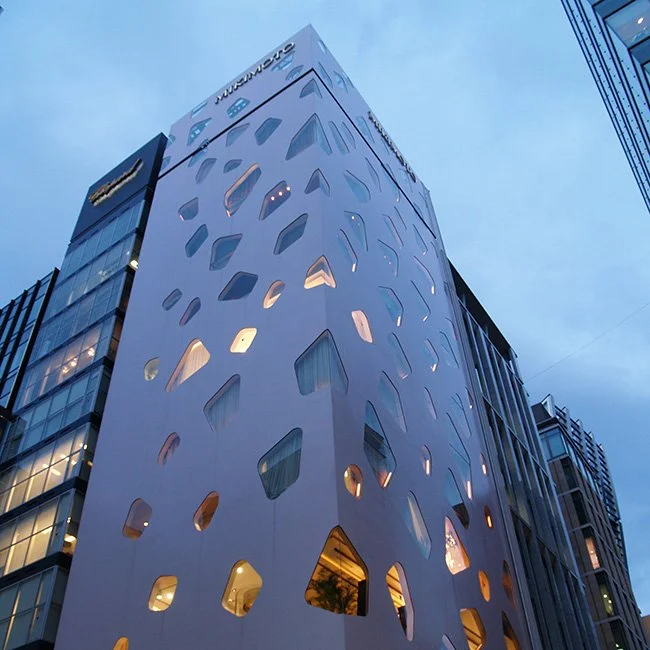
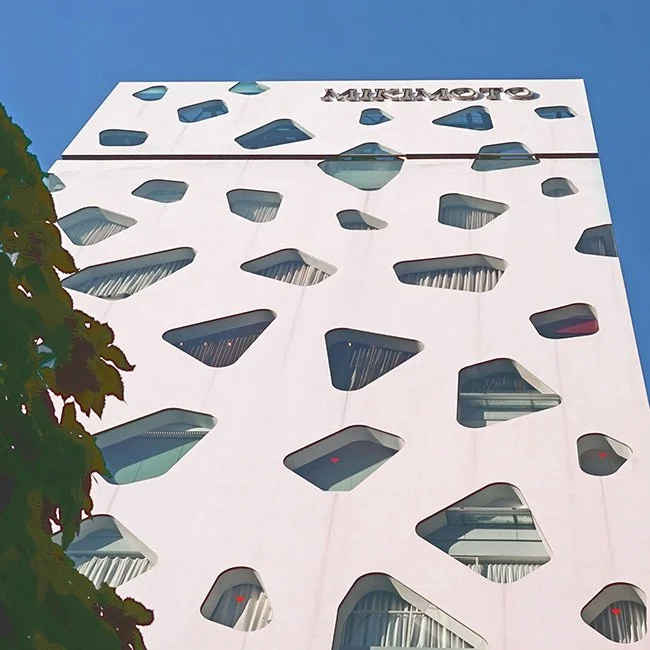
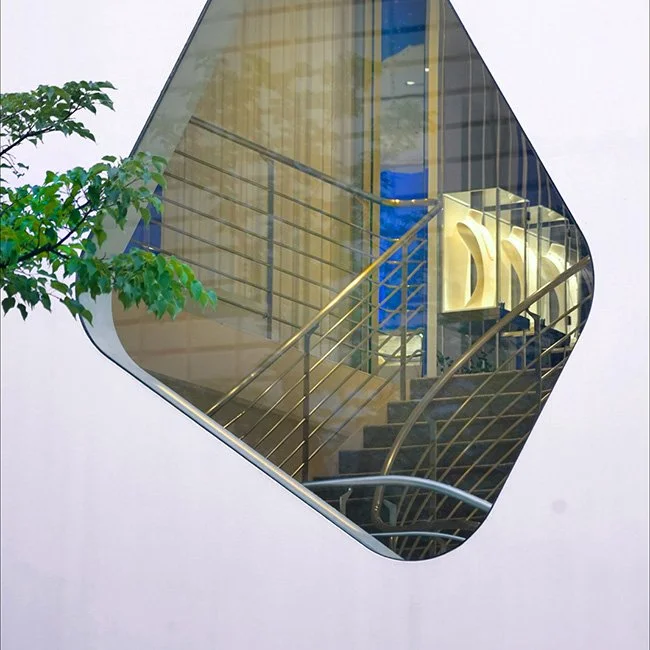
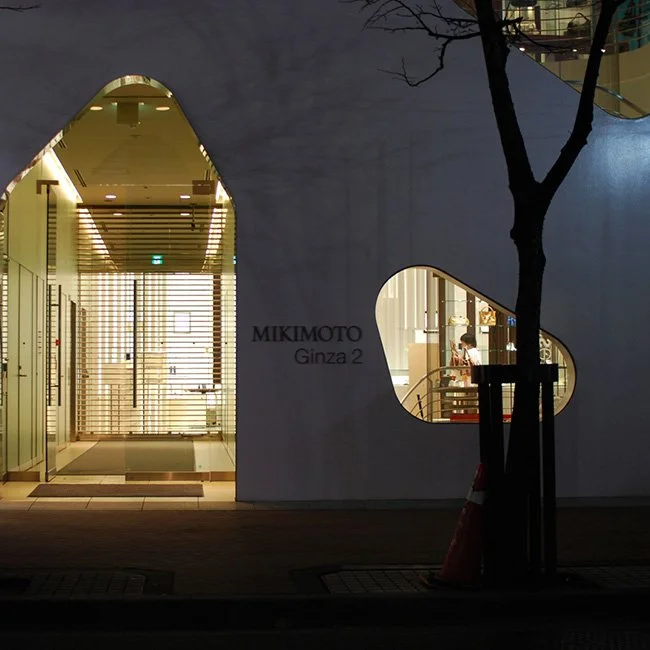
The Mikimoto Ginza 2 building in Tokyo, designed by Toyo Ito, rethinks luxury storefront architecture with a light, organic expression. Located on a busy corner in Ginza, the structure is defined by a series of thin, vertical metal fins that rhythmically wrap the facade, creating a shimmering effect that responds to changing daylight and city movement. These slender elements blur the boundary between inside and out, giving the building a dynamic quality while still providing privacy and shading. Inside, the spaces are arranged to emphasize openness and fluid circulation, allowing the display of Mikimoto’s pearls in settings that feel both refined and welcoming. The facade’s patterning evokes delicate strands—an abstract nod to pearls and the sea—while animating the urban streetscape. Ito’s approach balances a serene elegance with technical sophistication, enabling the building to stand out without overwhelming its elegant Ginza context.
DESCRIPTION:
Don’t miss the neighboring V88 building by Jun Mitsui & Associates.
NOTES:
IMAGE CREDITS:
Image: (1) WROT (2-3) Jean-Pierre Dalbera (4-5) Scarlet Green

ADDRESS:
Japan, 〒166-0002 Tokyo, Suginami City, Kōenjikita, 2-chōme−1−2 2F
ACCESS:
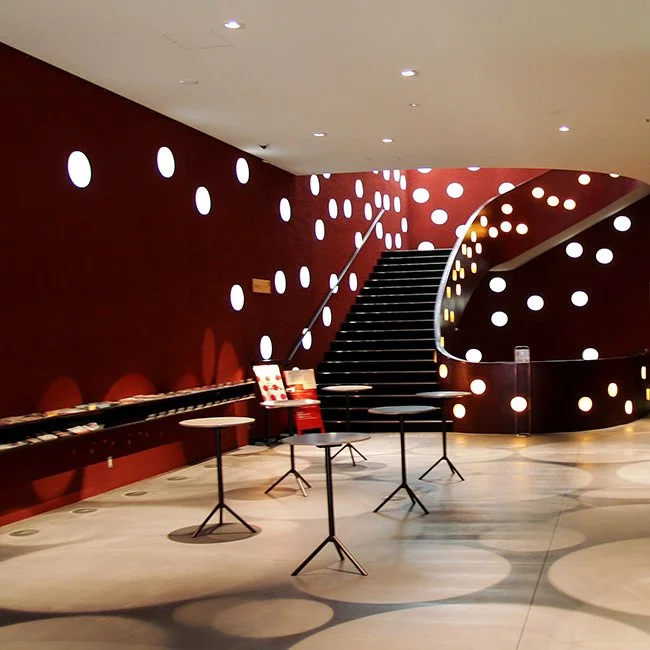
You can enter the lobby to the building, however venturing beyond this point into the theatre will require a ticket.
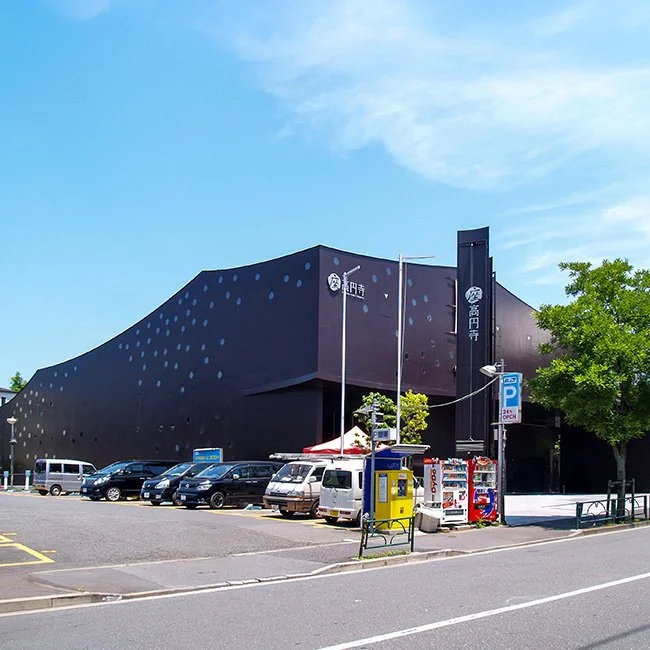
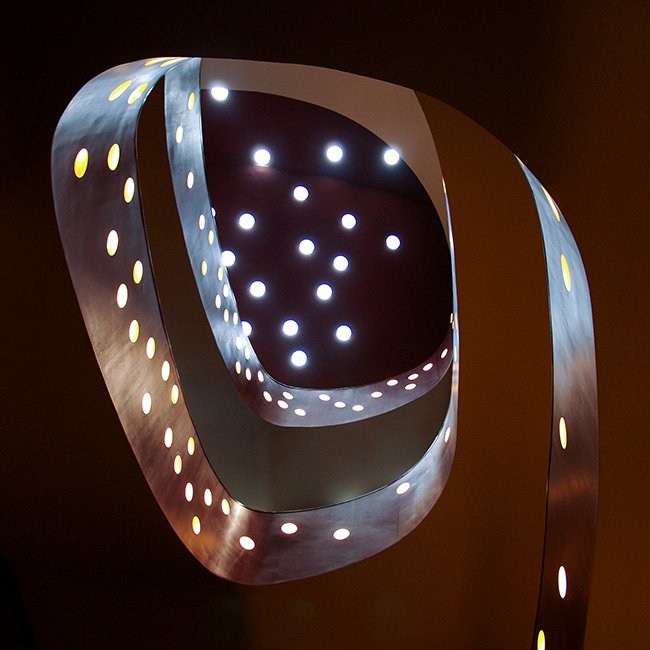
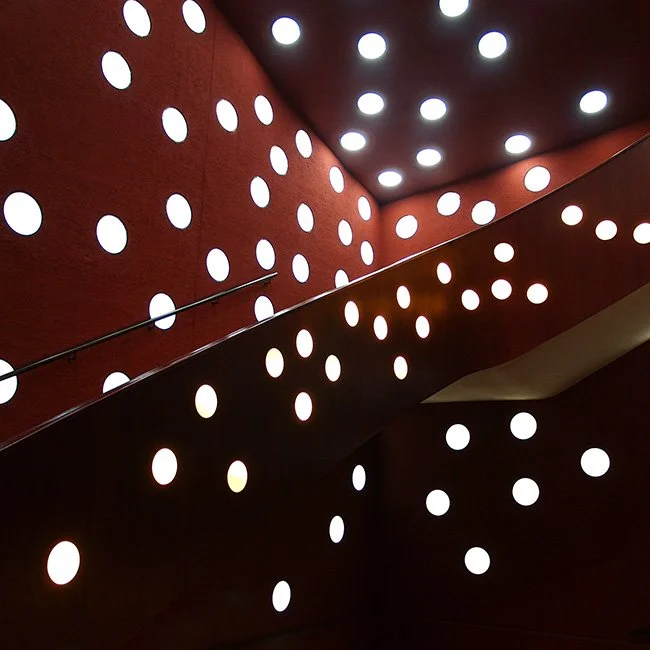
Za Koenji Public Theatre is a compact yet expressive cultural building designed by Toyo Ito in Tokyo’s Suginami Ward. The project responds to a dense residential context and strict zoning rules by placing much of the theater program below ground, allowing the structure to remain modest in height while accommodating complex functions. Its most distinctive feature is the sculptural roof, formed by intersecting curved volumes that give the building a tent-like, almost improvised character, echoing the experimental spirit of the performances inside. The exterior is finished in reinforced concrete, creating a unified, solid appearance that contrasts with the fluid geometry. Internally, the theater includes flexible performance spaces stacked vertically, encouraging varied stage layouts and audience experiences. Overall, the building merges structural ingenuity with a playful architectural identity, reinforcing its role as a community-focused performing arts venue.
DESCRIPTION:
This is a hidden gem in an outer neighborhood in Tokyo. If you find yourself in the area it’s well worth checking out.
NOTES: