Shinro Ohtake
ABOUT THE ARITST
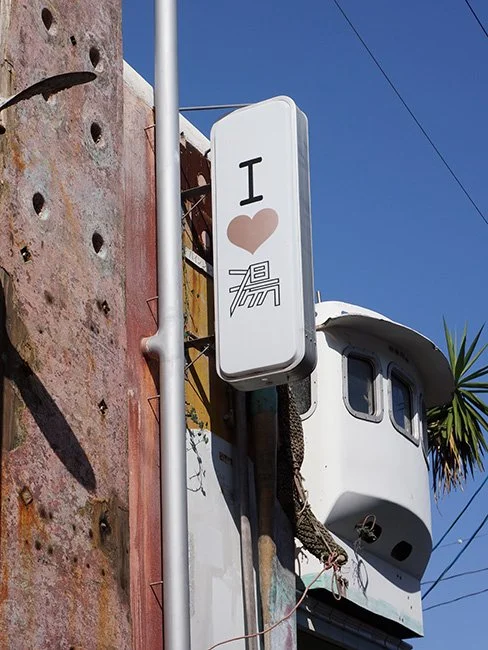
Shinro Ohtake is a Japanese contemporary artist born in Tokyo in 1955, known for his expansive, experimental approach to artmaking. Working across drawing, painting, collage, sculpture, installation, music, and artist books, he often layers found materials, printed matter, and paint to create dense, visually charged compositions. Time spent in London during the 1980s influenced his interest in urban culture and scrap-based assemblage. Ohtake is closely associated with Naoshima, where he transformed a public bathhouse into a vibrant artwork titled ‘I Love Yu’, blending architecture, design, and fine art. His large-scale installations and immersive environments have been exhibited internationally, including representing Japan at the Venice Biennale in 2013. Ohtake’s practice frequently explores memory, media saturation, and the accumulation of everyday imagery, resulting in works that feel both intensely personal and culturally expansive.
PROJECTS:
ADDRESS:
2252-2, Naoshima, Kagawa District, Kagawa 761-3110, Japan
ACCESS:
Accessible for a marginal fee. Check the website for hours and details, or speak with someone at the entry desk.
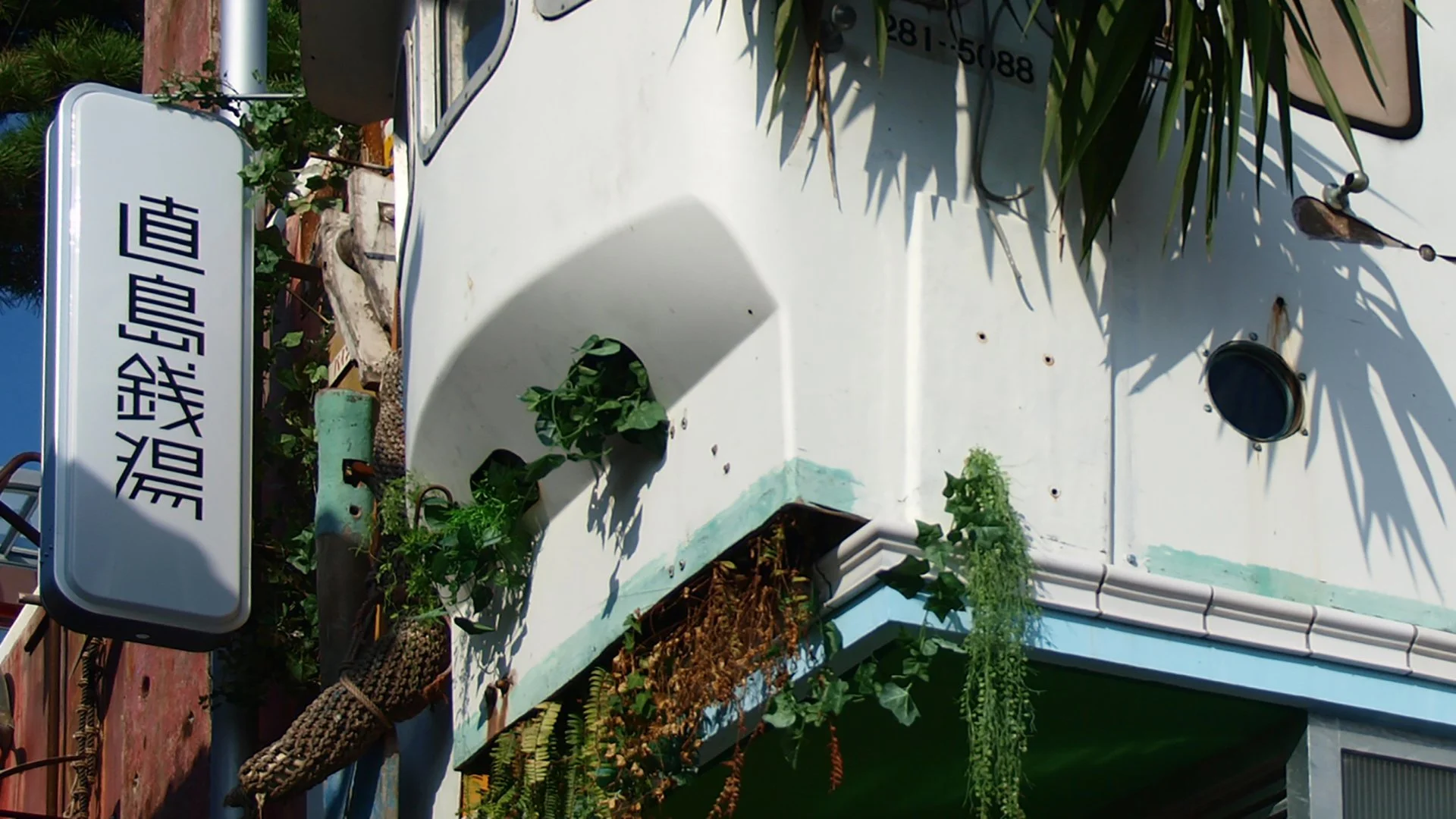
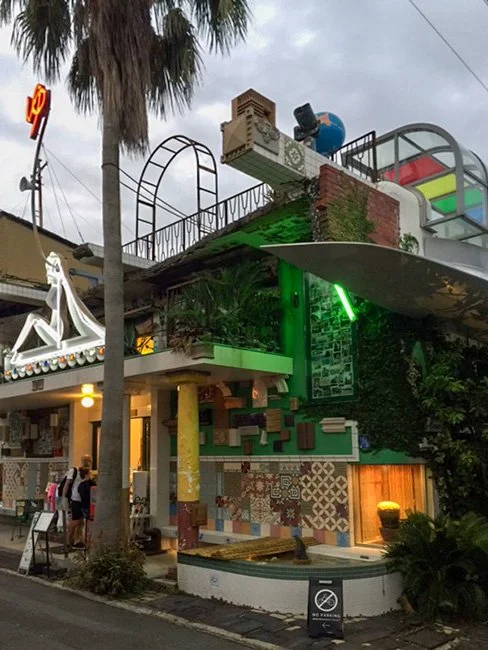
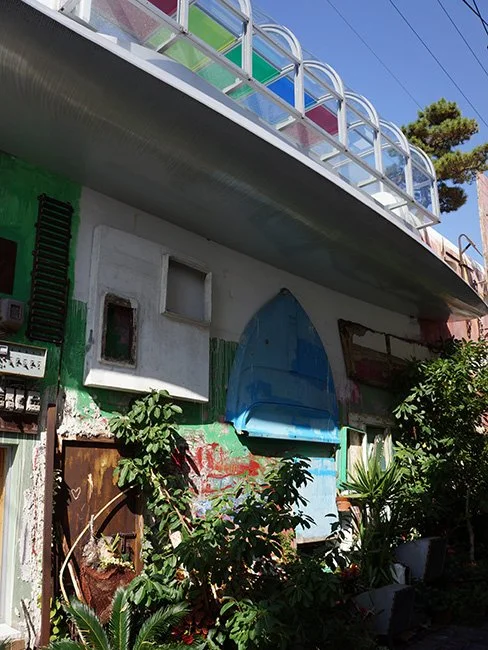
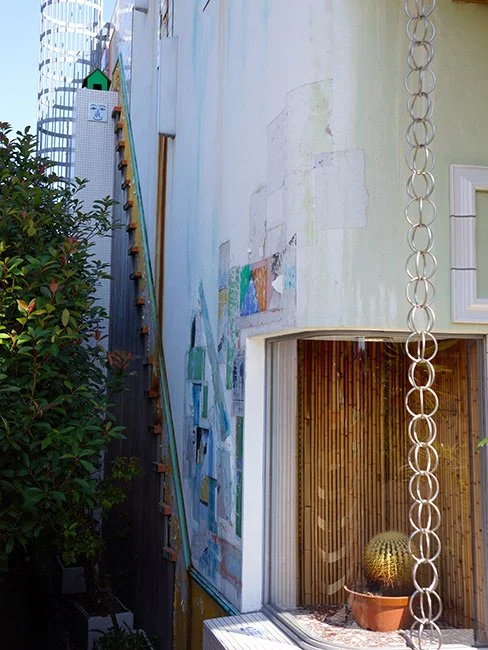
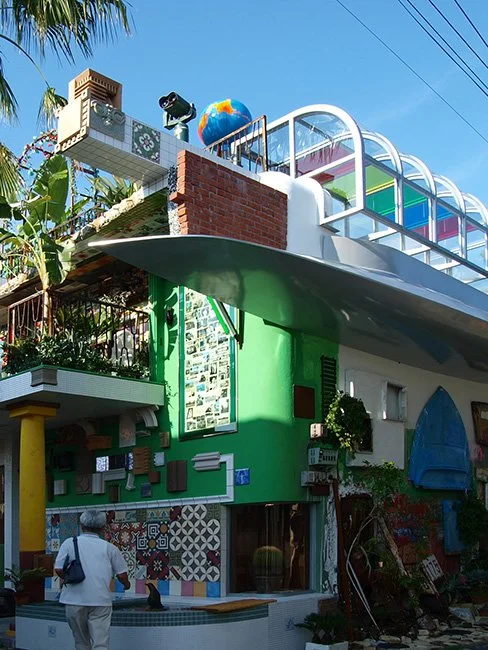
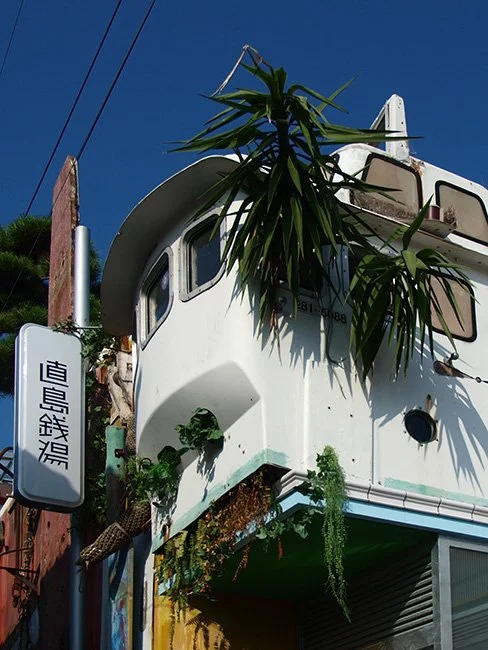
Naoshima’s I Love Yu is a functioning public bathhouse reimagined as an immersive artwork by Shinro Ohtake. Its interior and exterior are covered with colorful mosaics, collages, and sculptural elements, turning a daily ritual into a playful, communal experience that blends art with local life.
DESCRIPTION:
Please make sure you are familiar with the rules and cultural expectations before visiting the bathhouse.
NOTES:
IMAGE CREDITS:
Image (1) WROT (2-5) Kentaro Ohno 6-7) Merec0
ADDRESS:
985-2, Naoshima, Kagawa District, Kagawa 761-3110, Japan
ACCESS:
5 House Ticket: ¥1400 (¥12 online) | 1 House: ¥700 (¥600 online)
HOURS:
Tuesday-Sunday: 10am-12pm, 1pm-4:30pm
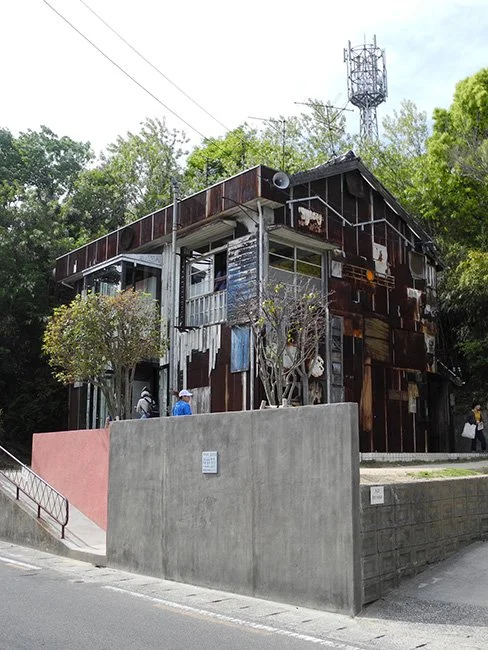
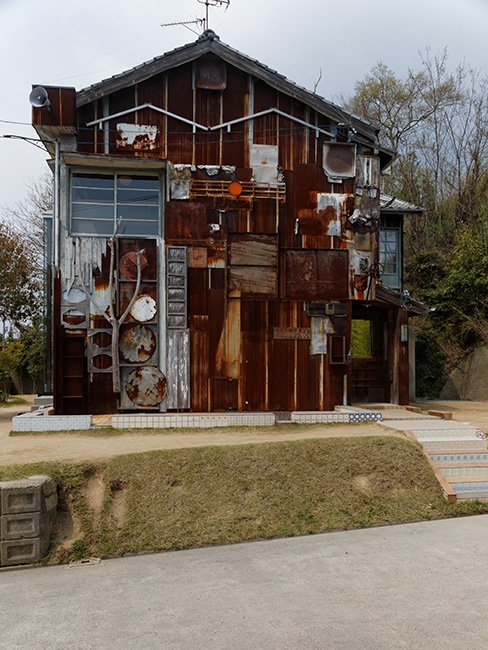
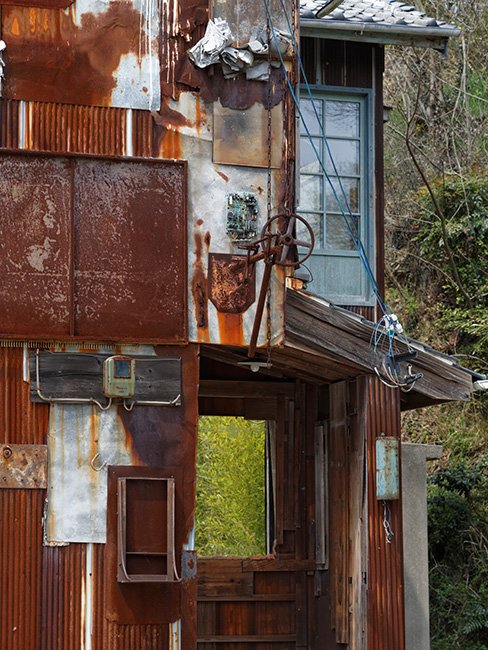
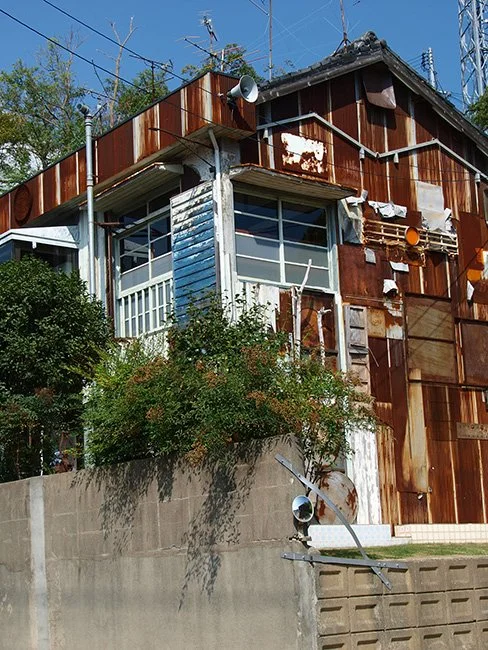
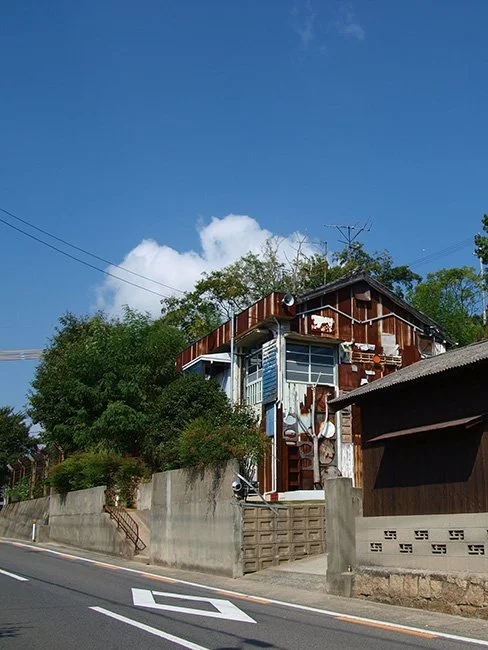
Haisha is part of Naoshima’s Art House Project and was created by Shinro Ohtake in 2006. The work occupies a former dentist’s residence and clinic in the Honmura district, transforming the abandoned wooden building into a layered, immersive installation. Ohtake reimagined the structure by combining collage, painted surfaces, salvaged objects, and sculptural additions, turning the interior and exterior into a dense visual environment. A striking feature is a large-scale statue of the Buddhist deity of liberty placed within the house, along with a boat emerging from an upper floor window. Haisha reflects Ohtake’s interest in memory, accumulation, and urban fragments, blending architecture and artwork into a single experiential space.
DESCRIPTION:
NOTES:
It is well worth purchasing a ticket for 5 houses. They are all small and quick to visit. They walking distance apart, and well worth the ticket.
IMAGE CREDITS:
Image (1) John Seb Barber (2-3) Kimon Berlin (4-5) Merec0
ADDRESS:
Japan, 〒761-3110 Kagawa, Kagawa District, Naoshima, 宮ノ浦3419
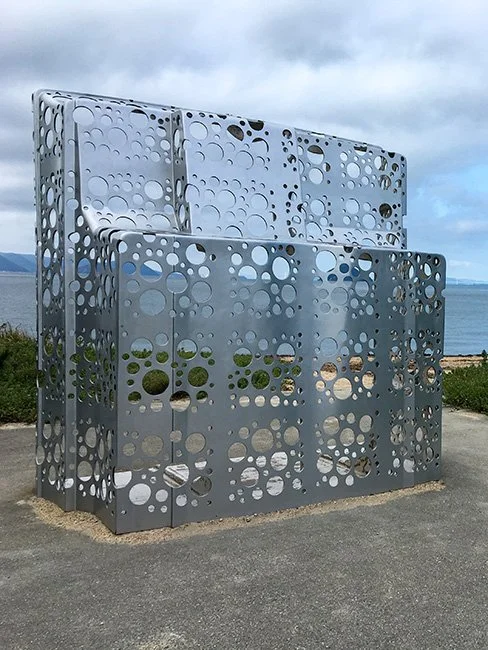
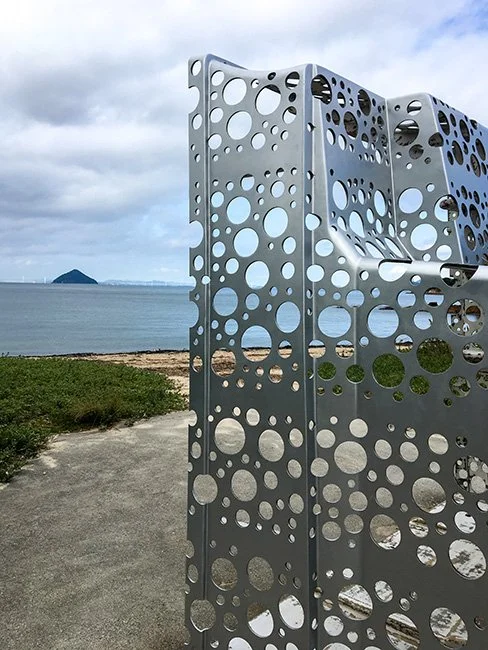
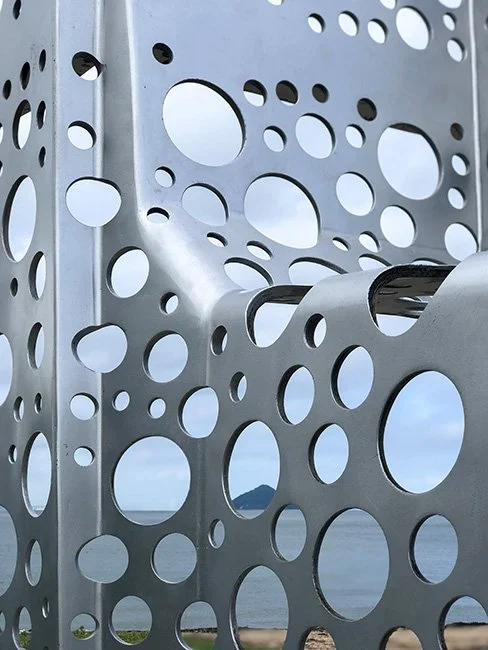
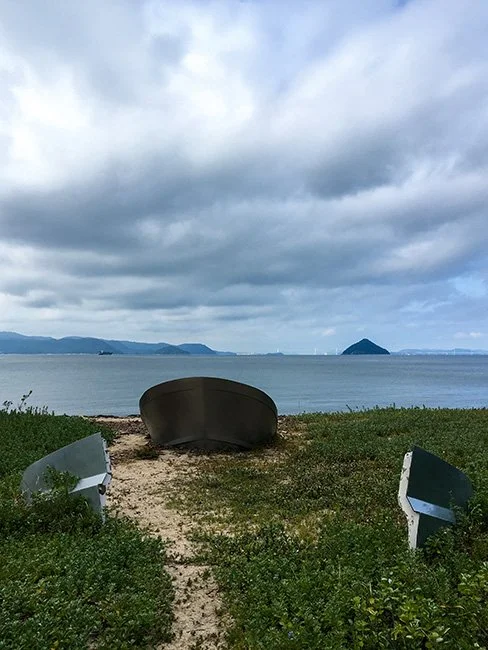
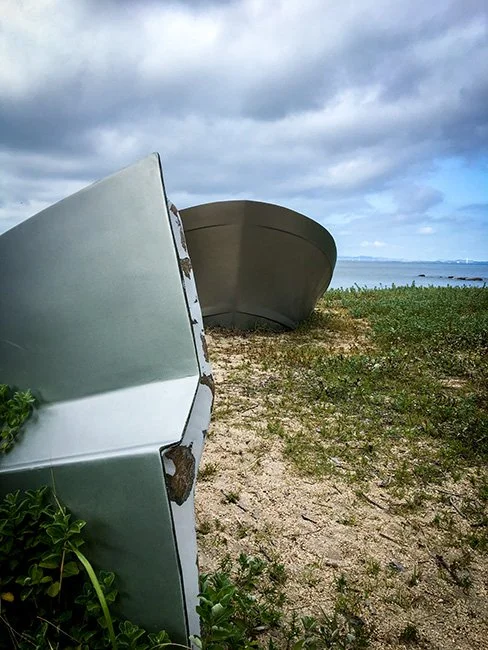
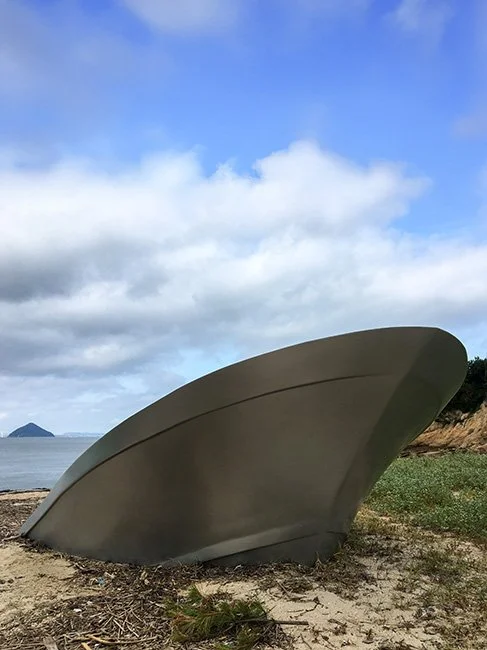
Shinro Ohtake’s Shipyard Works at Benesse House reimagines pieces of a ship as bold, sculptural forms placed along the shoreline. The weathered surfaces and industrial shapes echo the island’s maritime history, creating a striking contrast between human-made remnants and the surrounding sea and landscape.
ACCESS:
FREE
DESCRIPTION:
There are multiple Shipyard Works across the Benesse grounds.
NOTES: