Nancy Holt
ABOUT THE ARITST
Nancy Holt (1938–2014) was an American artist best known for her large-scale land art, outdoor installations, and explorations of perception, space, and time. Working across sculpture, photography, film, and writing, she frequently used the sun, stars, and landscape as integral elements of her work. Her best-known project, Sun Tunnels (1973–1976), consists of four enormous concrete cylinders arranged in the Utah desert, with perforations that frame patterns of sunlight and constellations. Holt was closely associated with the Land Art movement and collaborated with fellow artist Robert Smithson, whom she married in 1963. Unlike works that primarily reshape the landscape, many of Holt’s installations direct attention toward natural phenomena already present, using carefully positioned structures to make celestial movements and spatial relationships visible. Her work helped expand contemporary sculpture beyond the gallery into the environment itself.
PROJECTS:
SUN TUNNELS
Wendover, UT - United States
ADDRESS:
Little Pigeon Rd, Wendover, UT 84083
DISCRIPTION:
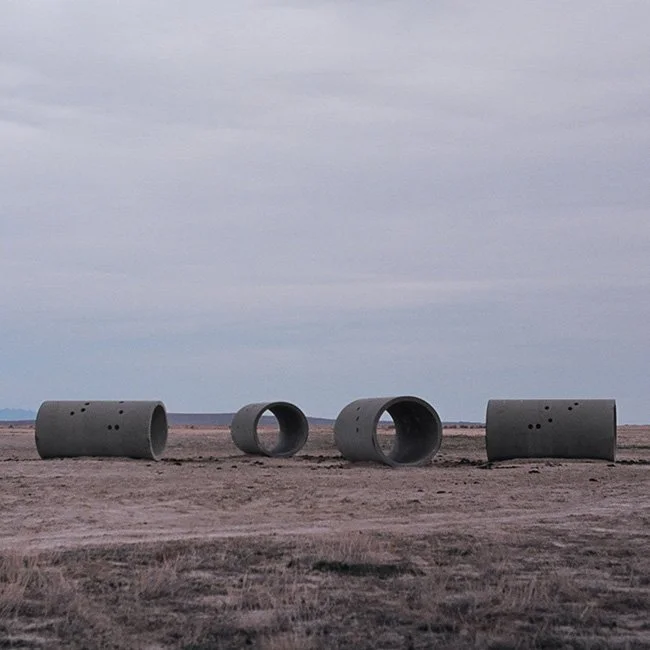
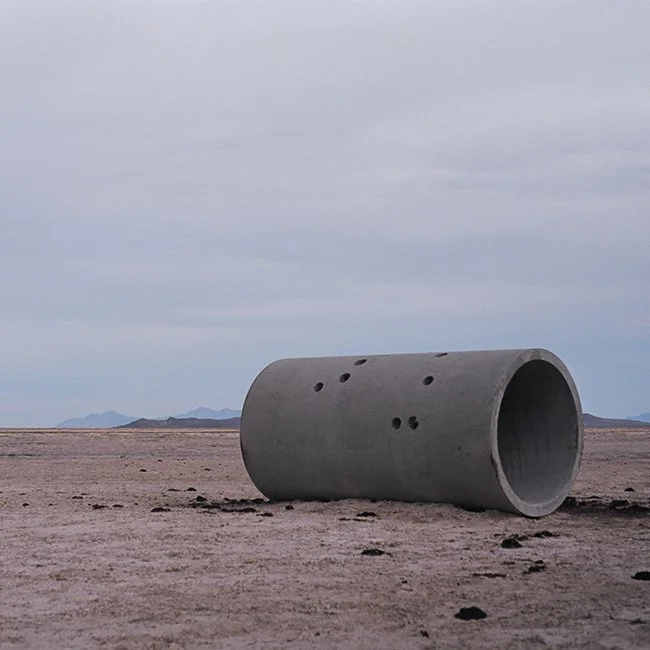
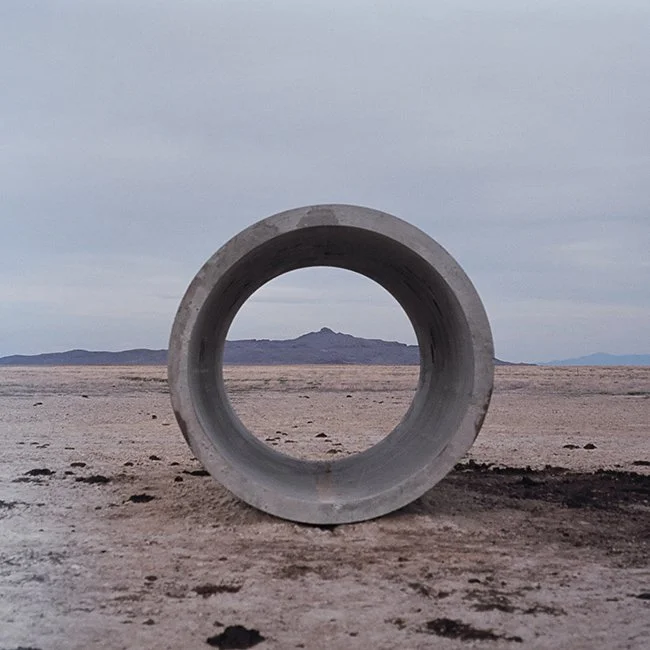
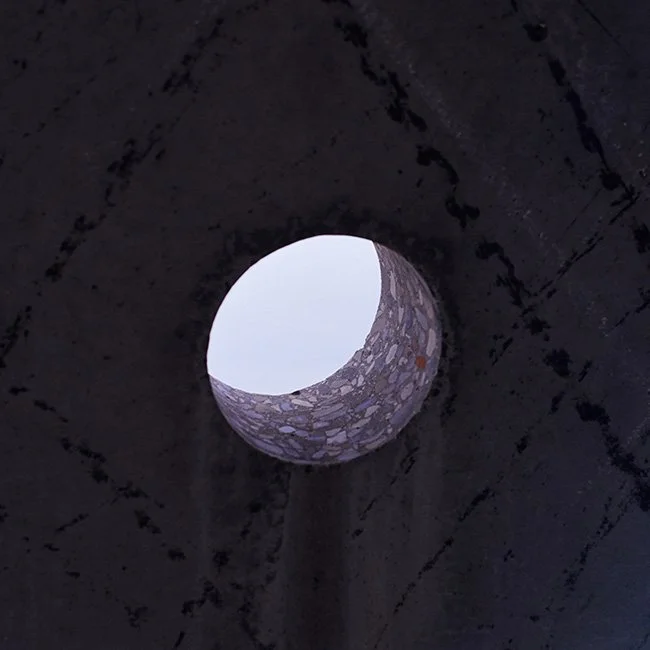
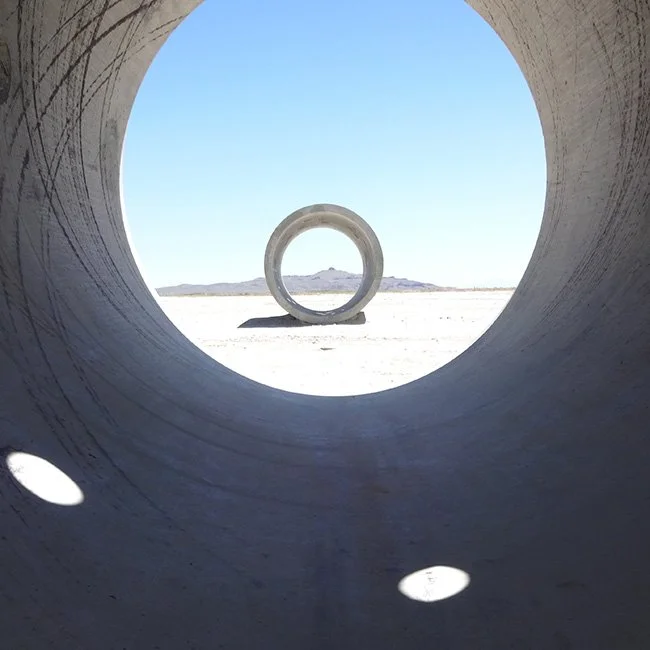
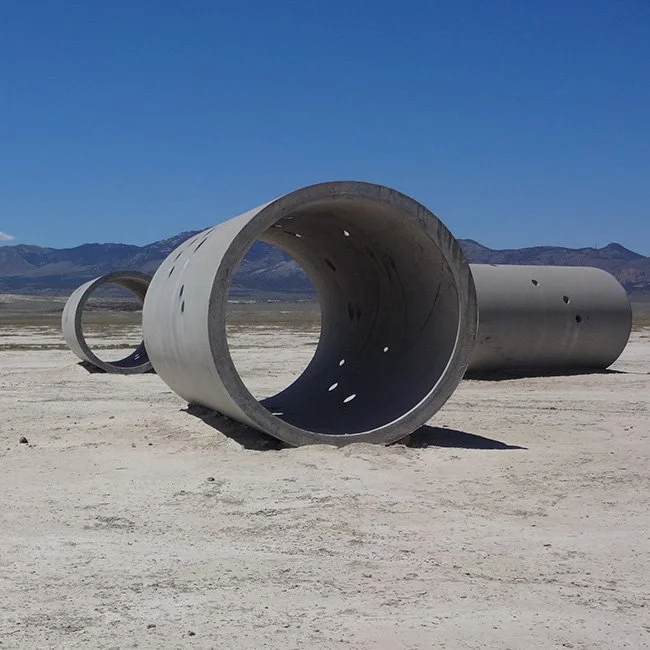
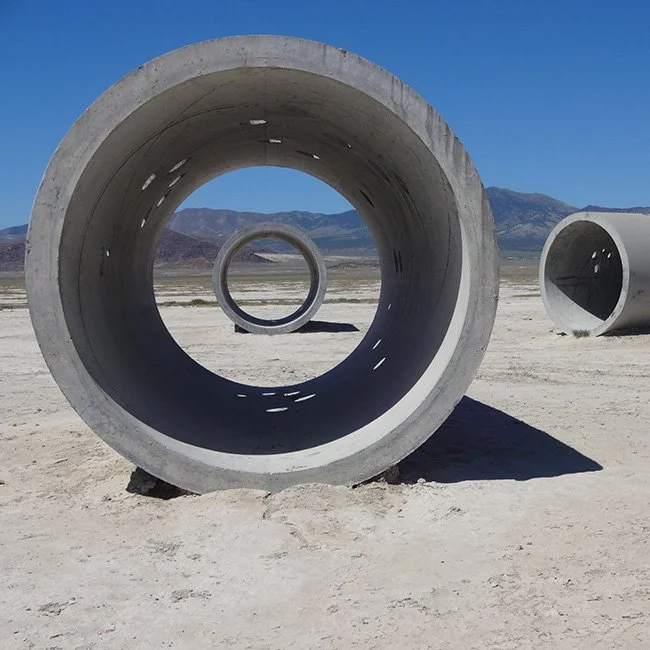
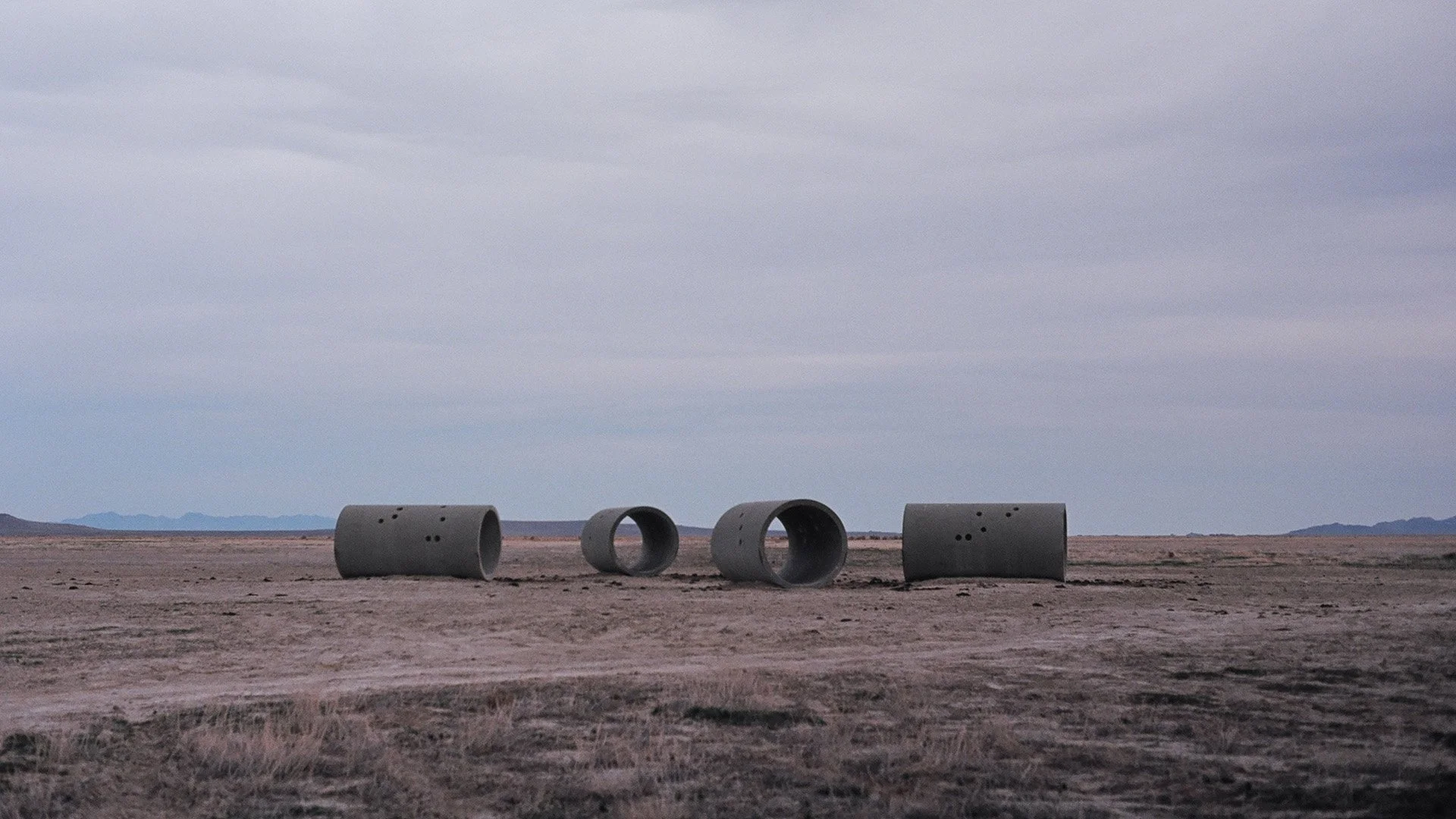
Sun Tunnels is a large-scale land art installation created by artist Nancy Holt between 1973 and 1976 in Utah’s Great Basin Desert. The work comprises four massive concrete cylinders arranged in an open X formation, positioned to align with the sunrise and sunset during the summer and winter solstices. Each tunnel contains small perforations corresponding to the patterns of four constellations: Draco, Perseus, Columba, and Capricorn. As sunlight moves across the desert, these openings project changing points of light onto the tunnels’ interiors, connecting the surrounding landscape to celestial cycles. Holt designed the installation to make astronomical events perceptible through direct physical experience rather than conventional representation. Its remote setting is essential to the work, allowing visitors to observe shifting light, expansive horizons, and the relationship between human-made structures and the natural environment.
ACCESS:
FREE: No special access is required
NOTES:
It is FREE to visit year round. You can even camp on the 40 acre site. Keep in mind it is a remote area and you should plan accordingly. Respect the land and leave no trace.
IMAGE CREDIT:
Image (1-4) Alison Jean Cole (5-7) Retis