Marcel Breuer
Marcel Breuer was a Hungarian-born architect and designer who became a leading figure of modernism in the twentieth century. Born in 1902, he studied and later taught at the Bauhaus, where he explored the relationship between art, craft, and industry. Breuer first gained recognition for his tubular steel furniture, including the Wassily Chair, which translated industrial materials into elegant domestic forms. After moving to the United States, he established a successful architectural practice and designed influential buildings such as the former Whitney Museum of American Art in New York and UNESCO’s headquarters in Paris, in collaboration with others. His later work is often associated with Brutalism, characterized by bold geometric forms and exposed concrete. Breuer’s career bridged furniture design and monumental architecture, shaping the language of modern design internationally.
ABOUT THE ARCHITECT
PROJECTS:
New York City, NY - United States
SOTHEBY’S BREUER
ACCESS:
Portions of the building are accessible to the public during select showings related to upcoming sales.
ADDRESS:
945 Madison Ave, New York, NY 10021
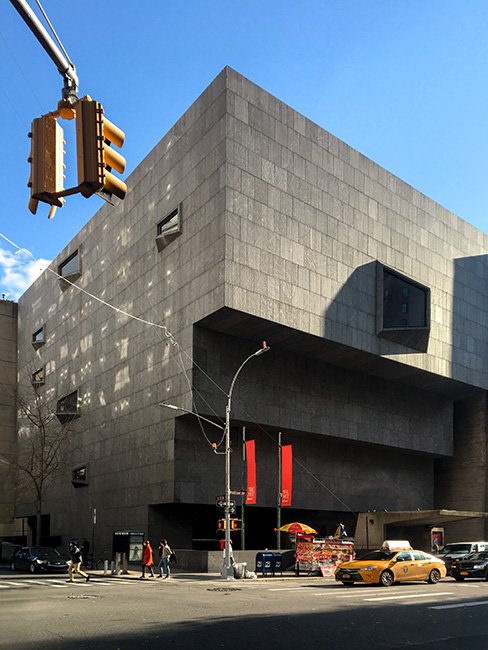
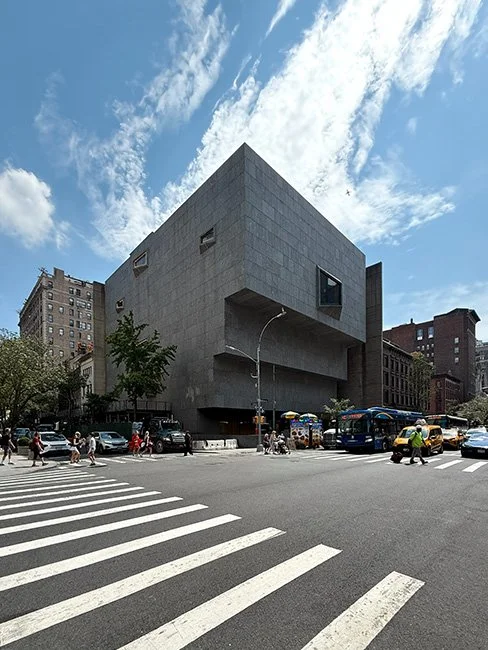
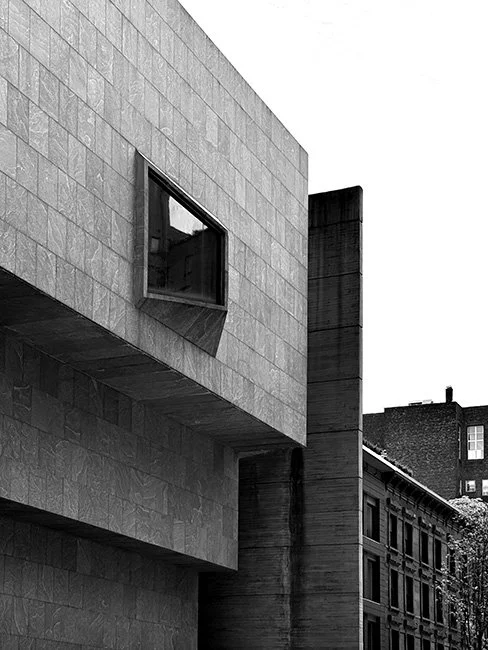
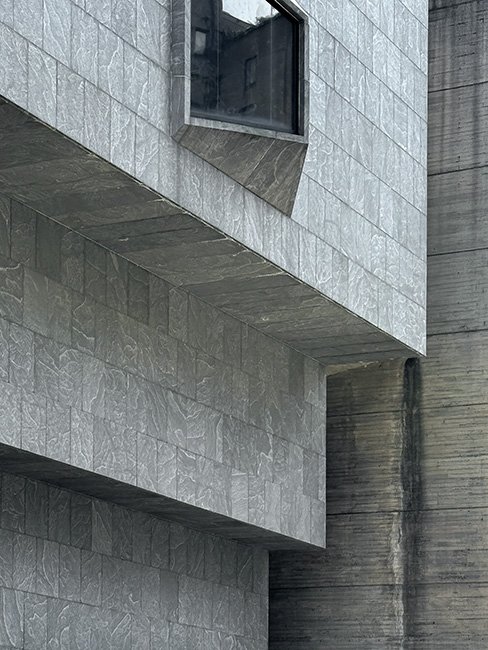
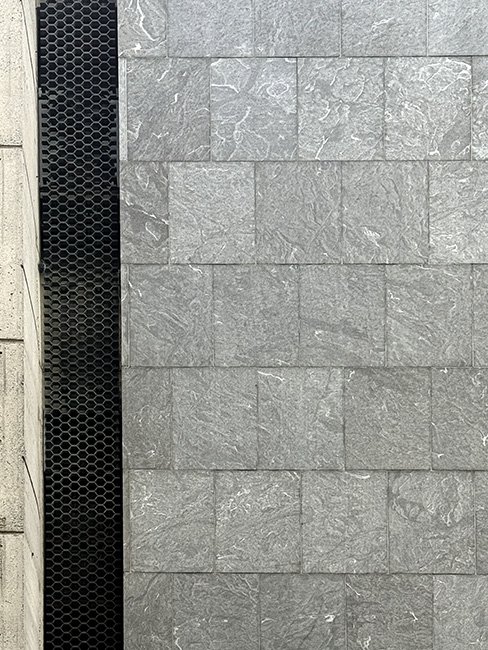
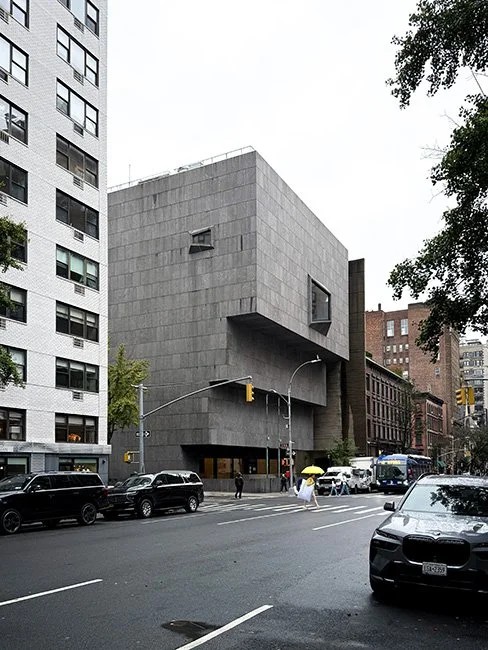
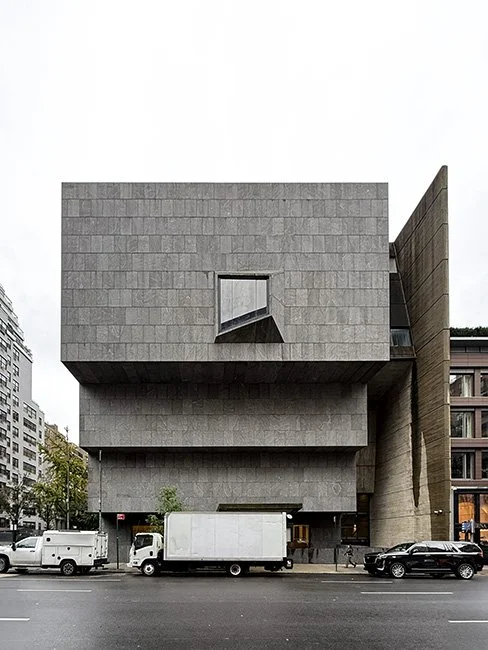
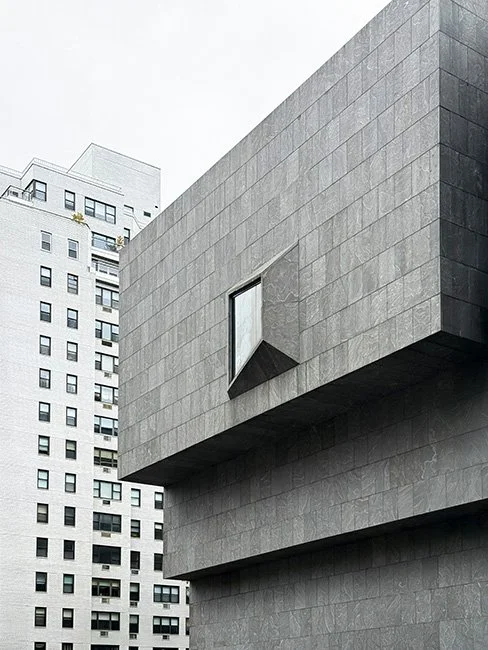
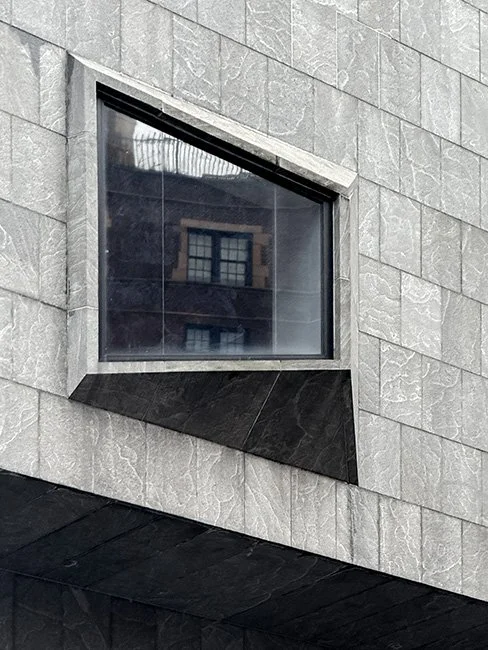
The former Whitney Museum building, designed by Marcel Breuer and completed in 1966, stands as a bold statement of modernist architecture in Manhattan’s Upper East Side. Breuer, a Bauhaus-trained architect, broke with traditional museum aesthetics by using heavy, inverted forms and a façade of granite and concrete that juts assertively into the urban streetscape. The building’s signature features—a cantilevered entrance and trapezoidal windows—reflect Breuer’s sculptural approach and his interest in brutalism. Conceived during a time when modern architecture was reshaping cultural institutions, the structure was initially controversial for its stark contrast with surrounding townhouses. Over time, however, it gained recognition as a significant architectural landmark. After the Whitney relocated, the building found new life as the temporary home of the Metropolitan Museum of Art’s contemporary and modern collection, showcasing its adaptability and ongoing relevance in New York’s cultural landscape.
DESCRIPTION:
The building will reopen in late 2025, it is not yet clear what if any access to the public will be available.
NOTES: