Kenzo Tange
Kenzo Tange was a highly influential Japanese architect who played a central role in shaping modern architecture in Japan after the Second World War. Born in 1913, he was educated at the University of Tokyo, where he later became a professor and mentor to a new generation of architects. Tange’s work is known for combining modernist principles with references to traditional Japanese spatial ideas. He designed a wide range of projects, including civic buildings, cultural institutions, and large urban plans. His architecture often features bold structural forms and advanced engineering, reflecting Japan’s rapid postwar transformation. International recognition came through major projects abroad as well as in Japan, and in 1987 he was awarded the Pritzker Architecture Prize. His ideas continue to influence contemporary architectural thinking worldwide.
ABOUT THE ARCHITECT
PROJECTS:
ADDRESS:
3-chōme-16-15 Sekiguchi, Bunkyo City, Tokyo 112-0014, Japan
ACCESS:
FREE, during hours of operation. Be respectful, this is a place of worship.
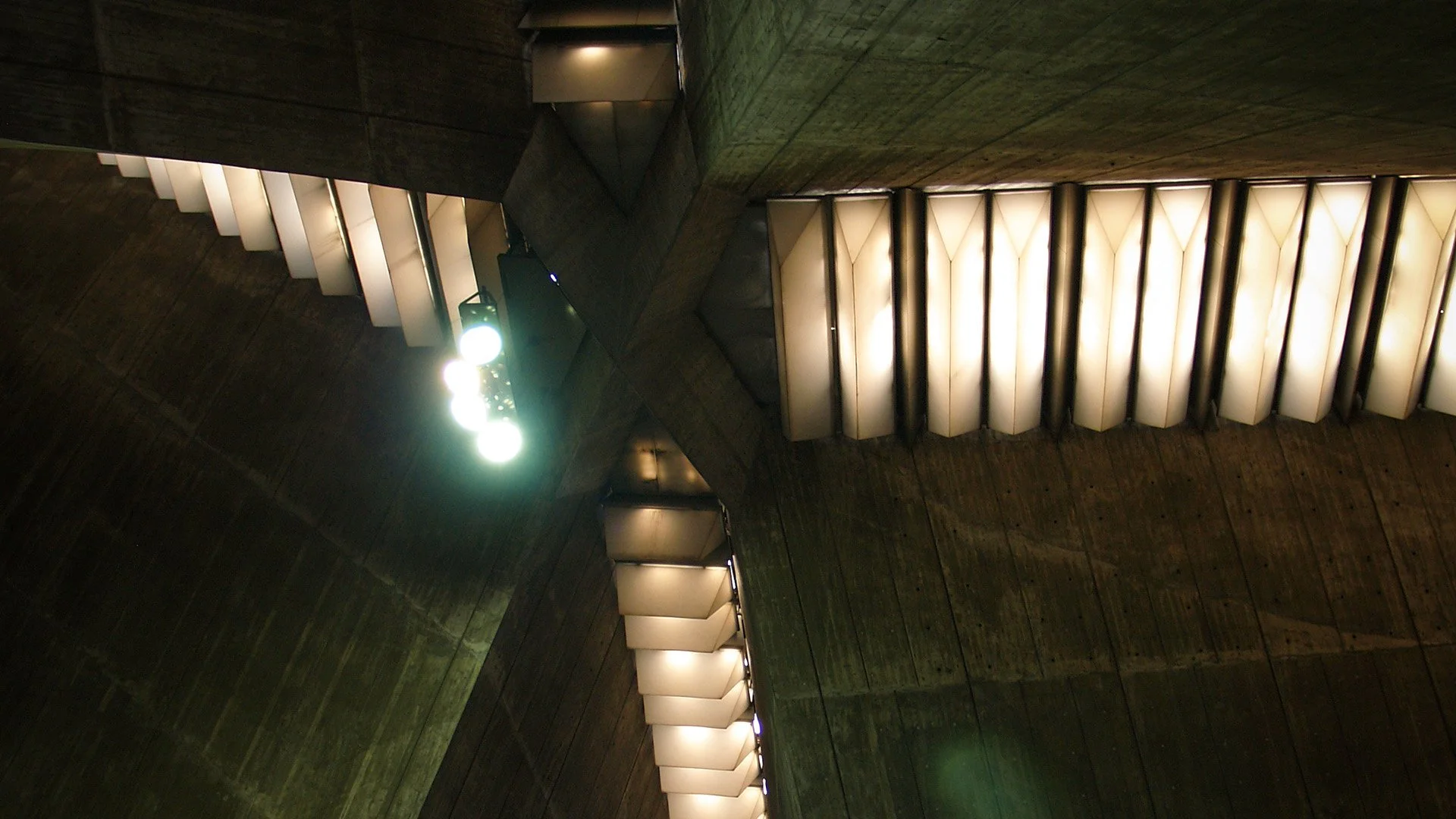
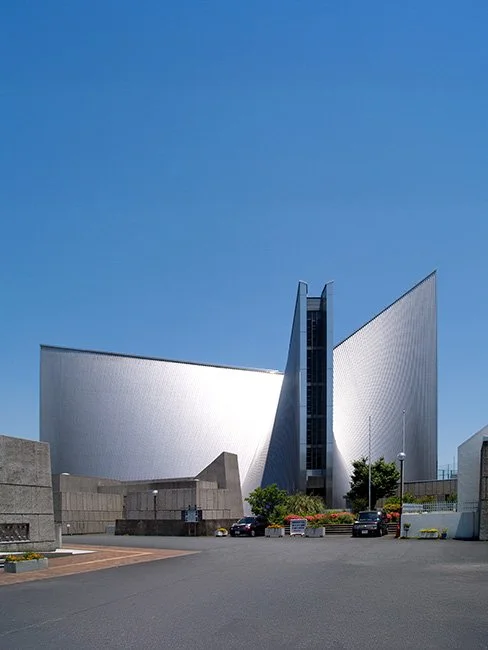
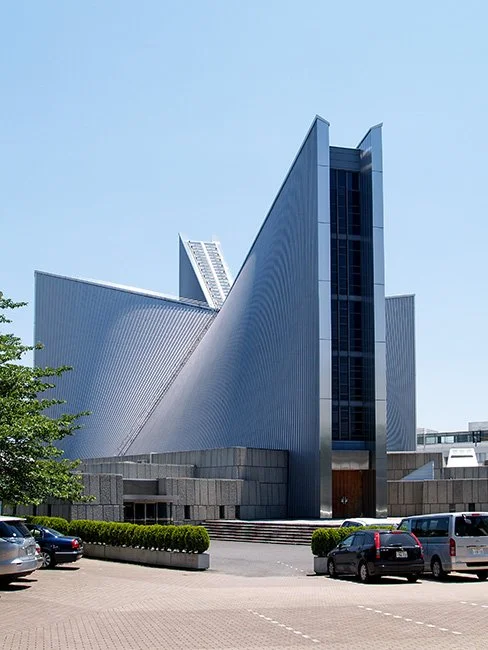
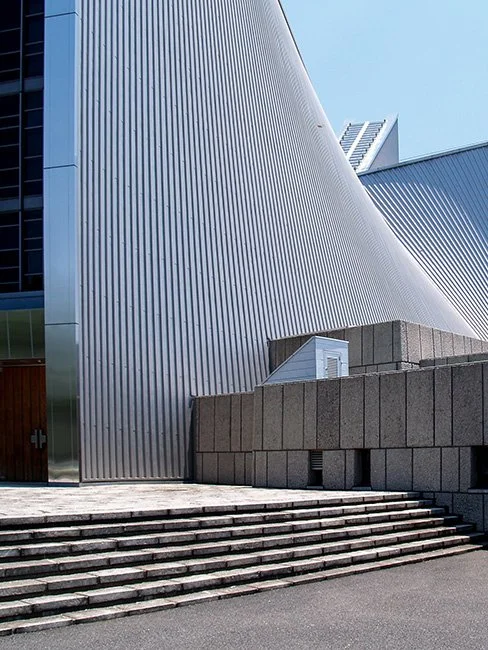
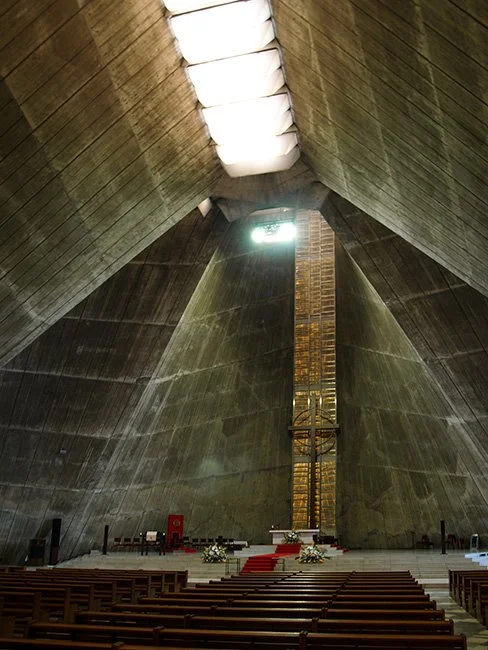
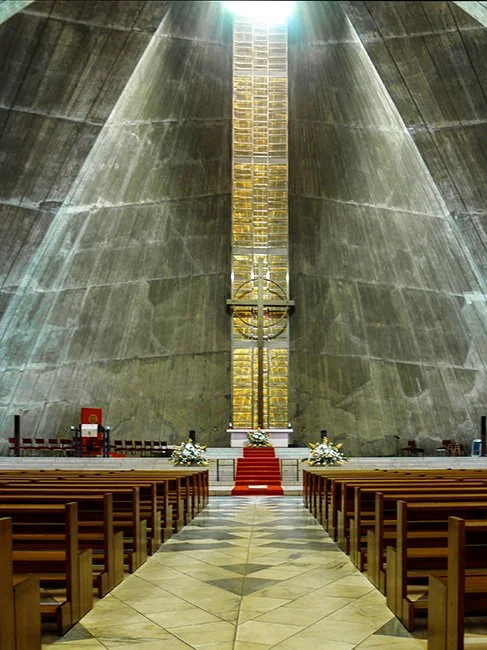
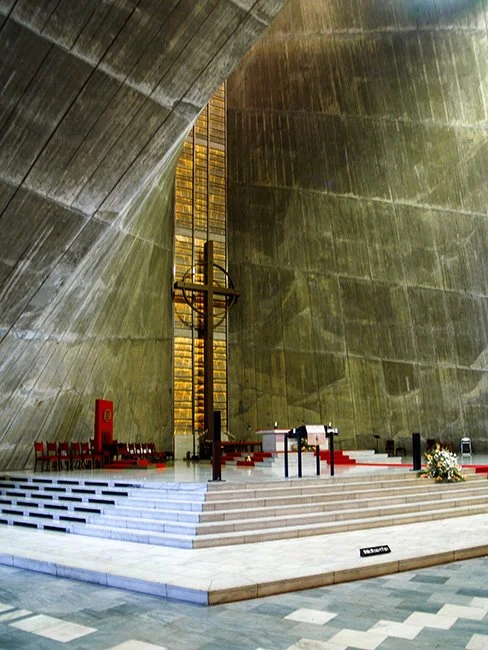
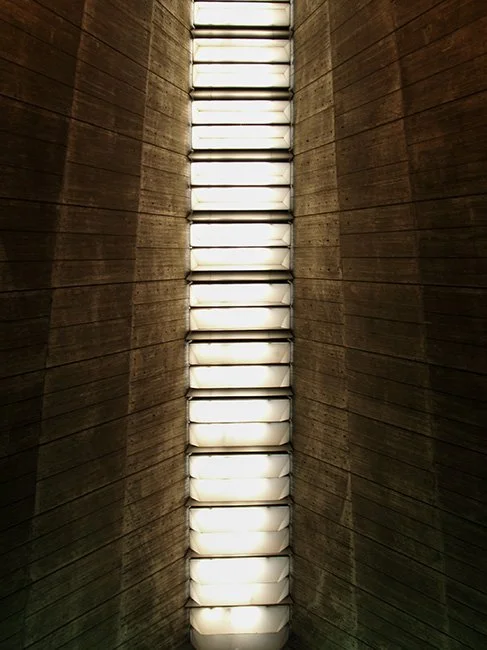
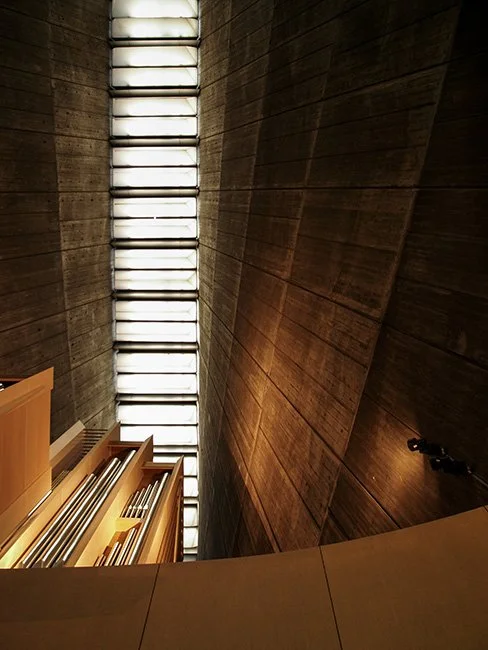
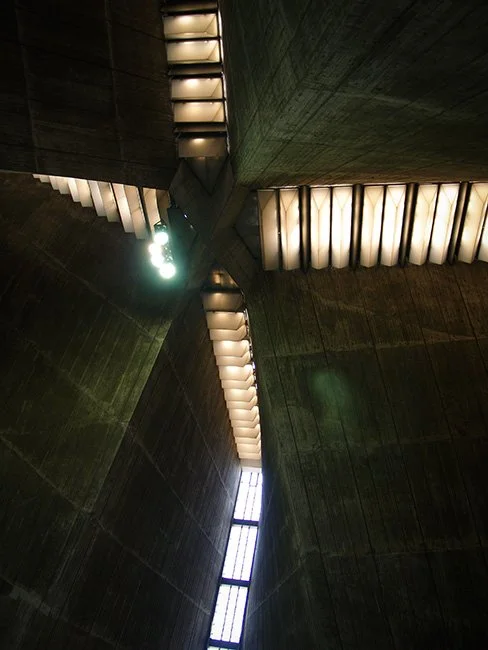
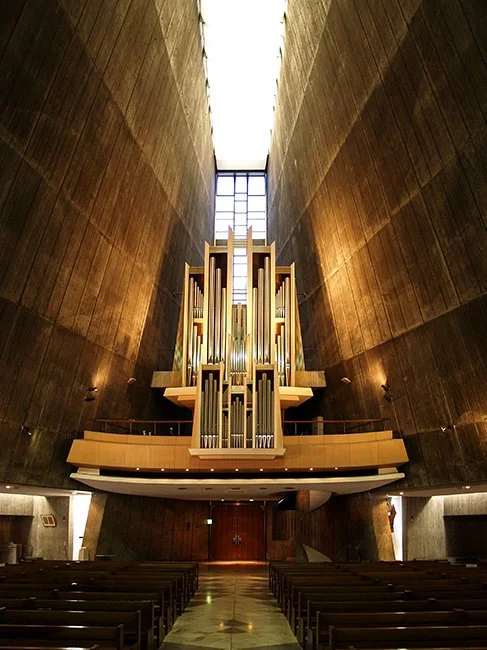
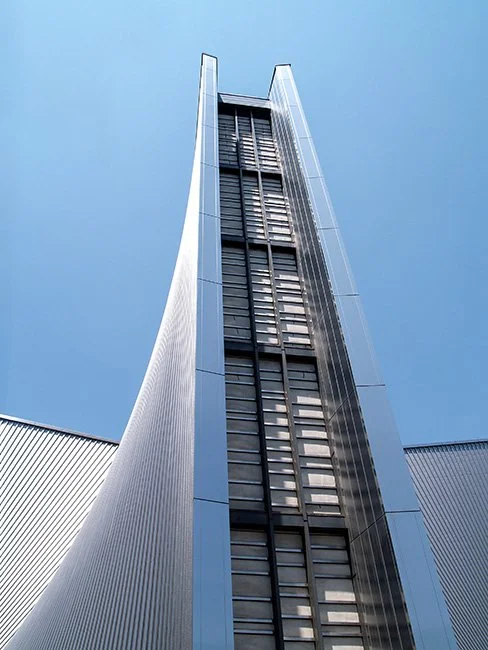
St. Mary’s Cathedral in Tokyo is a major religious building designed by architect Kenzo Tange and completed in 1964. The cathedral replaces an earlier wooden church and reflects Japan’s postwar modernist movement. Its structure is formed by eight curved concrete walls that rise upward and meet to create a dramatic cross-shaped plan when viewed from above. Stainless steel panels clad the exterior, giving the building a luminous surface that changes with weather and light. Inside, the soaring vertical space directs attention toward the altar, while narrow openings between the walls allow soft daylight to filter in. The combination of reinforced concrete, steel, and sculptural form demonstrates Tange’s interest in merging modern engineering with symbolic expression. The cathedral stands as an important example of modern sacred architecture in Japan.
DESCRIPTION:
One of Japan’s greatest brutalist buildings, and a must see. Many great works of architecture are not accessible to the public, but this one is.
NOTES:
ADDRESS:
2-chōme-1-1 Jinnan, Shibuya, Tokyo 150-0041, Japan
ACCESS:
Access to the stadium is only permitted through ticketed events.
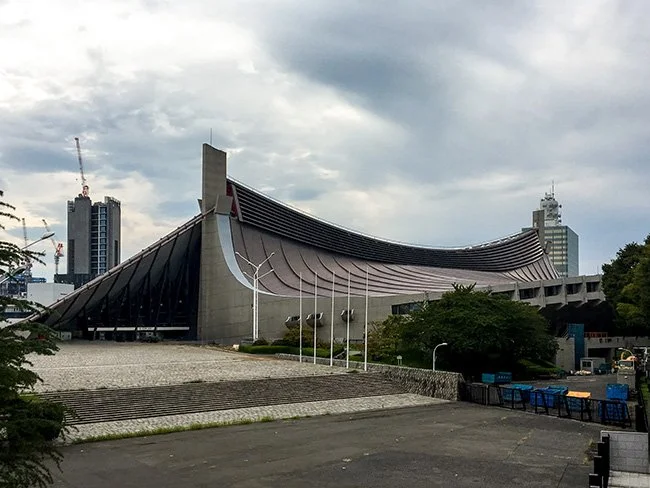
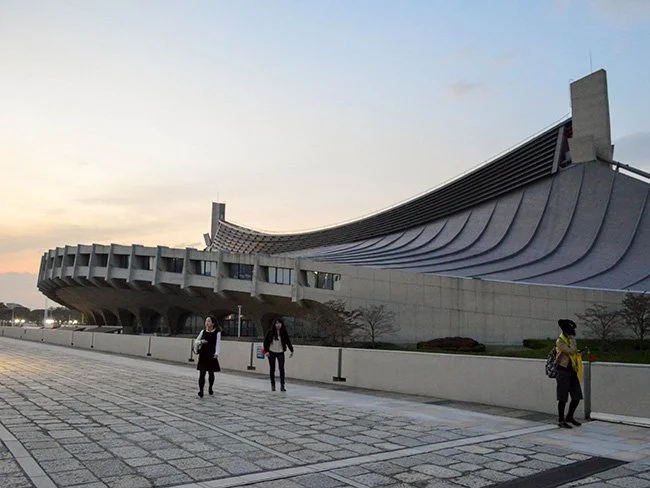
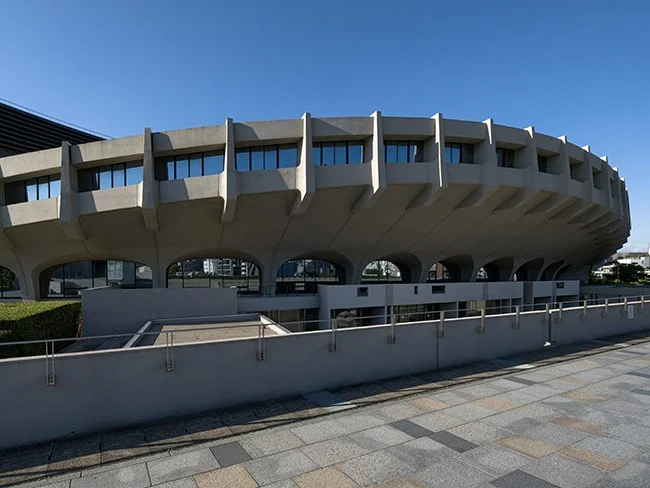
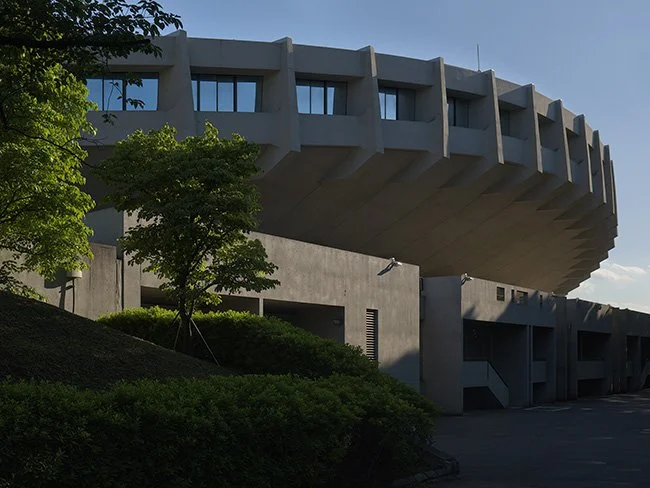
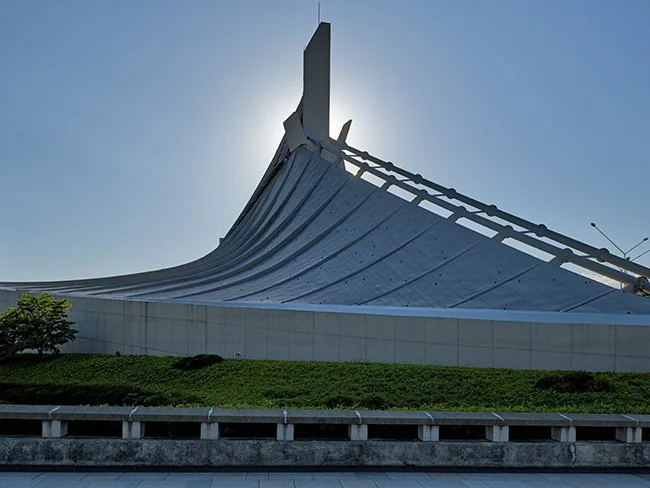
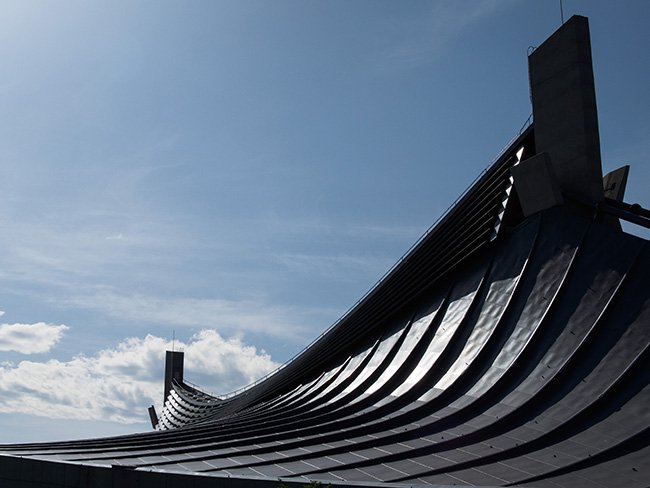
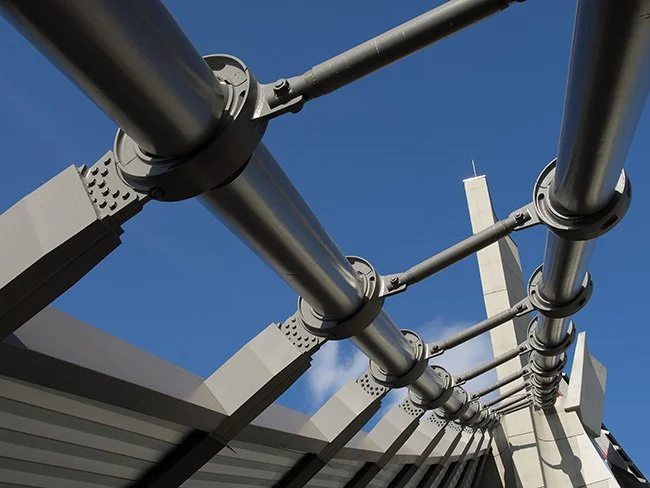
Yoyogi National Stadium in Tokyo is an iconic sports complex designed by Kenzo Tange for the 1964 Olympic Games. The building is best known for its dramatic suspended roof system, which uses steel cables anchored to massive concrete pylons to span large interior spaces without internal columns. This engineering approach creates an open and flexible arena while giving the stadium its distinctive sweeping silhouette. The main hall and smaller auxiliary gymnasium are unified by curved forms that appear fluid and dynamic, echoing movement and athleticism. Exposed concrete surfaces express structural strength, while the flowing roofline softens the overall mass of the building. Tange’s design successfully merges advanced technology with sculptural form, making the stadium both a functional sports venue and a landmark of modern Japanese architecture.
DESCRIPTION:
If you like the work of Kenzo Tange make sure you don’t miss St Mary’s Cathedral in Tokyo as well.
NOTES:
IMAGE CREDITS:
Image: (1) WROT (2) Francisco Anzola (3-5) Rob Oo (6-7) Suguru Yamamoto