TRADITIONAL SITES
Significant traditional architecture, gardens, and neighborhoods - Japan
WHAT’S
INSIDE:
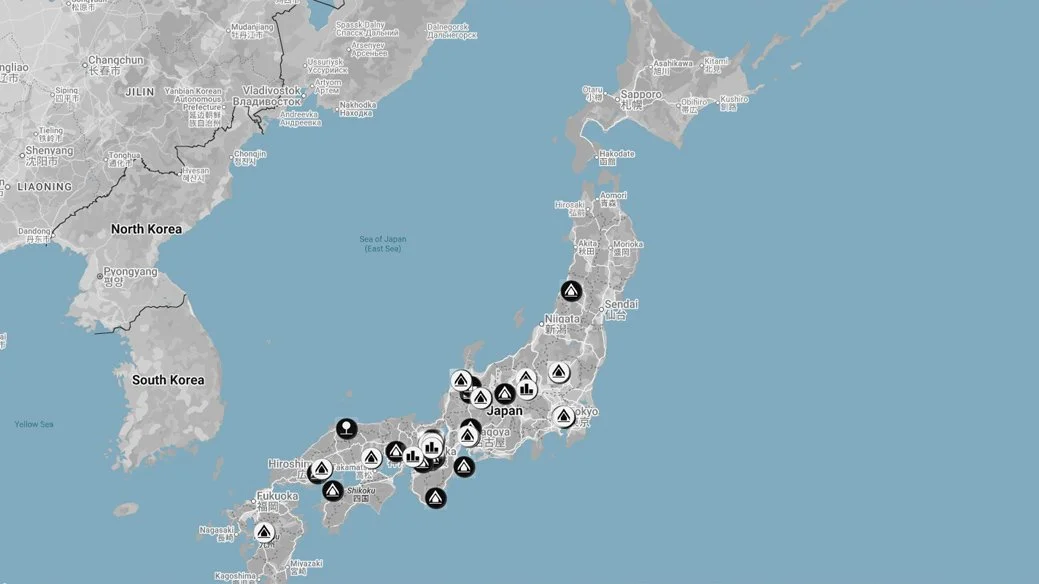
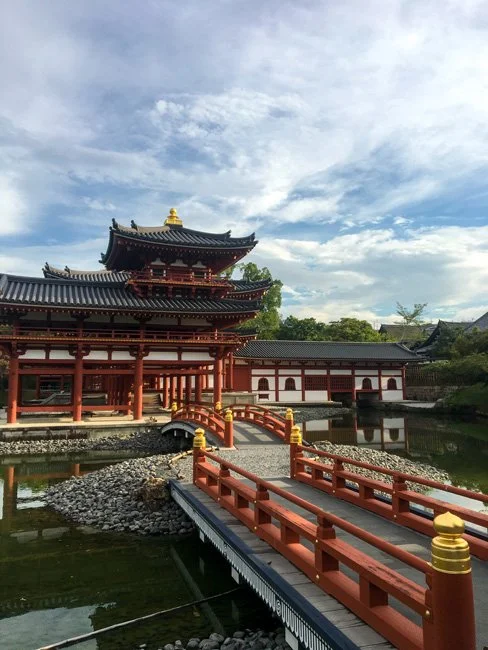
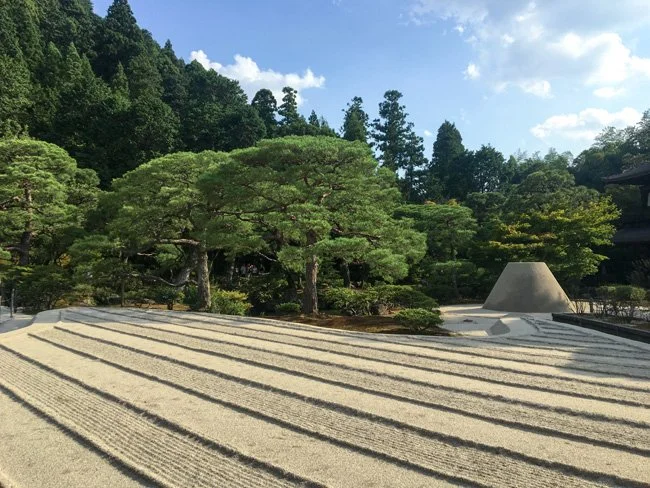
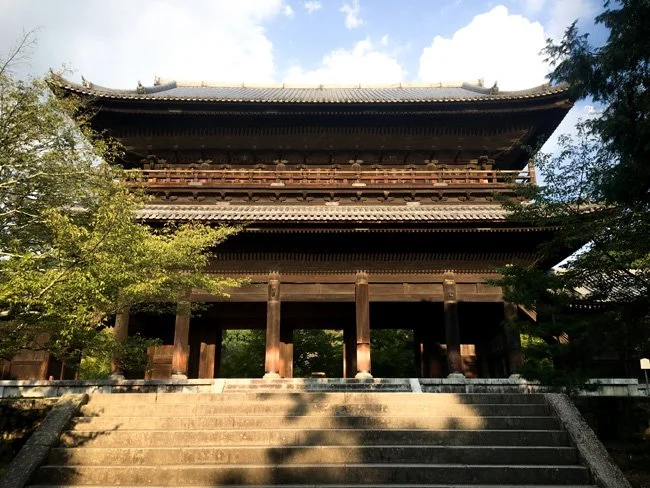
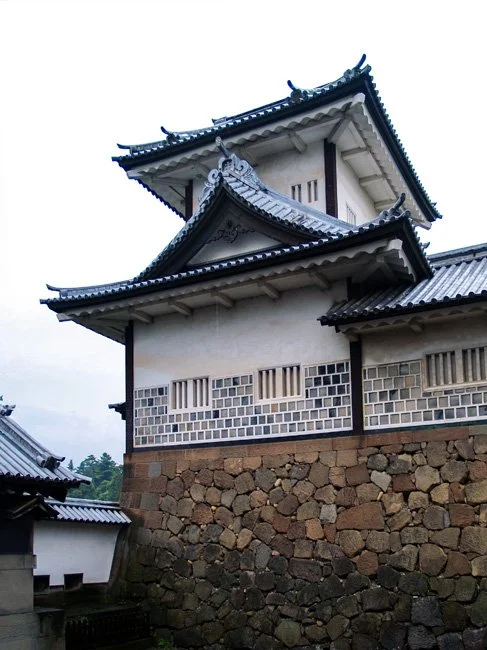
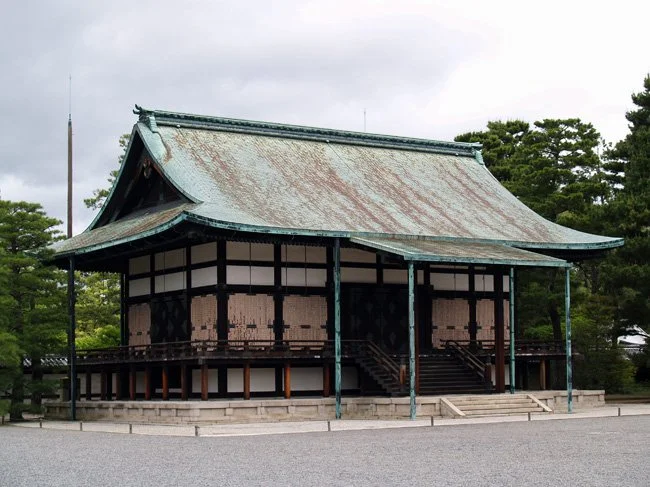
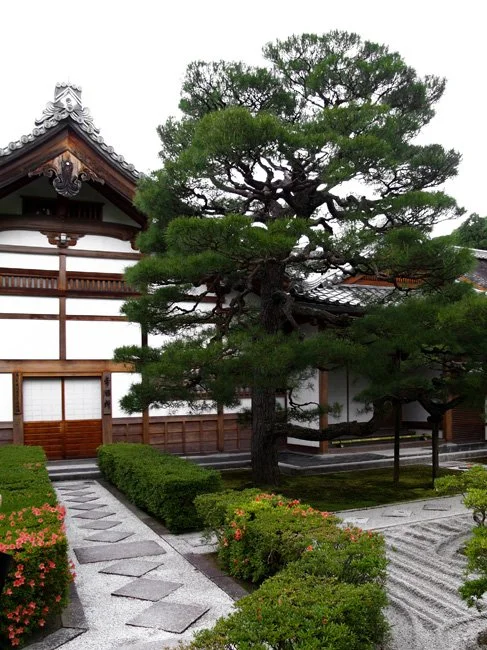
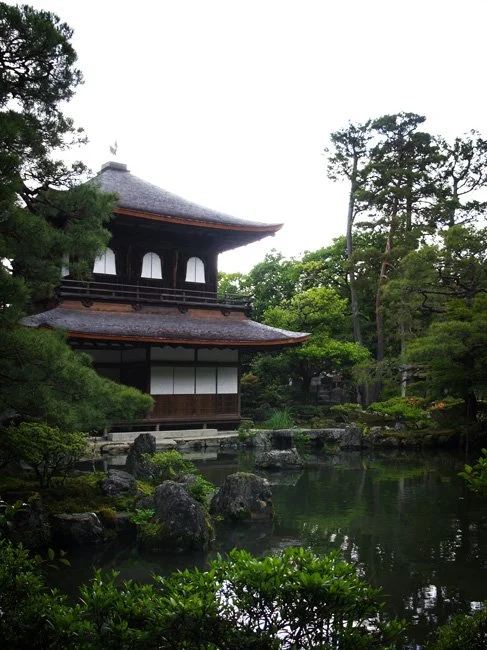
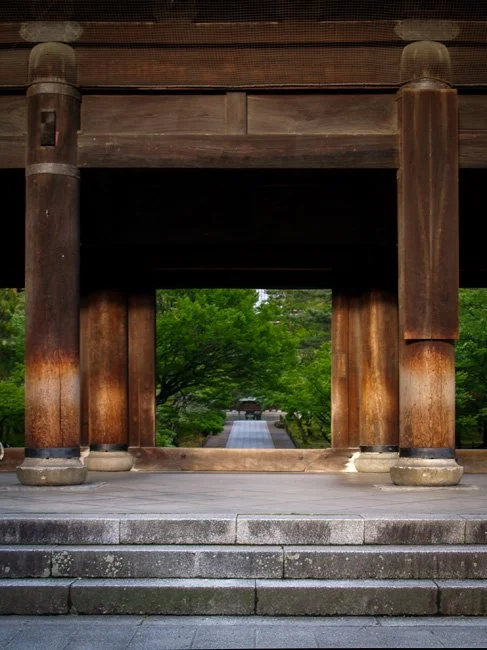
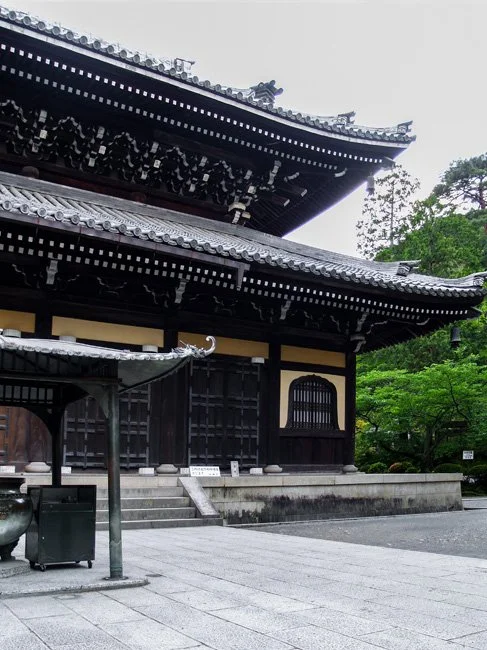
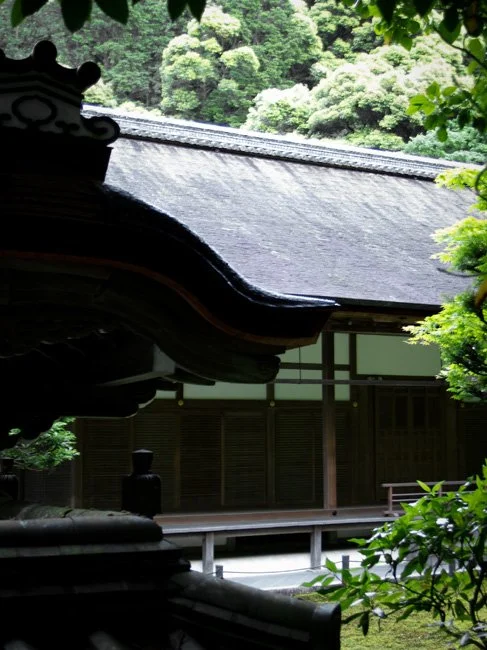
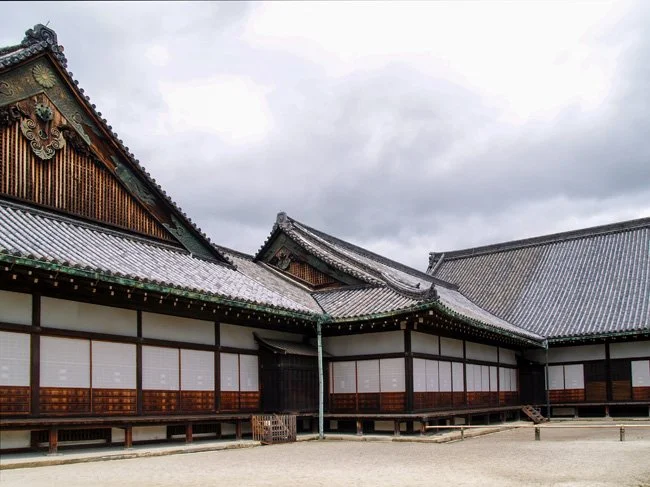
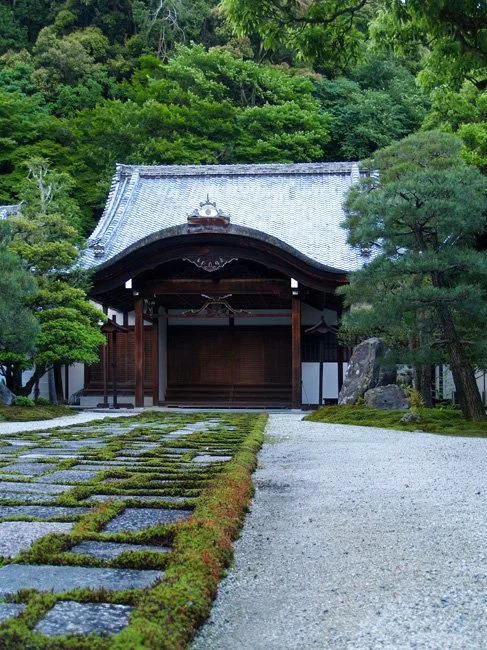
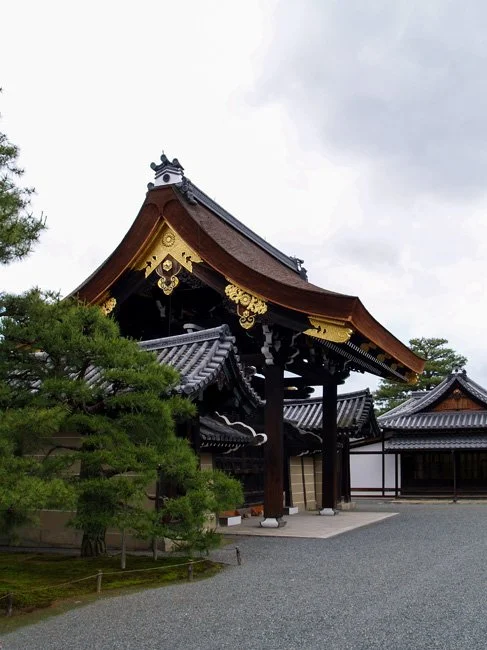
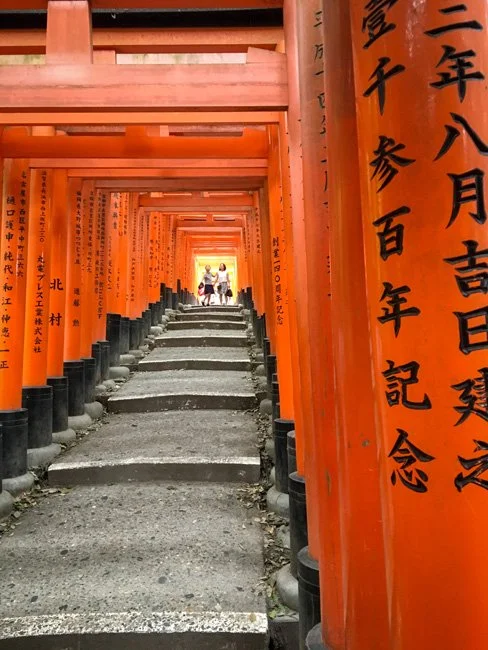
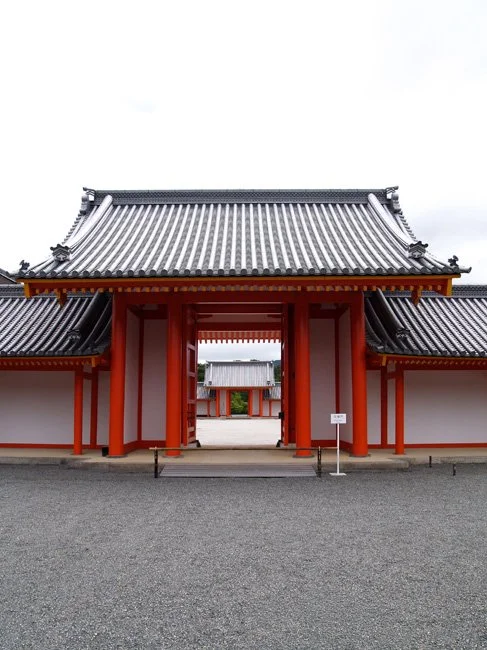
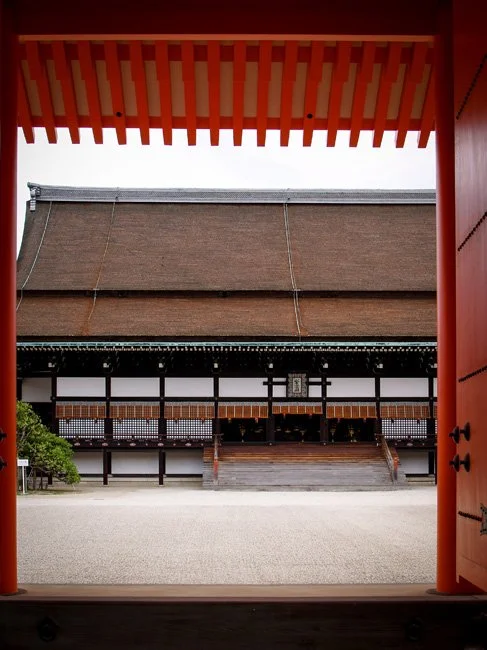
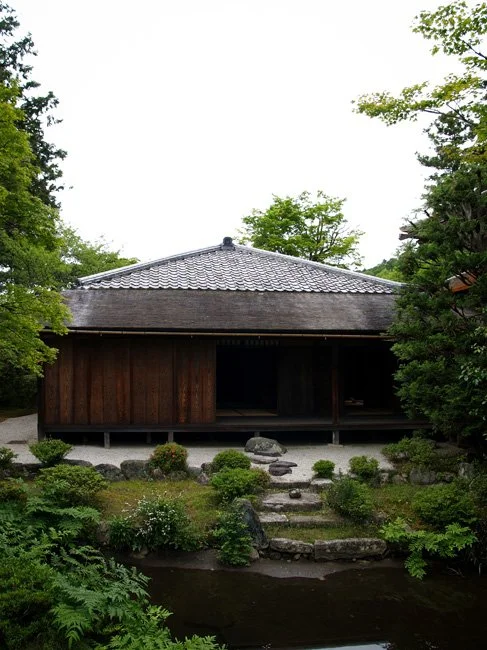
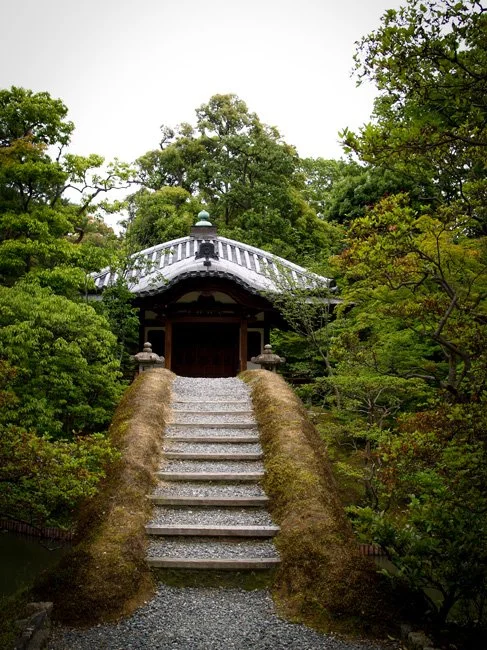
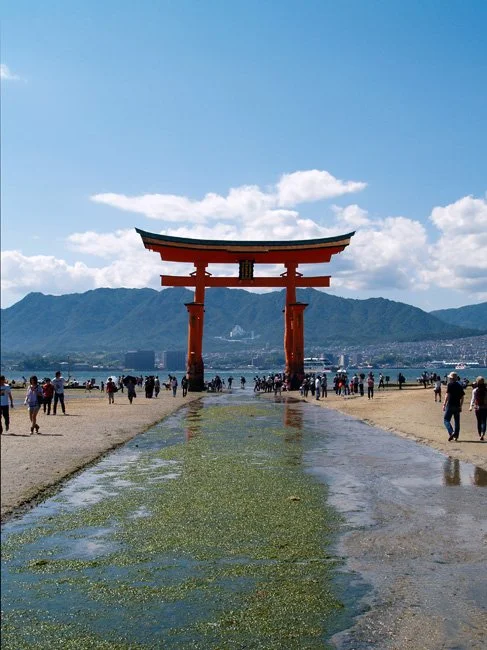
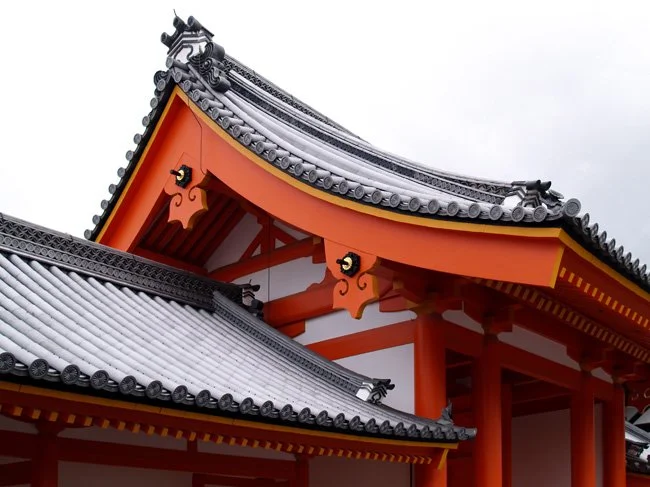
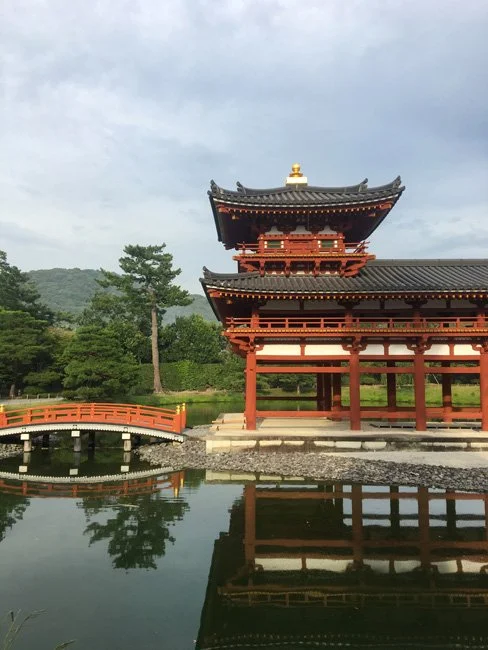
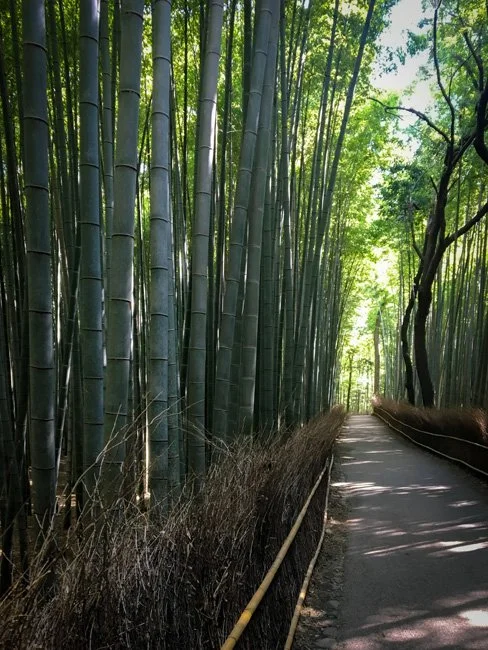
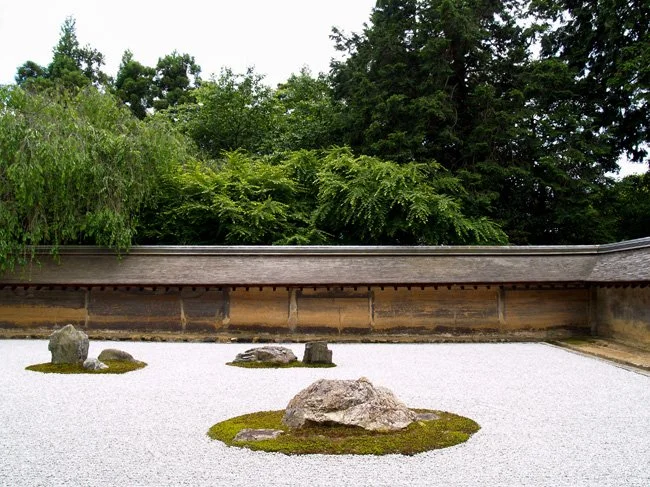
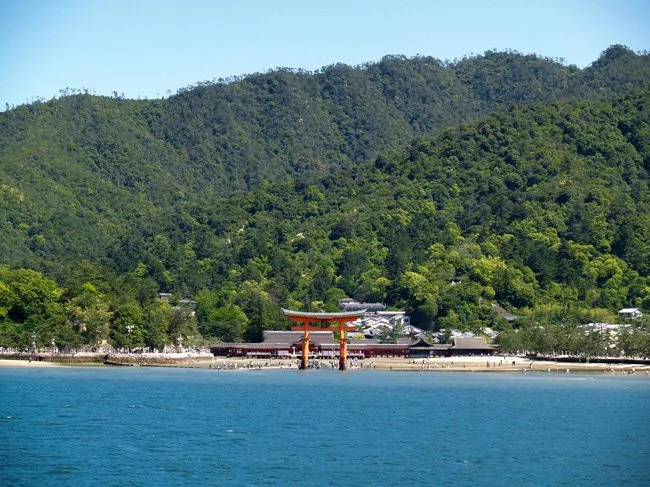
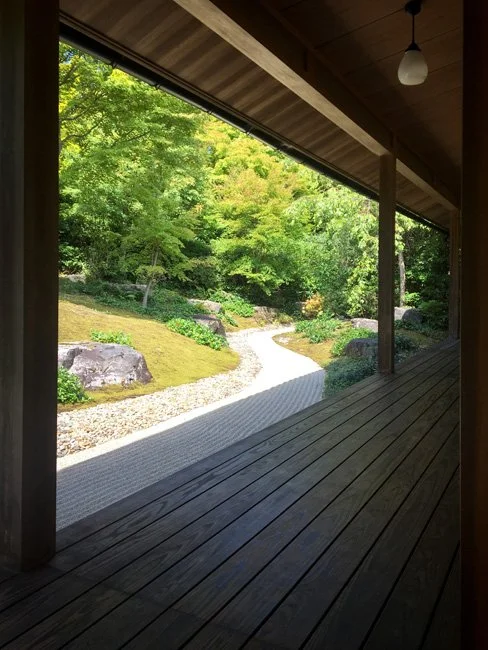
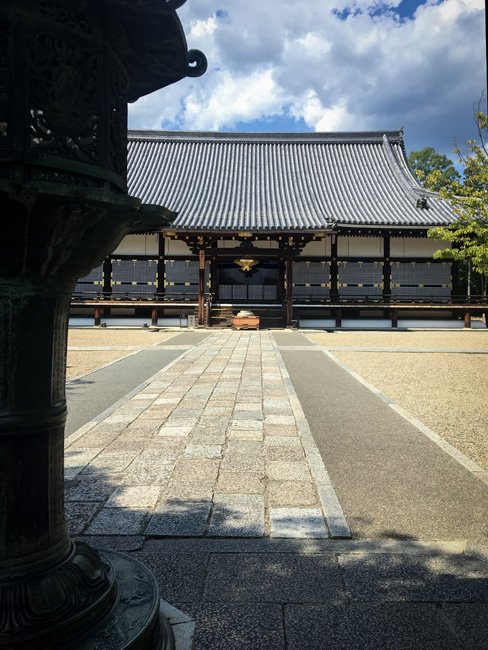
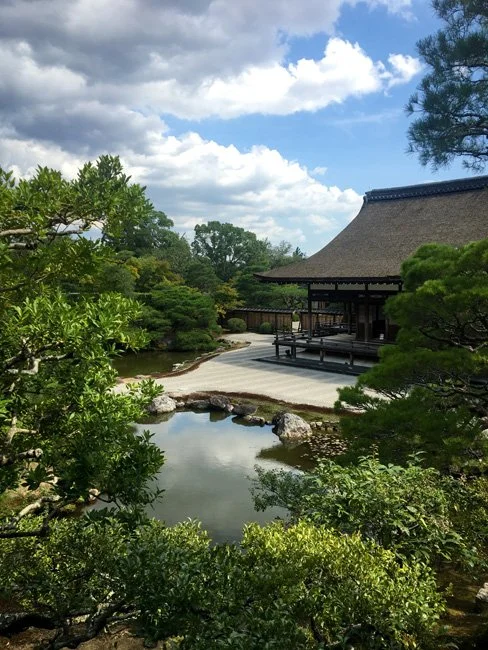
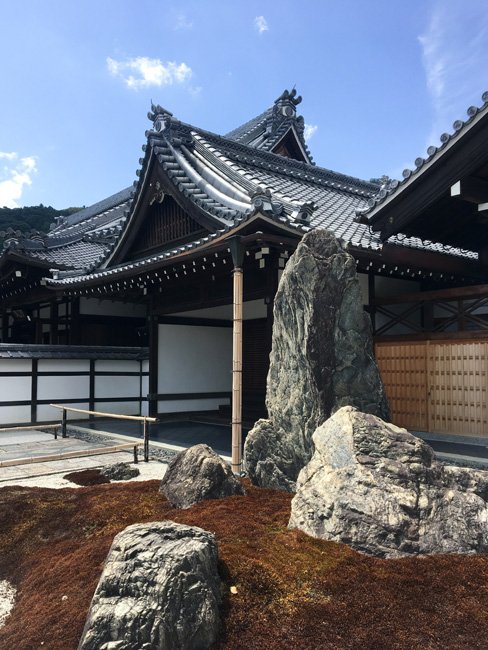
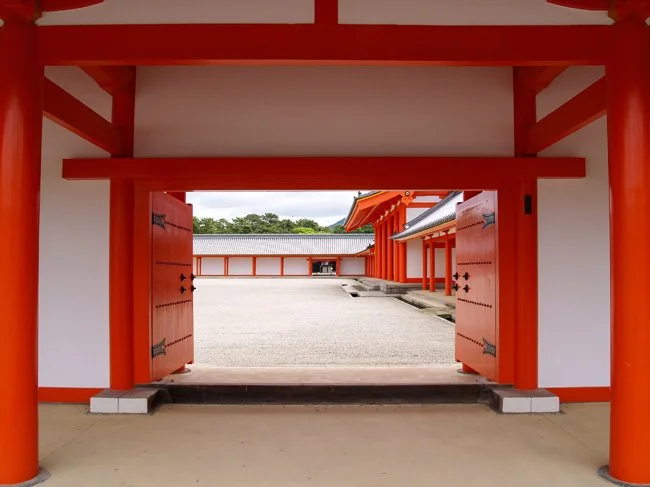
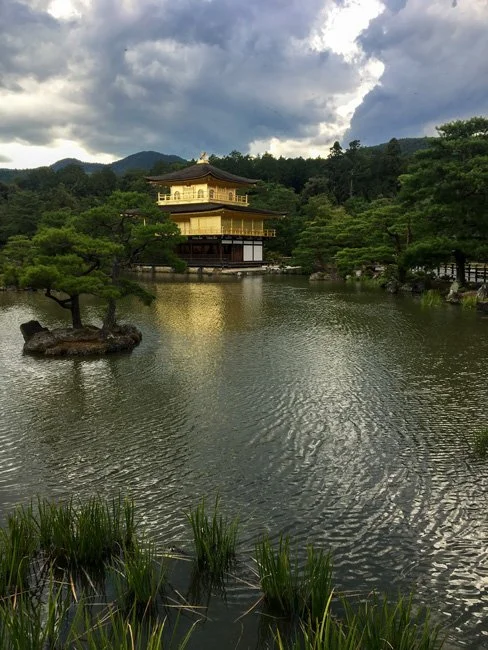
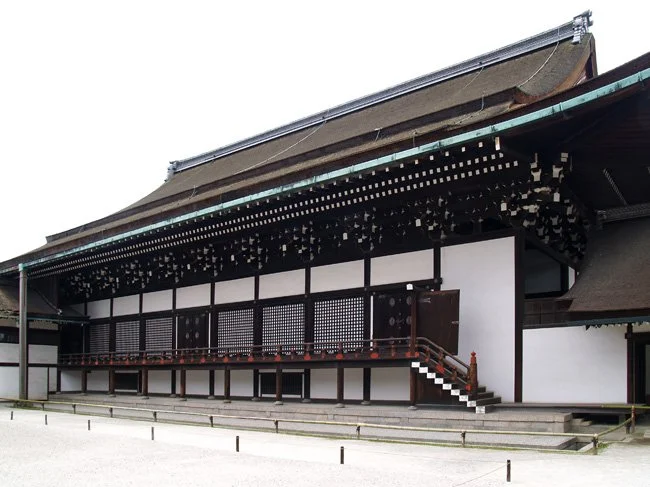
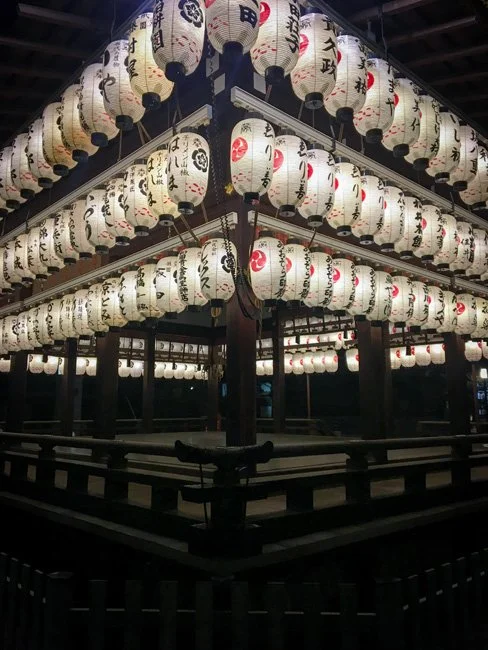
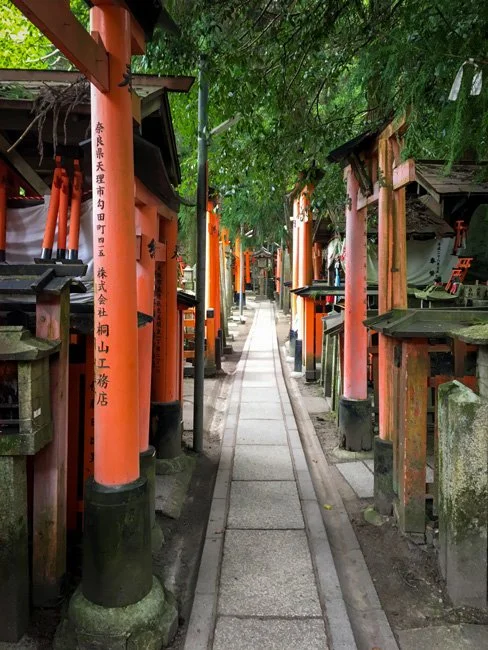
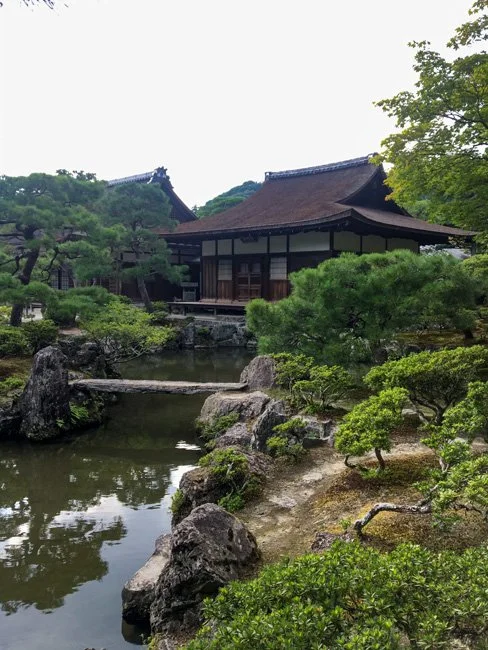
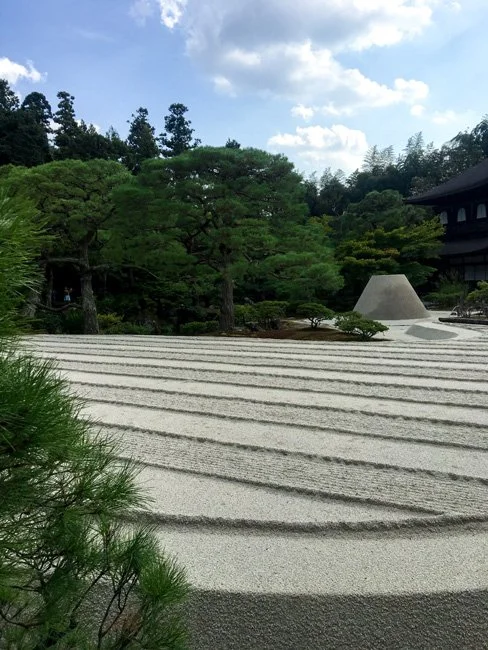
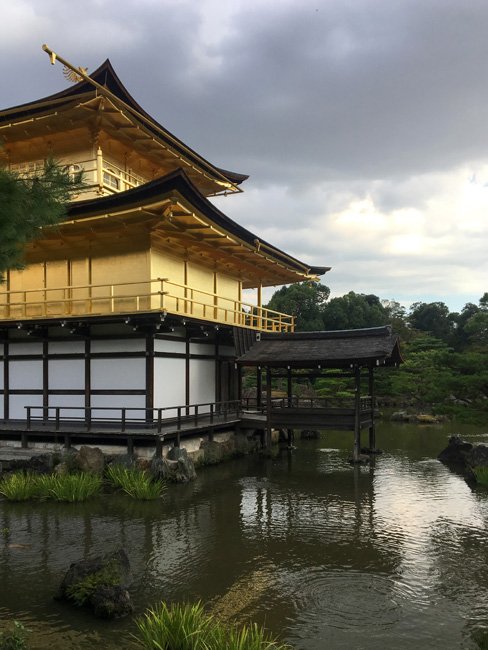
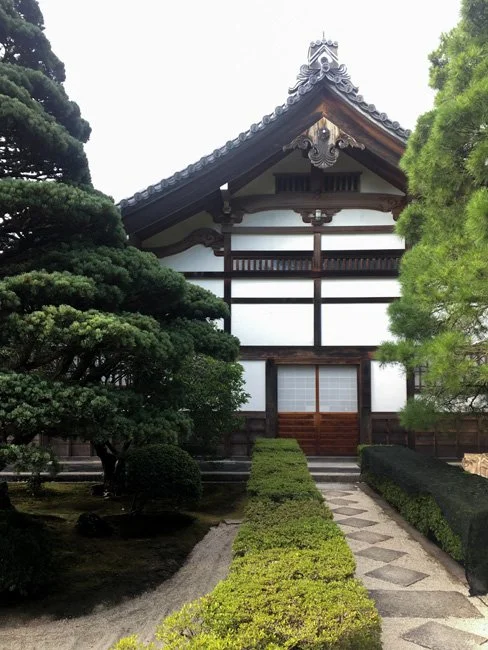
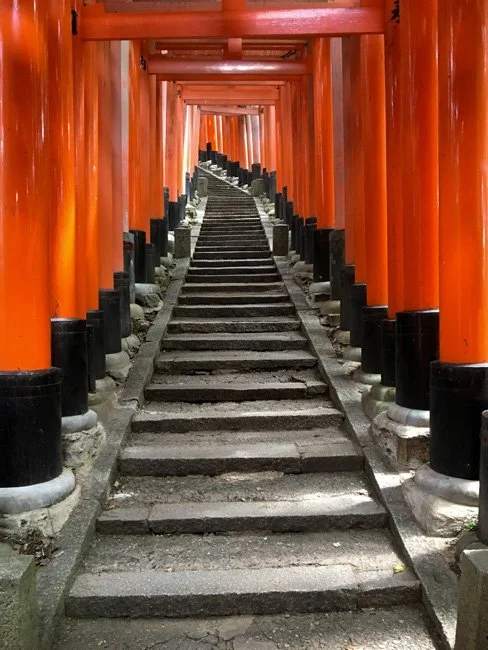
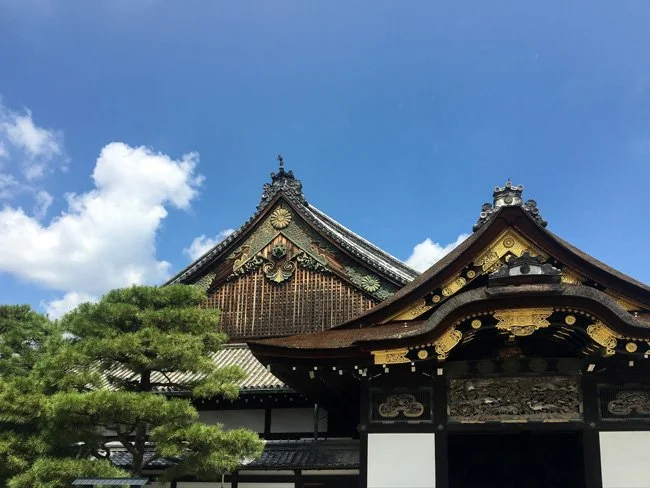
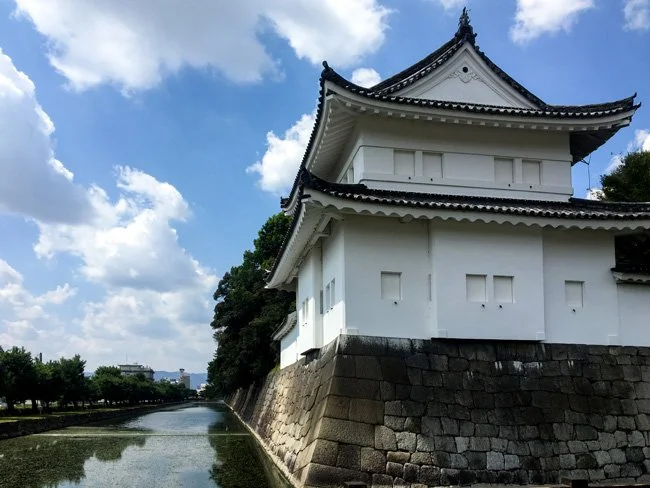
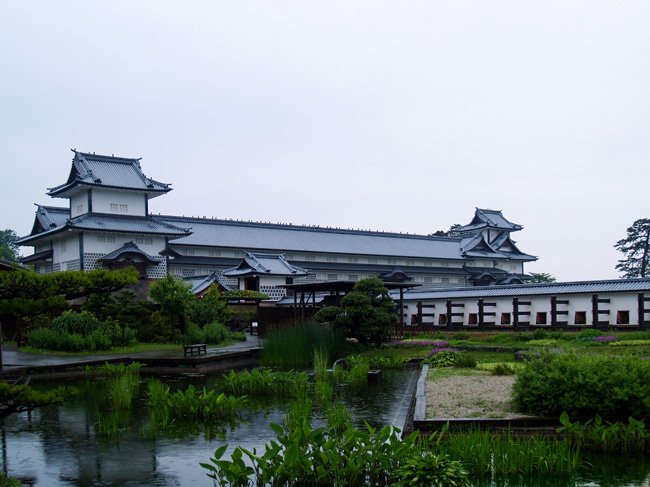
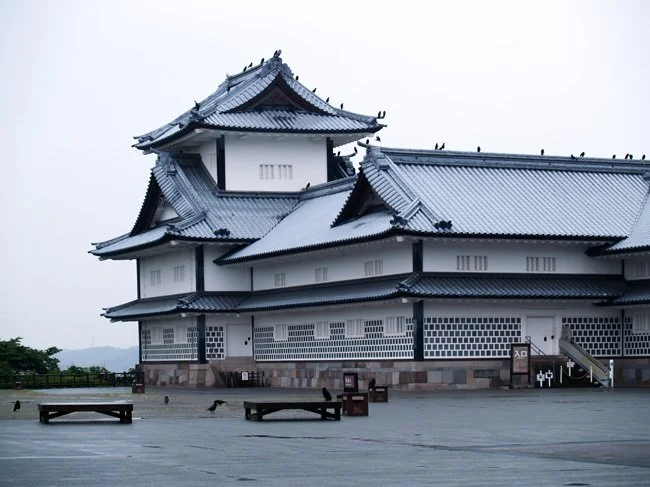
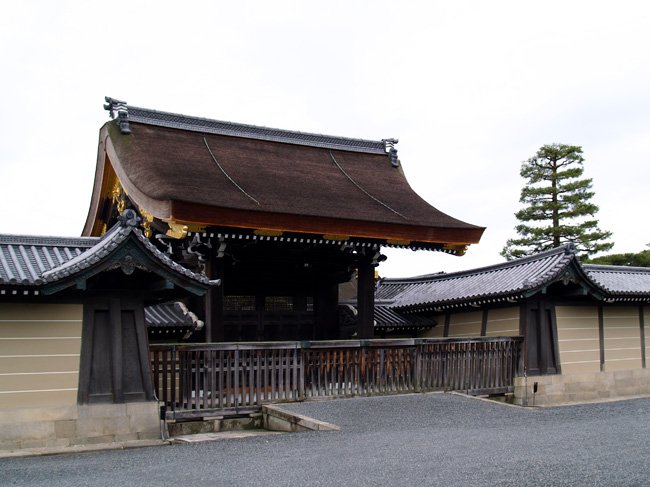
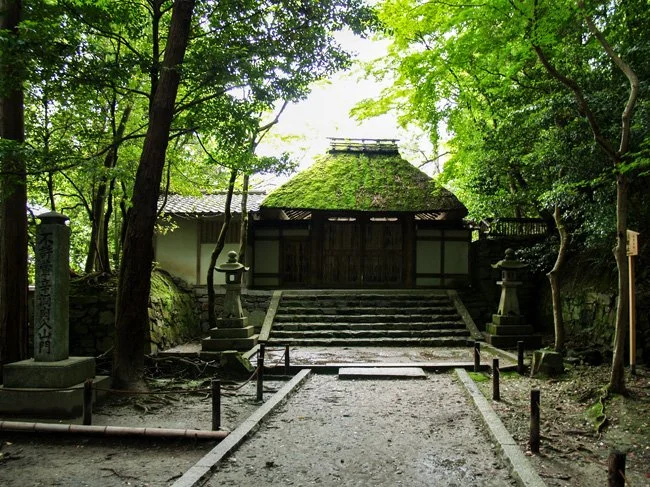
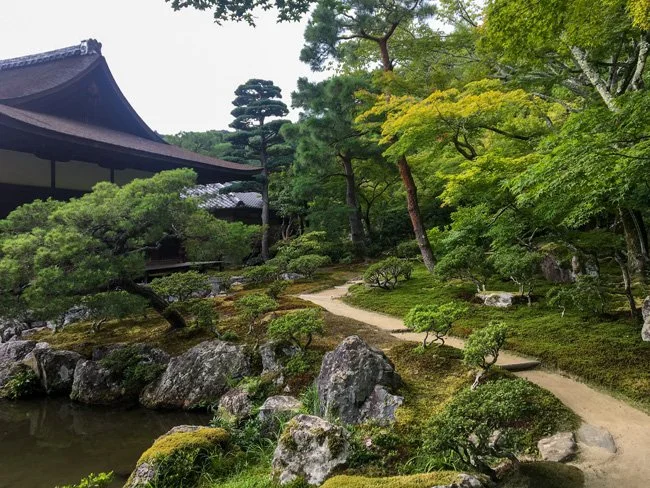
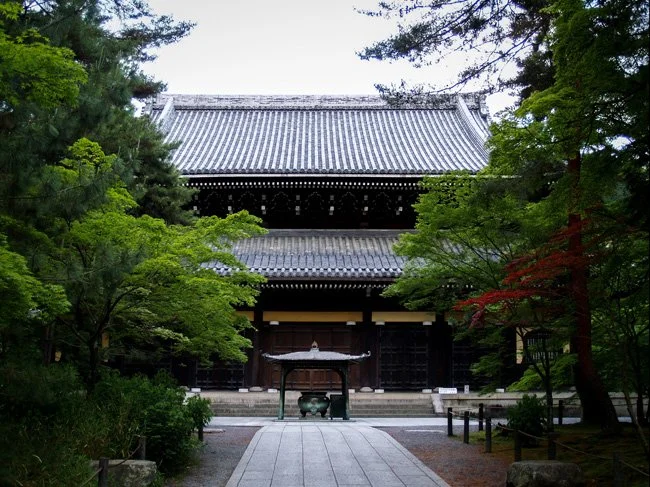
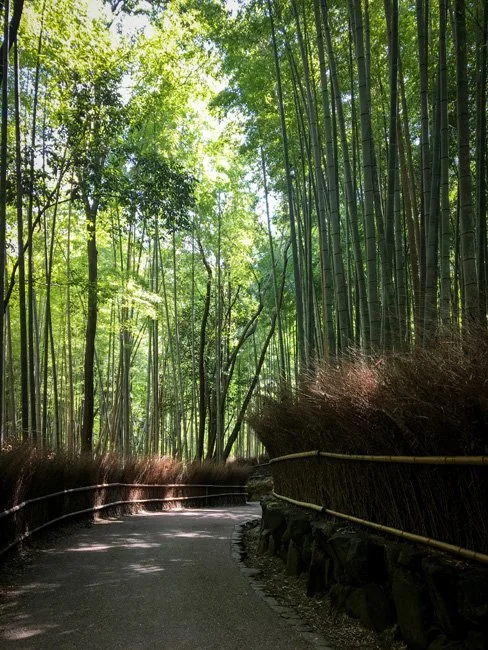
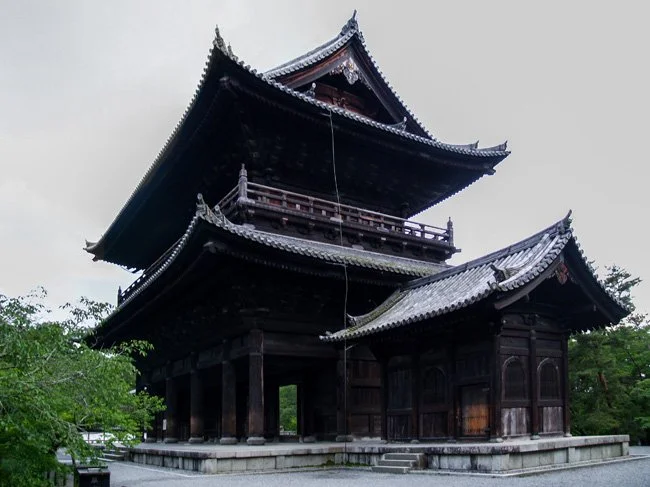
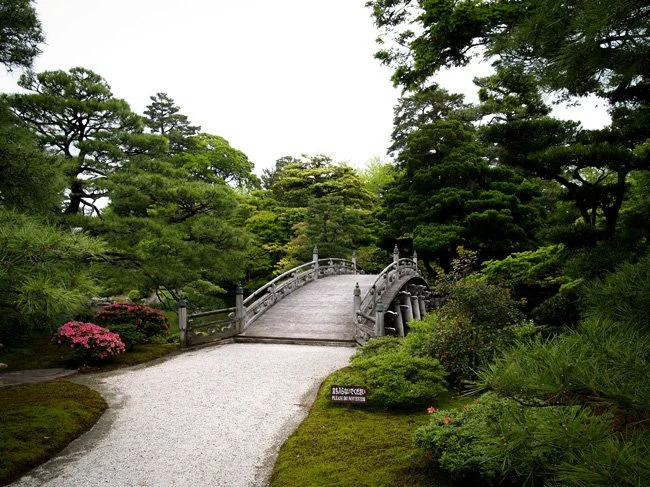
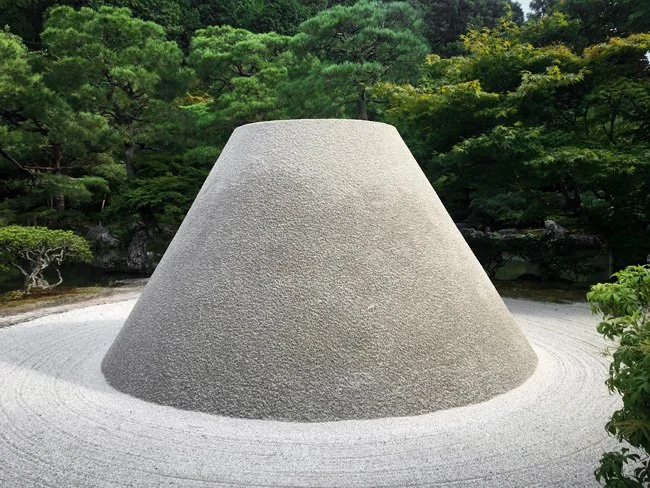
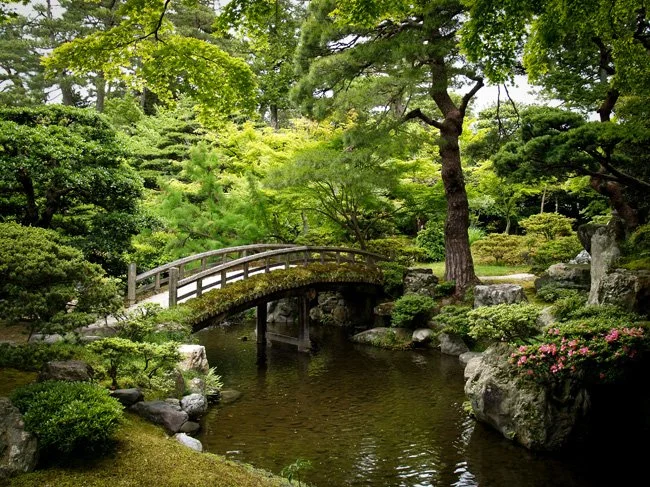
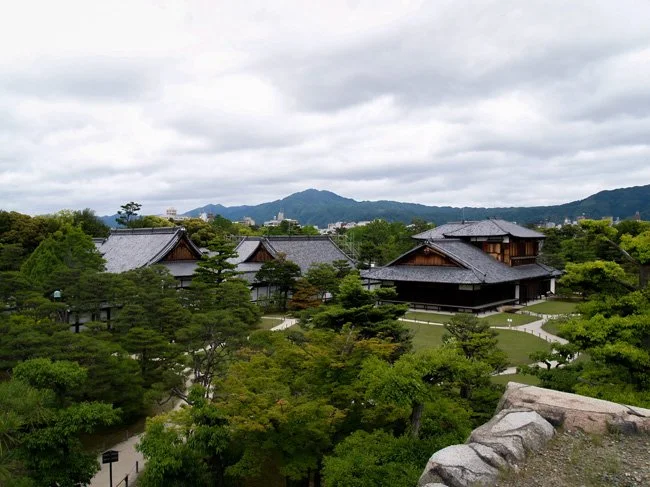
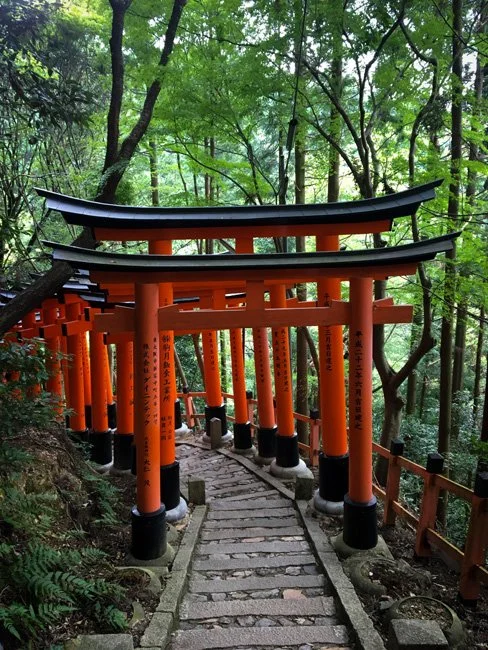
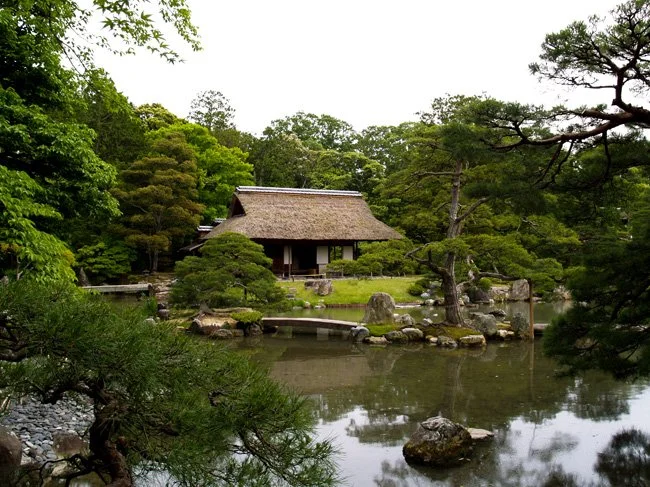
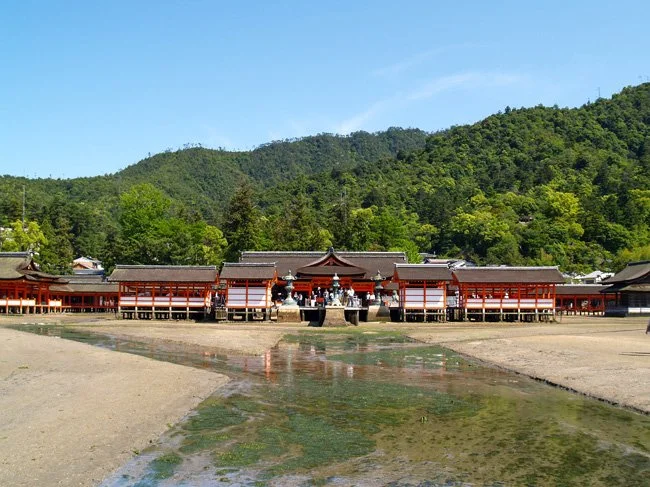
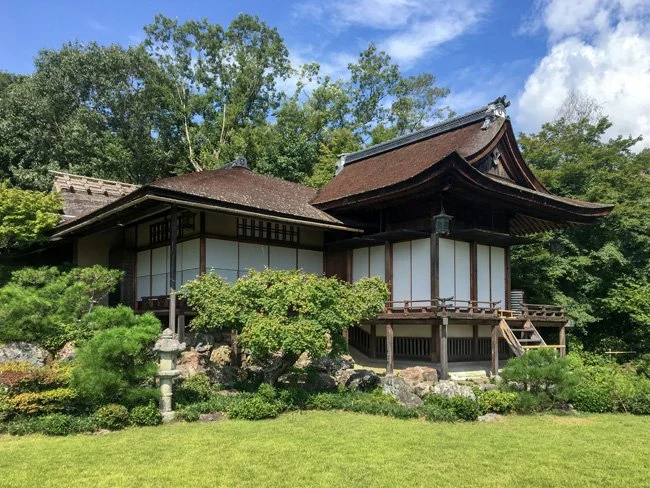
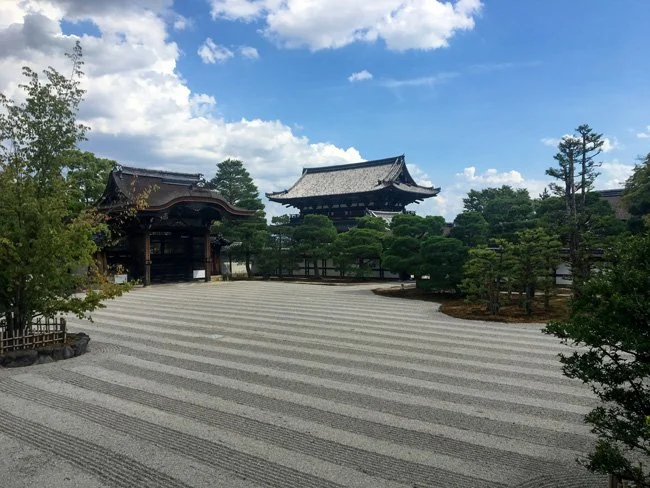
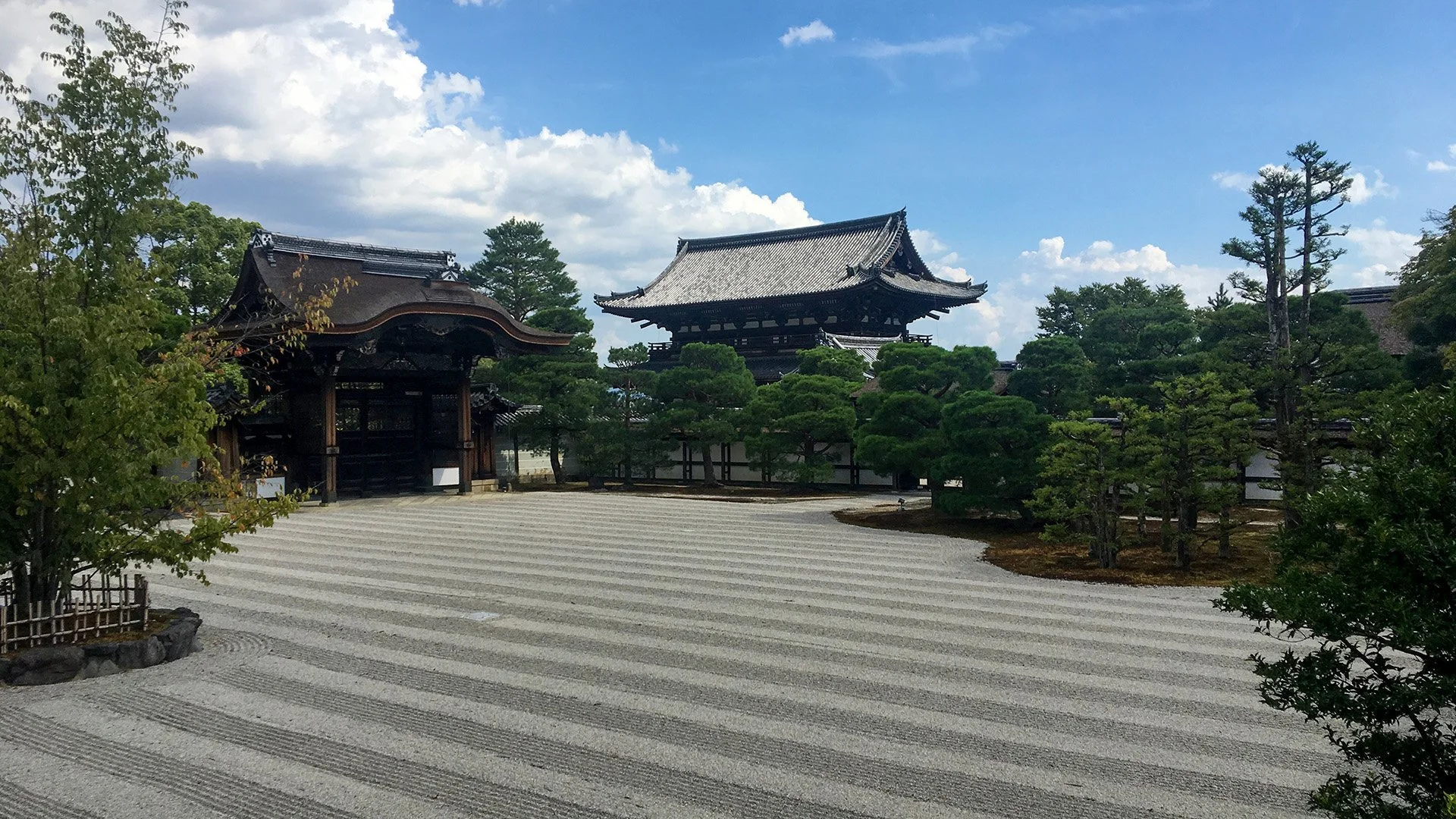
Traditional Japanese architecture is characterized by a close relationship to nature, flexible spatial organization, and refined craftsmanship. Buildings are often constructed with timber frames, raised floors, and tiled or thatched roofs, allowing structures to respond to climate and seismic conditions. Interiors rely on modular tatami mats to determine proportion, while sliding screens such as shoji and fusuma enable spaces to be reconfigured easily. Engawa verandas create a gradual transition between indoors and outdoors. Rather than heavy ornament, emphasis is placed on material texture, light, and shadow. Gardens, courtyards, and framed views are integral, shaping a holistic environment that balances simplicity, functionality, and aesthetic restraint. This map includes architectural sites, gardens, and historic neighborhoods.
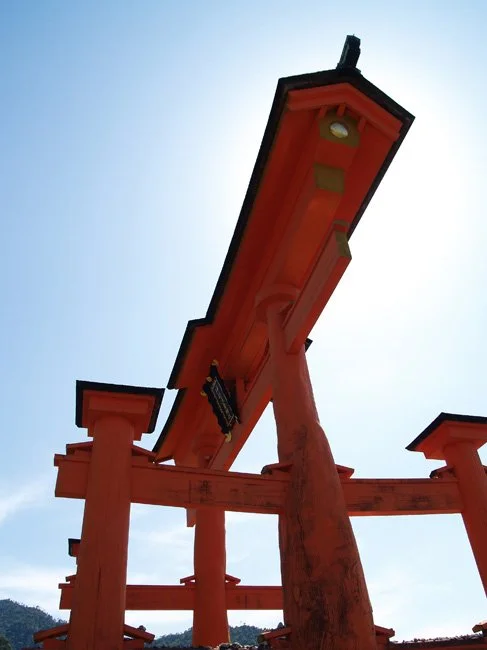
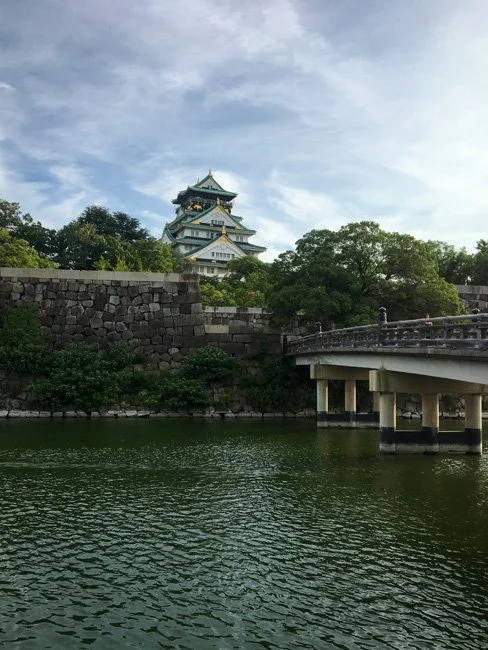
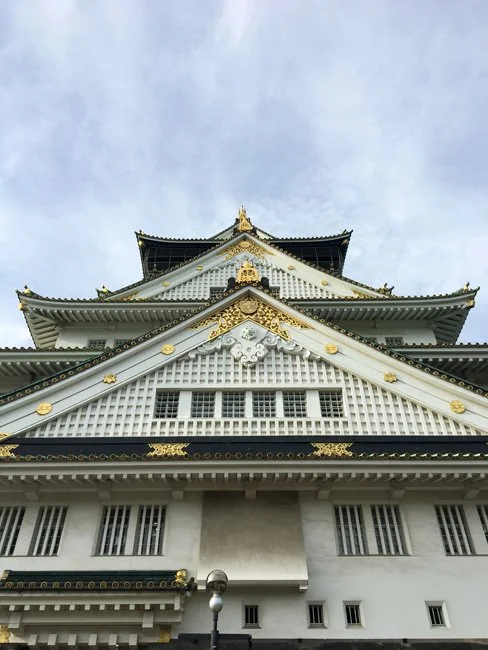
While this site is dedicated to modern and contemporary movements, there are a tremendous number of historic and traditional sites across Japan that should be seen. It is important to keep in mind that many of these sites are important religious sites and should be respected. Access may be restricted. Due to their timber construction some of these locations have been damaged or destroyed by fire or war and subsequently rebuilt.
NOTES:
THE MAP: