Isamu Noguchi
ABOUT THE ARTIST
Isamu Noguchi (1904–1988) was a Japanese American artist and designer known for his innovative sculptures, public works, and functional design objects. Blending Eastern and Western aesthetics, his work spans stone, metal, wood, and paper, reflecting themes of harmony, nature, and abstraction. Noguchi studied with Constantin Brâncuși and was influenced by modernism, Japanese art, and architecture. He created everything from landscape gardens and playgrounds to stage sets and iconic furniture, such as the Noguchi coffee table and Akari light sculptures. Deeply committed to social and artistic integration, Noguchi’s legacy bridges art and design, emphasizing space, form, and human interaction.
PROJECTS:
ADDRESS:
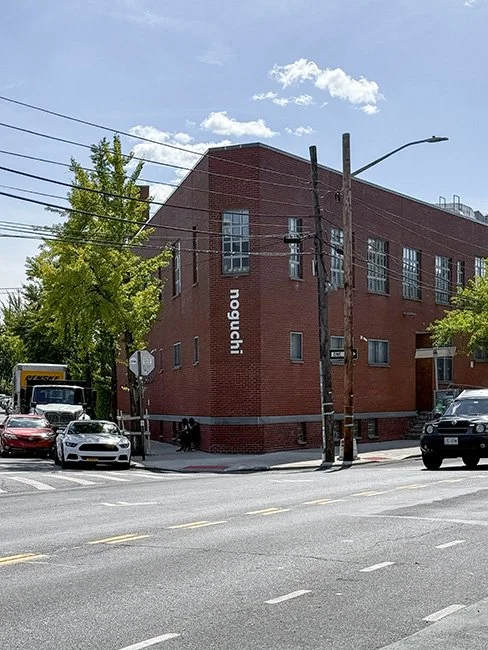
9-01 33rd Rd. Astoria, NY 11106
ACCESS:
General Admission $16 | Seniors (65+) $6 | Students $6
DISCRIPTION:
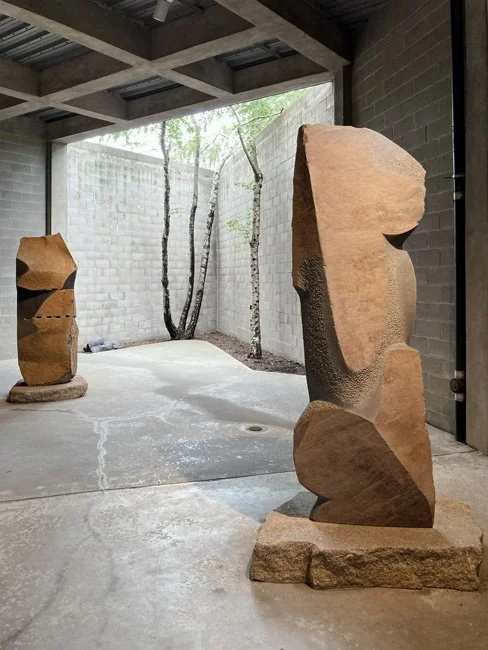
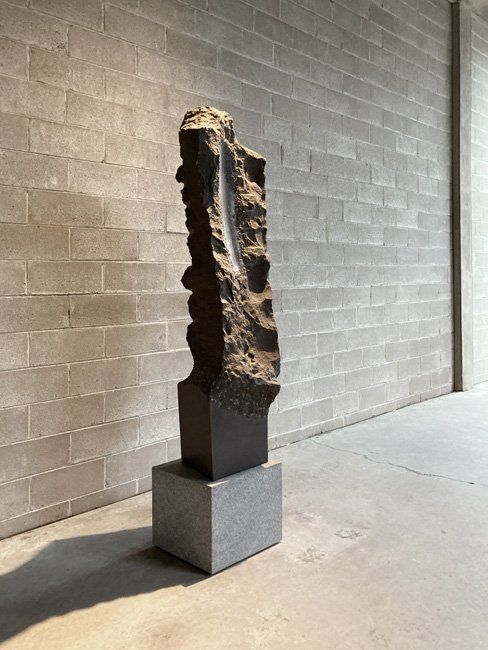
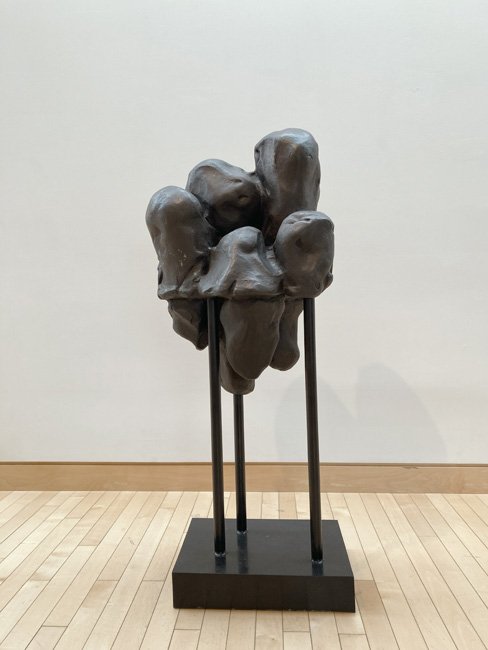
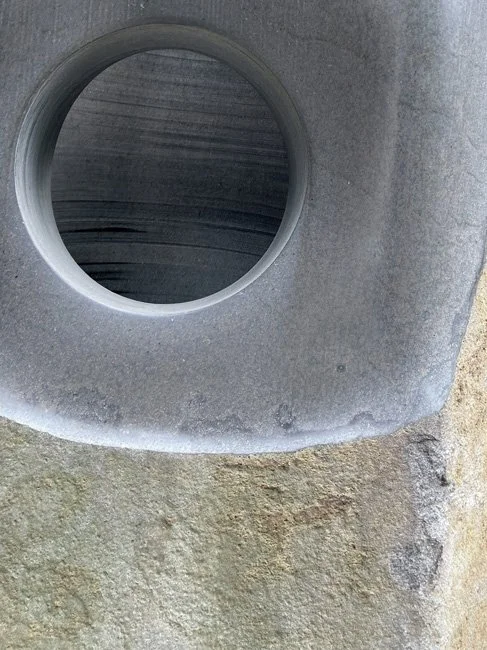
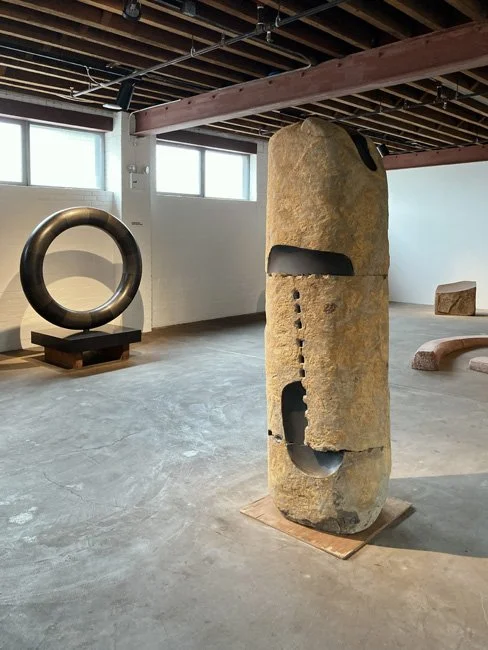
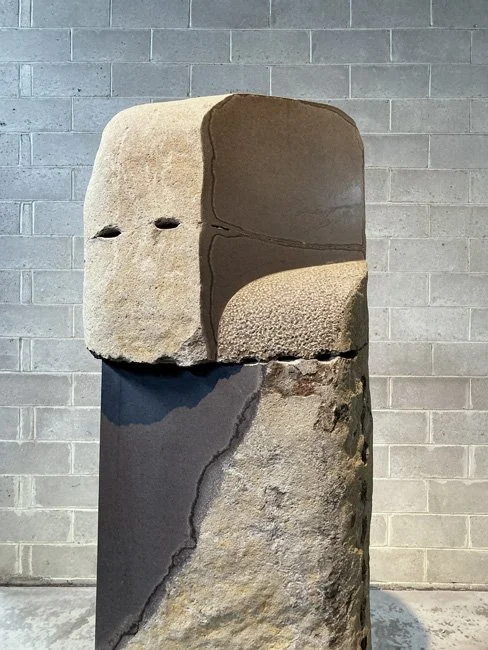
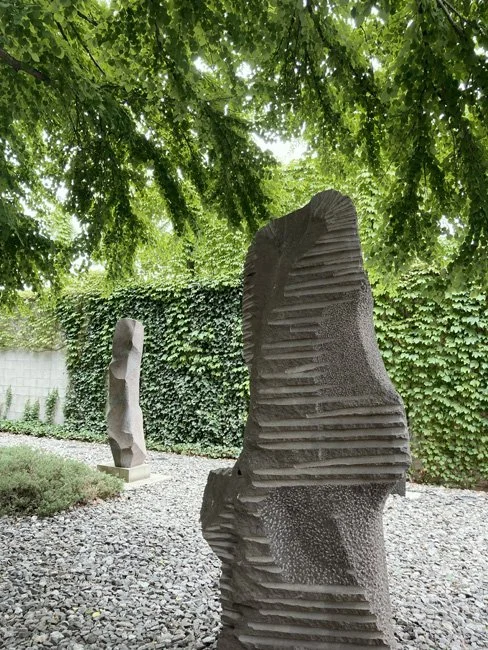
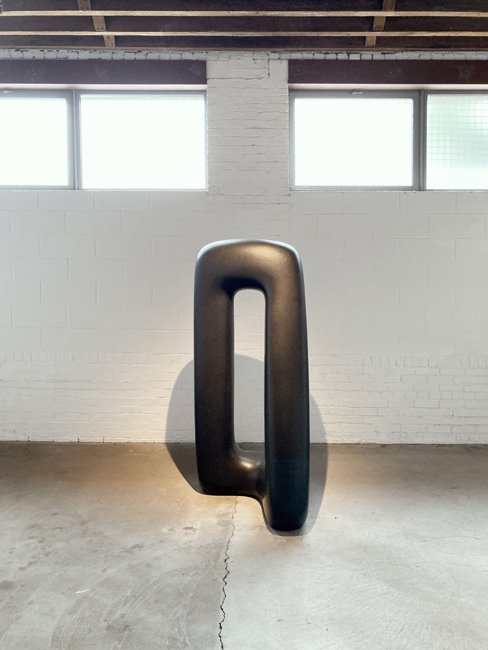
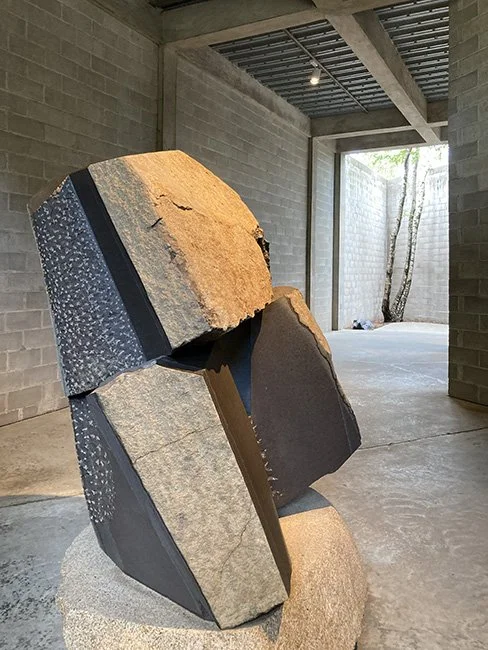
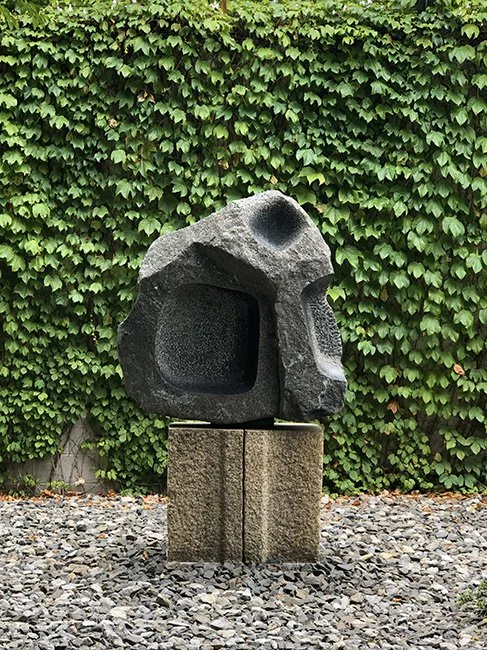
The Noguchi Museum in Queens showcases the work of artist Isamu Noguchi, featuring sculptures, models, and lighting designs. Set in a tranquil indoor-outdoor space, it reflects Noguchi’s vision of harmony between art, nature, and the built environment. Through its thoughtfully orchestrated architecture and collection, the Noguchi Museum remains a serene, immersive environment dedicated to celebrating art in harmony with nature, space, and light—a true embodiment of Noguchi’s artistic philosophy.
HOURS:
Wednesday - Sunday 11am - 6pm
NOTES:
While in the area you should venture over to the Socrates Sculpture Park nearby. If you haven’t had your fill of sculpture be sure to visit SculptureCenter and MoMA PS1 nearby in Long Island City.
ADDRESS:
140 Broadway, New York 10006
ACCESS:
FREE: Public Plaza with unrestricted hours
DISCRIPTION:
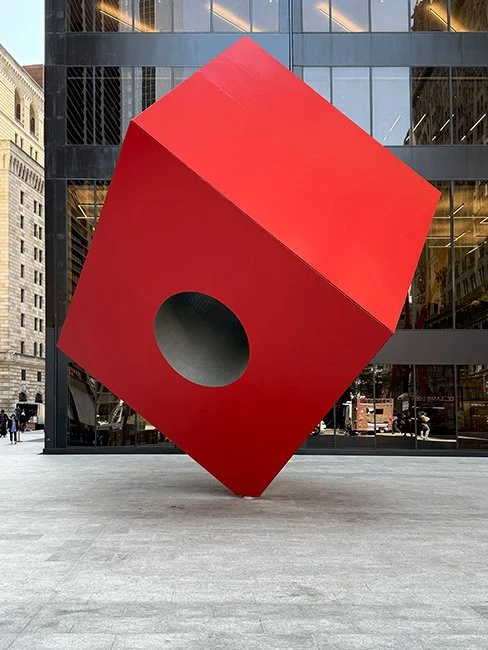
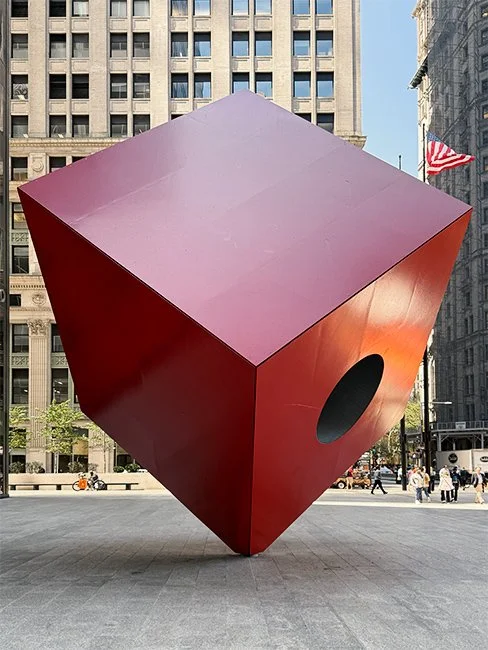
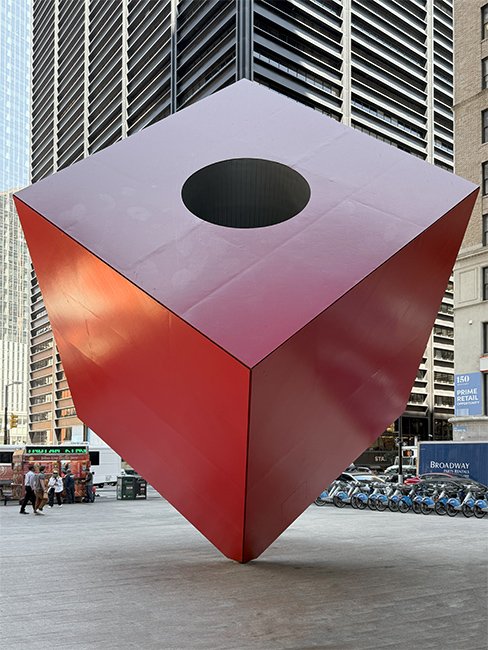
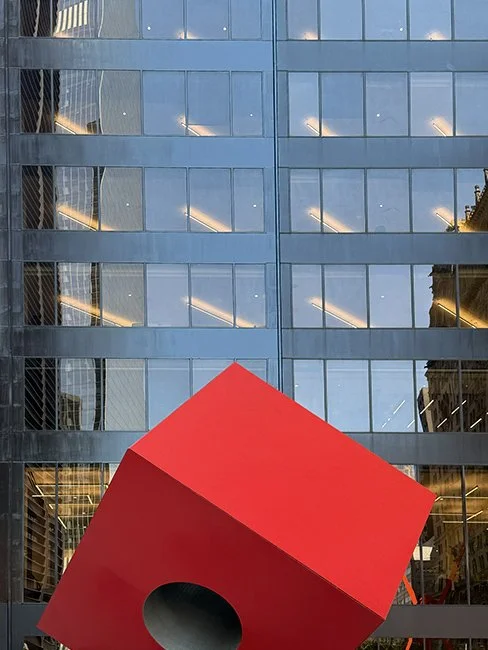
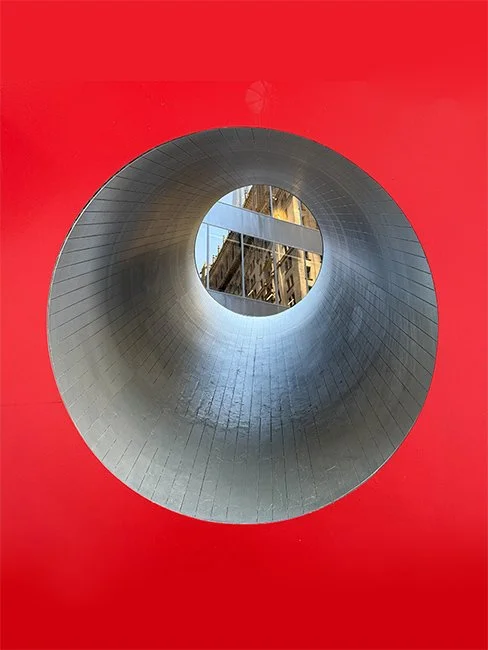
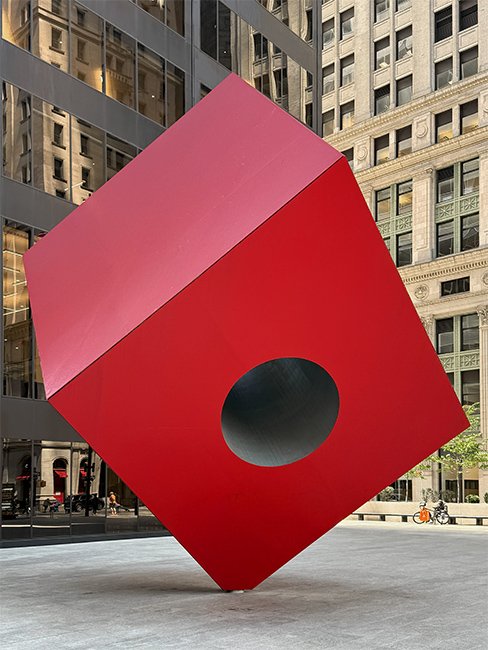
Isamu Noguchi's Red Cube is a bold, modernist sculpture installed in 1968 in front of 140 Broadway in New York City’s Financial District. The bright red, tilted cube stands 28 feet tall and rests on one corner, creating a striking contrast with the surrounding rectilinear architecture. A circular hole through its center draws the eye and adds visual depth, symbolizing openness amid rigidity. Noguchi intended the sculpture to energize the plaza and reflect the dynamic nature of urban life. Red Cube remains a powerful example of public art that blends geometry, color, and space to provoke thought and engagement.
NOTES:
140 Broadway is architecturally significant as well, designed by Gordon Bunshaft of SOM. “Joie de Vivre” by Mark di Suvero is directly across the street in Zuccotti Park, and “Group of Four Trees” by Jean Duboffet is only 1 block away. The Financial District is home to many temporary and permanent public works of art. Walk in any direction and you’re bound to find something wonderful.
ADDRESS:
5th Ave and 80th St, New York, NY 10028
ACCESS:
FREE: outside the museum on the south-eastern corner, accessible 24/7
DISCRIPTION:
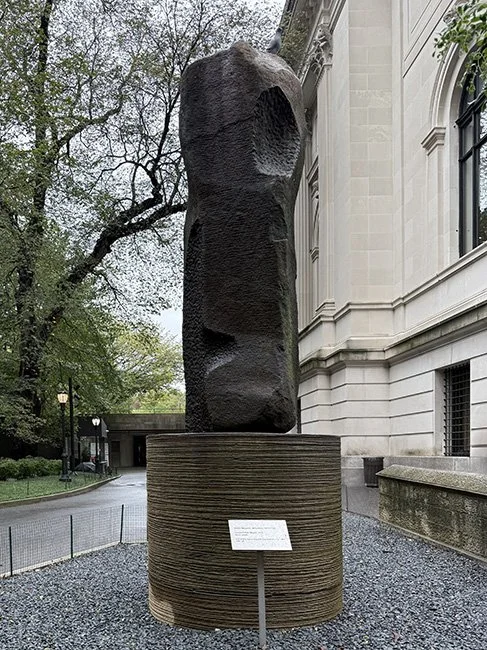
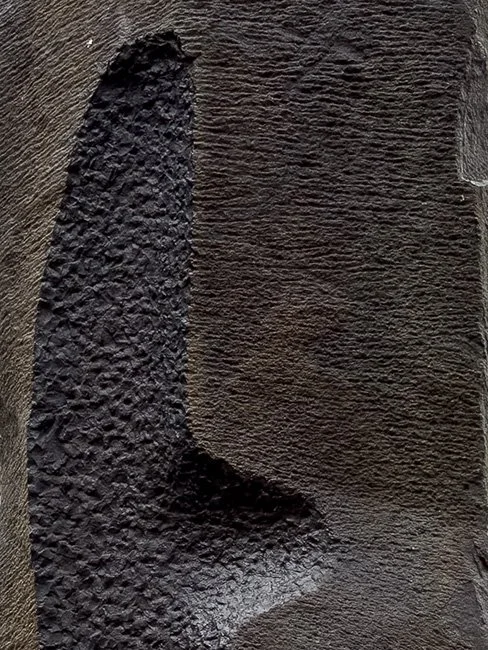
Isamu Noguchi’s Unidentified Object, a stone sculpture at the Metropolitan Museum of Art, embodies his interest in organic abstraction and the expressive qualities of natural materials. Carved from a single block of stone, it features smooth, curving forms that appear simultaneously ancient and modern. The work resists clear interpretation, instead inviting viewers to consider ideas of transformation, balance, and timelessness. By shaping stone into a form that feels both familiar and mysterious, Noguchi highlights the dialogue between human intention and the inherent character of the material, turning simplicity into a profound sculptural meditation.
NOTES:
Tucked behind a waist high wall outside the Met, this sculpture can easily be overlooked due to it’s location. If you walk around the back of the museum you will also find a 3500 year old Egyptian obelisk referred to as Cleopatra’s Needle.


ADDRESS:
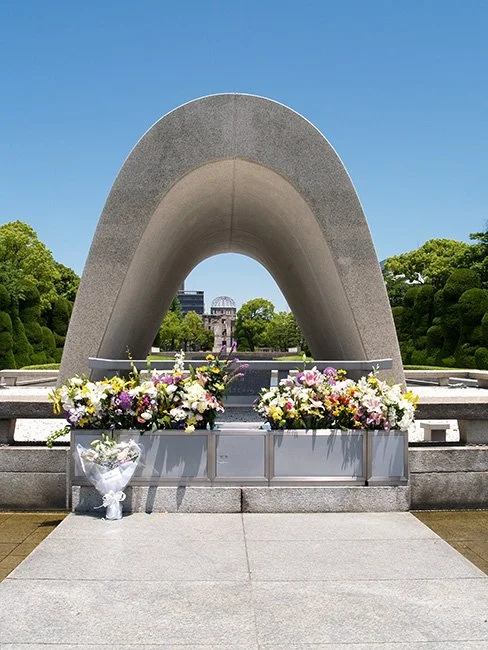
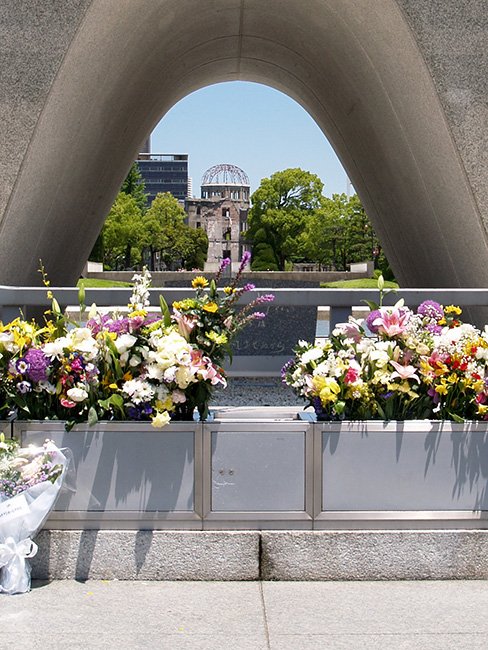
1-2 Nakajimachō, Naka Ward, Hiroshima, 730-0811, Japan
ACCESS:
FREE: The park is free and accessible to the public.
DISCRIPTION:
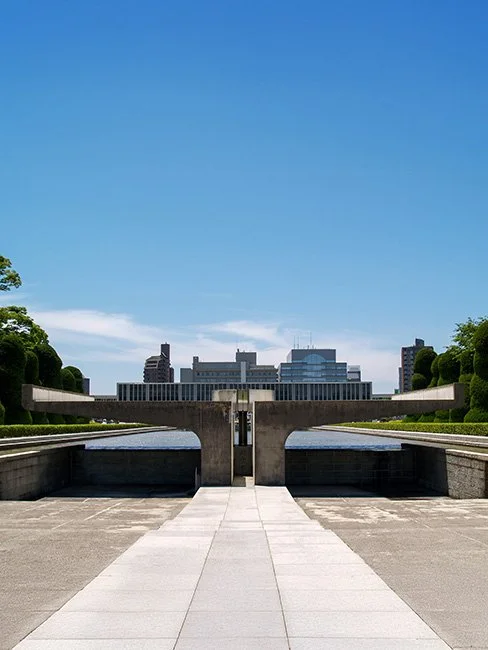
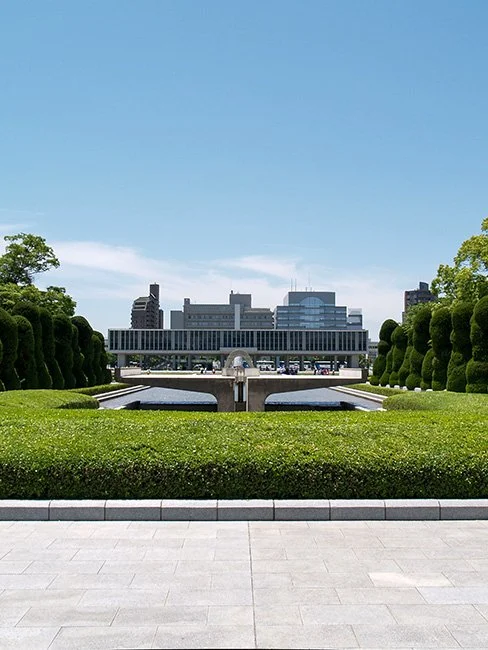
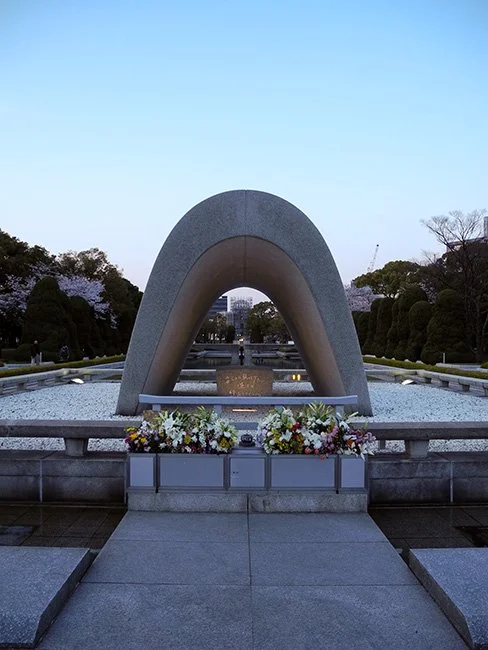
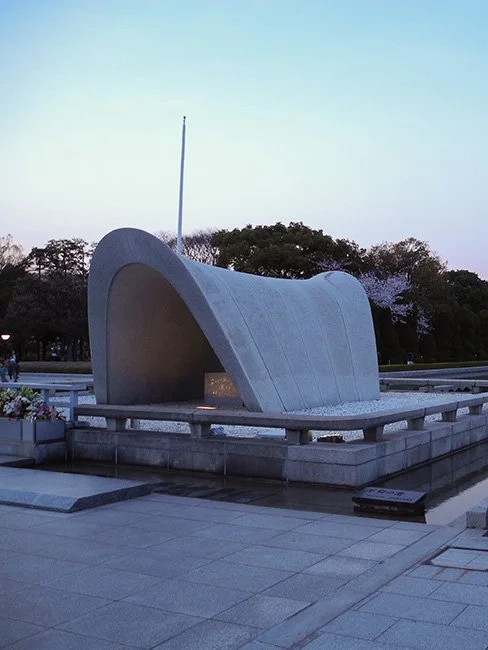
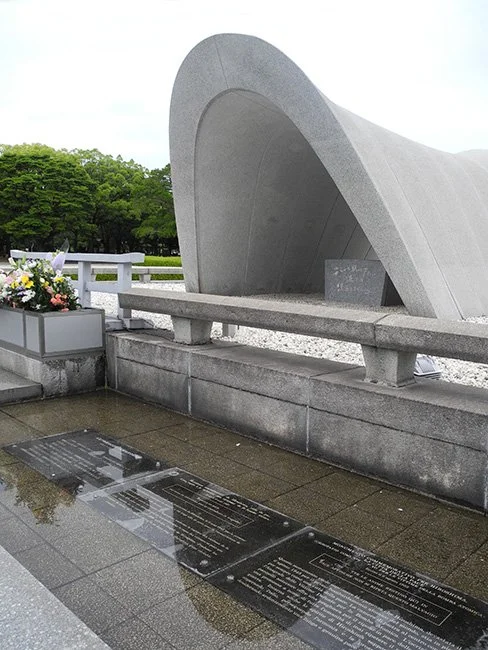
Isamu Noguchi’s contribution to Hiroshima’s Peace Memorial legacy centers on sculptural remembrance rather than conventional architecture. His memorial design emphasized quiet reflection through abstract form, avoiding literal imagery of war or destruction. Working with stone and restrained geometry, Noguchi sought to create a space that expressed mourning, resilience, and hope at the same time. The monument was conceived to be experienced physically and emotionally, inviting visitors to pause, touch, and contemplate rather than simply observe. Its low profile and human scale reinforce a sense of humility, placing collective memory above heroic symbolism. Noguchi’s approach aligned modernist abstraction with spiritual depth, drawing from both Japanese aesthetics and international sculpture. By focusing on timeless materials and simple forms, his memorial work in Hiroshima contributes to the broader Peace Memorial landscape as a subtle yet enduring expression of loss, remembrance, and the desire for lasting peace.
NOTES:
The atomic dome site is located across the bridge on the northern end of the park. The museum is located on the southern end of the park, and the main memorial is in the center of the park along the main access. Noguchi also created the peace bridges that connect the memorial park to the surrounding city.
IMAGE CREDIT:
Images (1-4) WROT (5-7) John Seb Barber